


- Introduction
- What Is Thai Wellness?
- Core Principles Of Thai Wellness
- Thai Massage And Bodywork
- Breathing, Meditation, And Natural Relaxation
- Simple Morning Routine For Thai Wellness
- Thai Herbs And Aromatherapy
- Simple Thai Wellness Habits For Everyday Life
- How To Start Your Thai Wellness Routine
- Safety Tips Before Trying Thai Wellness Practices
- Conclusion
- FAQ
- What is Thai wellness?
- Is Thai wellness good for beginners?
- What should I expect from Thai massage?
- Can I practice Thai wellness at home?
- Is Thai wellness safe for everyone?
- How often should I get Thai massage?
- What Thai herbs are commonly used in wellness?
- How can busy people start Thai wellness?
- Do I need special equipment for Thai wellness?
- Can Thai wellness help with stress?
Introduction
Thai wellSimple Guide To Thai Wellness For Beginners
Thai wellness is a gentle and holistic approach to everyday wellbeing. It combines traditional Thai massage, mindful breathing, gentle stretching, herbal practices, relaxation, and simple lifestyle habits that support balance in the body and mind.
For beginners, Thai wellness does not need to be complicated. You do not need to visit a spa every week, follow an advanced yoga routine, or buy many special products. You can start with small habits such as drinking water in the morning, practicing slow breathing, stretching gently, using calming herbal aromas, or booking a Thai massage when your body feels tense.
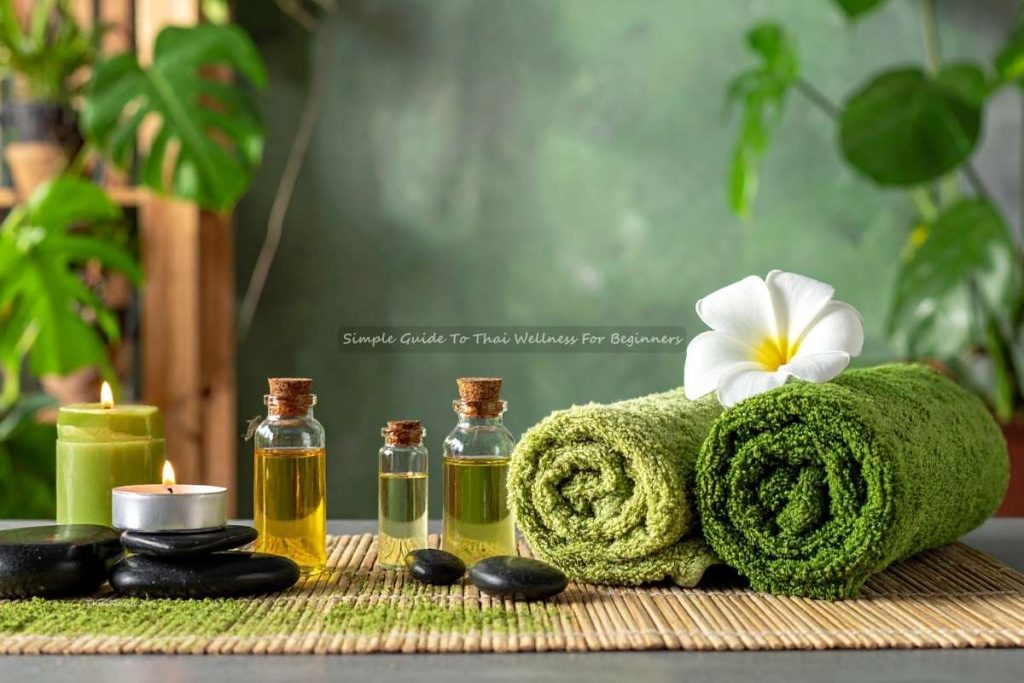
The purpose of Thai wellness is not to create a perfect routine. It is about learning how to slow down, listen to your body, and create more balance in daily life. This guide explains the basics of Thai wellness and shows how beginners can bring simple Thai-inspired wellness practices into their everyday routine.
👉 “If you want a deeper wellness experience, you may also enjoy learning what to expect from Wellness Retreats in Thailand.”
What Is Thai Wellness?
Thai wellness is based on the idea of balance. It focuses on caring for the body, calming the mind, and creating a more peaceful daily rhythm. In Thailand, wellness is often connected with massage, herbs, food, rest, movement, spirituality, and natural self-care.
Traditional Thai wellness may include:
- Thai massage and bodywork
- Gentle stretching
- Breathing exercises
- Meditation and mindfulness
- Herbal teas and natural ingredients
- Aromatherapy and herbal oils
- Steam, warm compresses, or herbal baths
- Rest, hydration, and healthy daily habits
Unlike quick-fix wellness trends, Thai wellness is often about slow and steady care. It is not only about solving one problem. It is about supporting the whole person: body, mind, energy, and lifestyle.
A person may use Thai wellness to relax after a stressful week, ease everyday body tension, create a calmer evening routine, or simply feel more connected to natural living. Beginners can start with one simple practice and build from there.
Core Principles Of Thai Wellness
Thai wellness is built around a few simple ideas. These principles can help you understand why Thai wellness is not only about massage, but also about lifestyle and daily balance.
Balance
Balance is one of the most important ideas in Thai wellness. This can mean balance between rest and movement, work and relaxation, body and mind, or activity and stillness.
In everyday life, many people spend long hours sitting, working on screens, rushing between tasks, or carrying stress in the body. Thai wellness encourages small habits that bring the body and mind back into balance.
For beginners, balance can start with simple choices. You may stretch for five minutes after sitting for a long time, drink more water during the day, take a short walk after lunch, or rest quietly instead of scrolling on your phone before bed.
Relaxation
Relaxation is another key part of Thai wellness. Relaxation does not only mean sleeping. It can also mean giving your body and mind time to slow down during the day.
Thai massage, breathing exercises, herbal teas, warm baths, aromatherapy, and gentle stretching can all be part of a relaxing wellness routine. Even a few minutes of calm breathing can help you feel more grounded.
For beginners, relaxation should be simple. You do not need a perfect meditation room or expensive products. A quiet corner, a cup of warm tea, and a few deep breaths can be enough to begin.
Mindful Living
Thai wellness often encourages a calm and present mindset. A simple Thai phrase often connected with this attitude is “mai pen rai,” which can be understood as “don’t worry” or “let it go.”
This does not mean ignoring problems. It means learning to pause, breathe, and not carry unnecessary stress throughout the day. It is a reminder that not every small problem needs to control your mood or your body.
Mindful living can be practiced in simple ways. You can slow down while drinking tea, breathe deeply before answering a stressful message, or pay attention to how your body feels after a long day.
Consistency
Thai wellness works best when it becomes part of normal life. One massage, one herbal tea, or one breathing exercise may feel good, but regular small habits are usually more helpful over time.
This does not mean doing everything every day. It means choosing a few realistic habits that you can repeat. A beginner may start with morning hydration, gentle stretching, and one calming evening practice.
Thai Massage And Bodywork
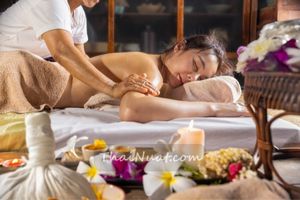
Thai massage is one of the best-known parts of Thai wellness. Traditional Thai massage, also called Nuad Thai, usually combines assisted stretching, pressure, movement, and bodywork.
A Thai massage session may help people feel more relaxed and less tense, especially after long hours of sitting, standing, working, or traveling. It is often described as a combination of massage and assisted stretching.
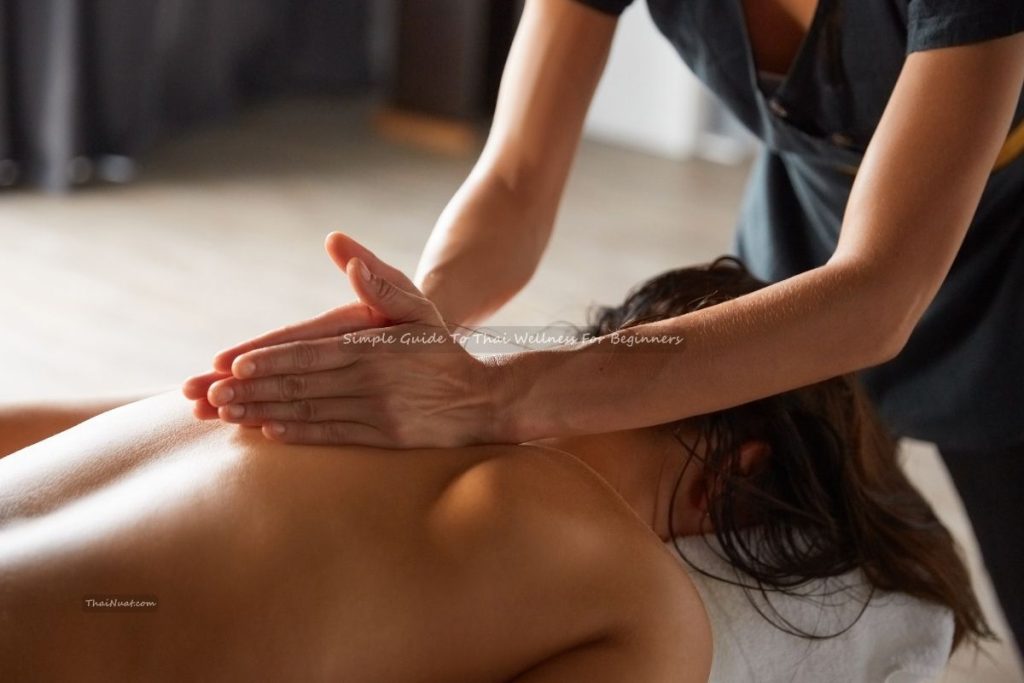
For beginners, it is good to start gently. Tell the massage therapist if it is your first time, if you prefer light pressure, or if you have any pain, injury, or health condition. Communication is important. A good therapist should listen to your comfort level.
What To Expect From Thai Massage
During a Thai massage, you may remain clothed in loose, comfortable clothing. The therapist may use hands, thumbs, palms, elbows, knees, or gentle assisted stretches. Some sessions are done on a mat on the floor, while others may be done on a massage table depending on the place.
A beginner-friendly Thai massage should not feel painful. Some pressure may feel strong, especially in tight areas, but you should always be able to tell the therapist if you want less pressure.
After a massage, it is a good idea to drink water, rest if needed, and avoid heavy exercise immediately afterward. Your body may feel relaxed, loose, or slightly tired, especially if it was your first session.
Beginner Tips Before Thai Massage
- Wear loose and comfortable clothing.
- Avoid eating a heavy meal right before the session.
- Tell the therapist about injuries or sensitive areas.
- Ask for lighter pressure if you are unsure.
- Drink water after the massage.
- Rest for a while if your body feels tired.
Thai massage can be a valuable part of Thai wellness, but it should always feel safe and respectful. If something feels wrong, too painful, or uncomfortable, speak up.
👉 “If you want to learn more about bodywork, start with these Thai Massage Therapy Tips For Beginners.”
Breathing, Meditation, And Natural Relaxation
You do not need to visit a spa every day to practice Thai wellness. Simple breathing and relaxation techniques can be done at home, at work, or even while traveling.

One easy method is slow breathing:
- Sit comfortably.
- Breathe in slowly through your nose.
- Hold for a short moment.
- Breathe out slowly.
- Repeat for a few minutes.
This simple practice can help create a calmer pause in the day. You can use it in the morning, before sleep, or whenever you feel tense.
You can also try short meditation. Start with only three to five minutes. Sit quietly, notice your breath, and let your body relax. If your mind wanders, gently bring your attention back to your breathing.
Gentle stretching, quiet music, warm tea, and a peaceful space can make the practice feel easier. The goal is not to empty your mind completely. The goal is to create a small moment of calm.
Simple Morning Routine For Thai Wellness
A morning routine can help set the tone for the day. It does not need to be long or complicated. Even ten minutes can make your morning feel more balanced.
You can begin with:
- A glass of water after waking up
- Two or three minutes of slow breathing
- Gentle neck, shoulder, and back stretches
- A short walk or a few minutes near natural light
- A warm herbal tea, such as ginger or lemongrass tea
Morning hydration is especially simple. Drinking water after waking up can help you start the day with a healthy habit before coffee, work, or screen time.
Gentle stretching can also be useful, especially if you wake up stiff. Try moving slowly. Roll your shoulders, stretch your arms, turn your neck gently, and avoid forcing any position.
The goal is not perfection. The goal is to begin the day with calm, simple habits that are easy to repeat.
Thai Herbs And Aromatherapy
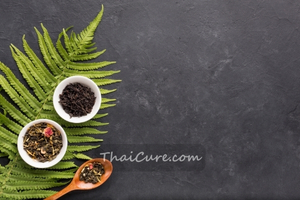
Thai wellness often includes natural herbs and aromatic plants. Some common ingredients include ginger, turmeric, lemongrass, galangal, kaffir lime, coconut oil, and herbal oils.
These ingredients may be used in:
- Herbal teas
- Massage oils
- Steam routines
- Warm baths
- Cooking
- Relaxation rituals
- Herbal compresses
For example, lemongrass is often used for its fresh scent, ginger is popular in warm drinks, and coconut oil is commonly used in massage and skin or hair care routines.
Lemongrass
Lemongrass has a fresh citrus-like aroma and is common in Thai cooking, tea, and spa products. In wellness routines, it is often used for its refreshing scent. A warm cup of lemongrass tea can be a simple evening habit.
Ginger
Ginger is warming and commonly used in Thai and Asian wellness traditions. It can be added to tea, soups, or simple drinks. Many people enjoy ginger tea after meals or during cooler weather.
Turmeric
Turmeric has a bright yellow color and earthy taste. It is used in food, drinks, and some natural skincare routines. Because turmeric can stain, it should be used carefully, especially on skin, clothes, and kitchen surfaces.
Coconut Oil
Coconut oil is often used in massage, hair care, and skin care routines. A small amount can be applied to dry hair ends or used as part of a simple massage routine. Start with a small amount, because too much oil can feel heavy.
Herbal Compress
A Thai herbal compress is a cloth bundle filled with herbs and warmed before use. It is often used in spa and massage settings. Beginners should be careful with heat and avoid using a compress that is too hot for the skin.
Use herbs gently and safely. If you are pregnant, breastfeeding, taking medication, or managing a health condition, ask a healthcare professional before using herbs regularly.
👉 “You can also explore simple herbs and natural routines in these Herbal Wellness Tips For Beginners.”
Simple Thai Wellness Habits For Everyday Life
Thai wellness works best when it becomes part of normal daily life. Small habits can be easier to keep than big lifestyle changes.
Here are simple ideas for beginners:
- Drink enough water throughout the day.
- Take short walking breaks.
- Stretch your neck and shoulders after sitting for a long time.
- Use slow breathing when you feel stressed.
- Drink herbal tea instead of another sugary drink.
- Book a Thai massage when your body feels tense.
- Create a calm evening routine before sleep.
These habits are simple, but they can support a more balanced lifestyle when practiced regularly.
If you work at a desk, try standing up every hour. Move your shoulders, stretch your arms, and take a few slow breaths. If you are busy, even a short walk can help break the feeling of stress or stiffness.
If your evenings feel rushed, create a small wind-down routine. Turn off bright screens earlier, drink warm herbal tea, stretch gently, or use calming aromas. This helps signal to your body that the day is slowing down.
How To Start Your Thai Wellness Routine
If you are new to Thai wellness, do not try everything at once. Start with one or two habits.
For example, you can begin with:
- Drinking water every morning
- Stretching for five minutes each day
- Practicing slow breathing before sleep
- Trying Thai massage once a month
- Adding ginger or lemongrass tea to your routine
After a few weeks, you can add more practices if they feel useful. The best Thai wellness routine is one you can actually repeat. It should feel supportive, not stressful.
A simple weekly routine might look like this:
- Morning: drink water and stretch for five minutes.
- During the day: take one short walk or breathing break.
- Evening: drink herbal tea or do gentle stretching.
- Once in a while: book a Thai massage or use a warm herbal compress.
This kind of routine is easy to adjust. If you miss a day, simply start again. Thai wellness should feel kind and flexible, not like another pressure in your life.
Safety Tips Before Trying Thai Wellness Practices
Thai wellness practices are generally gentle, but they are not suitable for everyone in the same way. Safety is important, especially with massage, stretching, herbs, oils, heat, and aromatherapy.
Keep these safety tips in mind:
- Start slowly, especially with massage, stretching, and herbs.
- Tell your massage therapist about injuries, pain, pregnancy, or medical conditions.
- Do not force deep stretches if they feel painful.
- Use herbs carefully if you take medication or have allergies.
- Test oils or skincare products on a small area first.
- Be careful with hot compresses, steam, and warm baths.
- Stop any practice that causes pain, dizziness, skin irritation, or discomfort.
- Ask a healthcare professional if you are unsure whether a practice is safe for you.
Wellness should help your body feel better, not create new problems. If a practice feels uncomfortable or unsafe, stop and choose something gentler.
Conclusion
Thai wellness is a simple and gentle way to care for the body and mind. It brings together Thai massage, relaxation, breathing, herbs, movement, and daily self-care habits.
For beginners, the best approach is to start small. Drink water in the morning, stretch gently, breathe slowly, enjoy herbal tea, and consider Thai massage when your body needs relaxation.
You do not need to change your whole lifestyle at once. Choose one or two simple habits, repeat them regularly, and build from there. Over time, these small Thai wellness habits can become part of a calmer, healthier, and more balanced everyday life.
FAQ
What is Thai wellness?
Thai wellness is a holistic approach to wellbeing that may include Thai massage, stretching, breathing, meditation, herbs, aromatherapy, and simple healthy habits.
Is Thai wellness good for beginners?
Yes. Beginners can start with simple practices such as breathing exercises, gentle stretching, herbal tea, hydration, and beginner-friendly Thai massage.
What should I expect from Thai massage?
Thai massage usually includes pressure, movement, and assisted stretching. You normally wear loose clothing, and the therapist may work on different areas of the body to help release tension.
Can I practice Thai wellness at home?
Yes. You can practice Thai wellness at home with simple habits like slow breathing, stretching, drinking herbal tea, using calming aromas, and creating a peaceful evening routine.
Is Thai wellness safe for everyone?
Not always. People who are pregnant, injured, taking medication, or managing health conditions should ask a healthcare professional before trying new massage, herbal, or wellness practices.
How often should I get Thai massage?
It depends on your body, lifestyle, and budget. Some people enjoy Thai massage once a month, while others may prefer it more or less often. Beginners should start gently and see how their body responds.
What Thai herbs are commonly used in wellness?
Common Thai wellness ingredients include lemongrass, ginger, turmeric, galangal, kaffir lime, coconut oil, and herbal oils.
How can busy people start Thai wellness?
Start small. Try three minutes of breathing, five minutes of stretching, drinking more water, or having herbal tea in the evening. Small habits are easier to keep.
Do I need special equipment for Thai wellness?
No. Many beginner Thai wellness habits need no special equipment. You can start with water, breathing, stretching, walking, herbal tea, and simple relaxation practices.
Can Thai wellness help with stress?
Thai wellness practices such as breathing, massage, stretching, meditation, and calming routines may help some people feel more relaxed. However, serious or ongoing stress should be discussed with a qualified professional.