


- Introduction
- What Does Thai Wellness Mean?
- 1. Begin The Morning Slowly
- 2. Drink Water Throughout The Day
- 3. Eat A Variety Of Fresh Ingredients
- 4. Make Movement Part Of Normal Life
- 5. Practise Calm Breathing
- 6. Use Thai Herbs In Simple Ways
- 7. Take Short Breaks From Screens
- 8. Spend Time Outdoors
- 9. Build Small Moments Of Rest Into The Day
- 10. Enjoy Gentle Self-Massage
- 11. Maintain A Regular Sleep Routine
- 12. Make Time For Other People
- 13. Let Go Of Unnecessary Pressure
- 14. Create A Simple Evening Ritual
- How To Start Without Changing Everything
- A Simple Thai-Inspired Daily Wellness Routine
- Common Mistakes To Avoid
- Conclusion
- FAQ
- What Are Thai Wellness Habits For Everyday Life?
- Do I Need To Live In Thailand To Follow These Habits?
- Are Thai Herbs Safe To Use Every Day?
- Is Thai Massage Necessary For Thai Wellness?
- How Many New Wellness Habits Should I Start With?
- Can Thai Wellness Habits Help With Stress?
- What Is The Easiest Thai Wellness Habit For Beginners?
- How Long Does A Daily Wellness Routine Need To Be?
Introduction
Best Thai Wellness Habits For Everyday Life
Thai wellness is often associated with herbal traditions, Thai massage, spa treatments, meditation, and nourishing food. However, its most useful lessons do not require an expensive retreat or a complicated routine.
Many Thai wellness habits for everyday life are based on simple ideas: move regularly, eat with balance, rest when needed, spend time outdoors, care for the body, and approach the day with greater calm.
These habits are not about following strict rules. They are small practices that can help create a steadier rhythm between work, family life, rest, and personal care.

This guide explores practical Thai wellness habits for everyday life that beginners can adapt wherever they live.
👉 “General wellness products should be kept separate from medical products, and readers can also learn about Reviewing Medicinal Cannabis Product Information.”
What Does Thai Wellness Mean?
Thai wellness brings together several areas of daily life rather than focusing on one treatment or activity. Food, movement, rest, herbs, social connection, and emotional balance can all play a part.
Traditional Thai approaches often view wellbeing as something supported by everyday routines. A person may drink a warm herbal beverage, stretch after waking, eat fresh ingredients, receive massage, or make time for quiet reflection.
Modern Thai wellness also includes familiar practices such as walking, yoga, spa care, healthy meals, and better sleep routines.
The most helpful Thai wellness habits for everyday life are usually the ones that feel realistic enough to repeat.
1. Begin The Morning Slowly
A rushed morning can affect the pace of the entire day. One of the simplest Thai wellness habits for everyday life is allowing a few quiet minutes before checking messages, starting work, or dealing with daily responsibilities.
A gentle morning may include:
- Drinking a glass of water
- Opening a window or stepping outside
- Taking several slow breaths
- Stretching the arms, neck, back, and legs
- Sitting quietly for a few minutes
- Eating a light but satisfying breakfast
This does not need to become a long ritual. Even five calm minutes can make the morning feel more intentional.
The goal is not to create a perfect routine. It is to give the body and mind time to wake up before the busiest part of the day begins.
2. Drink Water Throughout The Day
Thailand’s warm climate makes regular hydration especially important. Drinking water is also one of the easiest Thai wellness habits for everyday life to adopt.

Rather than waiting until you feel very thirsty, keep water nearby and drink small amounts throughout the day.
Plain water should remain the main choice. However, you can add variety with:
- Water infused with lime or cucumber
- Unsweetened lemongrass tea
- Light pandan water
- Warm ginger tea
- Coconut water occasionally
Many bottled or prepared Thai drinks contain a large amount of added sugar. Checking the label or asking for less sweetness can help keep herbal drinks part of a balanced routine.
3. Eat A Variety Of Fresh Ingredients
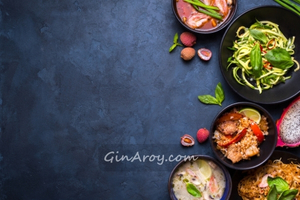
Thai food can include vegetables, herbs, fruit, rice, noodles, fish, tofu, eggs, meat, and aromatic spices. A balanced meal does not require removing entire food groups. It is more useful to pay attention to variety, portions, and preparation.
One practical approach is to build meals around:
- Vegetables or herbs
- A source of protein
- Rice, noodles, or another carbohydrate
- A moderate amount of sauce, oil, and sugar
Fresh ingredients such as basil, coriander, lime, ginger, turmeric, garlic, and lemongrass can add aroma and flavour without relying only on heavy sauces.
Balanced eating is one of the most practical Thai wellness habits for everyday life because it supports energy without turning every meal into a strict health plan.
Enjoying favourite foods in sensible portions is usually more sustainable than trying to eat perfectly.
4. Make Movement Part Of Normal Life
Movement does not always have to mean a formal workout. Walking to a nearby shop, taking the stairs, stretching between tasks, gardening, or playing with children all count.
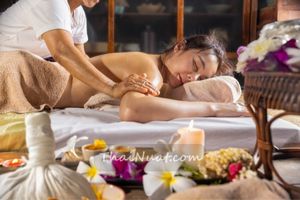
Traditional Thai massage and wellness practices also place attention on flexibility, movement, and awareness of the body.
A simple daily movement routine may include:
- A short morning stretch
- A walk after breakfast or dinner
- Shoulder and neck movements during work
- Gentle yoga or mobility exercises
- Light cycling
- Swimming
- Household activities
Choose movement that suits your age, health, comfort, and fitness level. Stop if an activity causes sharp pain, dizziness, or unusual discomfort.
Among all Thai wellness habits for everyday life, regular gentle movement may be one of the easiest to fit around a busy schedule.
5. Practise Calm Breathing
Slow breathing can be used as a simple way to pause during a stressful day. It requires no special equipment and can be practised almost anywhere.
Try this basic routine:
- Sit or stand comfortably.
- Relax your shoulders.
- Breathe in slowly through your nose.
- Breathe out gently.
- Repeat for one or two minutes.
Avoid forcing the breath or holding it for an uncomfortable length of time. The aim is simply to slow down and bring attention back to the present moment.
This small pause can be used before a meeting, after travelling, during a busy afternoon, or before sleep.
Mindful breathing fits naturally among Thai wellness habits for everyday life because it encourages calm without requiring a complicated meditation practice.
6. Use Thai Herbs In Simple Ways
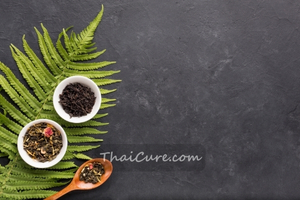
Herbs are an important part of Thai cooking and traditional wellness culture. Beginners do not need to create strong remedies or take concentrated supplements to explore them.
A safer starting point is using familiar herbs in normal food and drinks.
Examples include:
- Lemongrass in tea or soup
- Ginger in warm drinks or cooking
- Turmeric in curries and savoury dishes
- Pandan in lightly flavoured drinks
- Thai basil in meals
- Mint in salads and beverages
- Lime in food and water
Herbs can support flavour, aroma, and enjoyment, but they should not be presented as guaranteed treatments for medical problems.
Anyone who is pregnant, breastfeeding, taking medication, living with a medical condition, or considering concentrated herbal products should speak with a qualified healthcare professional.
Using herbs sensibly is one of the most accessible Thai wellness habits for everyday life.
7. Take Short Breaks From Screens
Phones and computers make daily life easier, but constant notifications can make it difficult to rest mentally.
One useful habit is creating short screen-free periods during the day. This could mean:
- Eating one meal without a phone
- Going for a short walk without checking messages
- Turning off unnecessary notifications
- Keeping the phone away during family time
- Avoiding screens shortly before bed
A break does not need to last for hours. Ten or fifteen minutes of quiet can help create space between tasks.
This form of mindful living is not uniquely Thai, but it fits well with the slower and more balanced approach found in many Thai wellness habits for everyday life.
8. Spend Time Outdoors
Thailand offers many opportunities for outdoor living, from public parks and gardens to beaches, temple grounds, neighbourhood paths, and shaded local spaces.
Outdoor time can include:
- Walking in a park
- Sitting under a tree
- Gardening
- Visiting a calm green space
- Walking early in the morning
- Spending relaxed time with family outdoors
In hot weather, choose cooler times of day, wear suitable sun protection, and carry water.
You do not need to travel far. A short walk around the neighbourhood can still provide fresh air, movement, and a break from indoor routines.
9. Build Small Moments Of Rest Into The Day
Rest is not only something that happens at night. Short pauses can help prevent the day from feeling continuously rushed.
Try creating small moments of rest by:
- Sitting quietly after lunch
- Stretching between work sessions
- Drinking tea without multitasking
- Listening to calm music
- Taking a warm shower in the evening
- Resting after demanding physical activity
Rest does not have to mean sleeping. It can simply mean stepping away from pressure for a few minutes.
Making room for recovery is one of the most overlooked Thai wellness habits for everyday life.
10. Enjoy Gentle Self-Massage
Thai massage is usually performed by a trained practitioner, but simple self-massage can be part of home care.
You can gently massage areas such as:
- Hands
- Feet
- Forearms
- Shoulders
- Scalp
Use light pressure and stop if something feels painful. A small amount of plain massage oil may help reduce friction, but test new products on a small area first.
Do not massage swollen, injured, infected, or recently operated areas. Persistent pain should be assessed by a healthcare professional rather than treated only at home.
Gentle self-massage can be especially relaxing after long periods of standing, typing, travelling, or household work.
11. Maintain A Regular Sleep Routine
Sleep supports energy, mood, concentration, and physical recovery. A regular evening routine can make it easier for the body to recognise when it is time to slow down.
Helpful habits may include:
- Going to bed at a similar time
- Reducing bright screens before sleep
- Keeping the room cool and comfortable
- Avoiding very heavy meals late at night
- Choosing a quiet activity before bed
- Limiting caffeine later in the day
A warm shower, gentle stretching, or a caffeine-free drink may also help create a calmer transition into the evening.
Better sleep is one of the most valuable Thai wellness habits for everyday life because it supports nearly every other part of wellbeing.
12. Make Time For Other People
Wellness is not only personal. Family meals, conversations with friends, shared activities, and community connections can all support a healthier daily rhythm.
Thai culture often places strong value on family, hospitality, shared food, and social connection.
Simple ways to strengthen connection include:
- Eating together when possible
- Calling a relative or friend
- Sharing food with neighbours
- Joining a local activity
- Spending time with children without distractions
- Asking others how they are feeling
Healthy social connection does not mean being available to everyone all the time. Personal boundaries and quiet time are also important.
The aim is to create a balance between connection and rest.
13. Let Go Of Unnecessary Pressure
The Thai expression “mai pen rai” is often loosely understood as “it is okay,” “never mind,” or “do not worry too much.”
It should not be used to ignore serious problems, responsibilities, or difficult emotions. However, it can serve as a reminder that not every small inconvenience needs to control the rest of the day.
You can practise this attitude by asking:
- Is this problem important tomorrow?
- Can I solve it now?
- Am I reacting more strongly because I am tired?
- Can I accept what I cannot change?
- What is the next useful step?
This gentler attitude is one of the more emotional Thai wellness habits for everyday life. It encourages perspective rather than perfection.
14. Create A Simple Evening Ritual
A calm evening routine can help separate the active part of the day from rest.
Your routine could include:
- Tidying one small area
- Preparing water for the morning
- Taking a warm shower
- Stretching gently
- Writing down tomorrow’s main task
- Drinking a caffeine-free herbal beverage
- Reading or listening to something calming
Keep the routine easy enough to repeat. A complicated list can create more pressure rather than less.
The best evening routine is not the most impressive one. It is the one that helps you feel settled and ready for sleep.
How To Start Without Changing Everything
Trying to adopt too many habits at once can quickly become overwhelming.
Begin with two or three Thai wellness habits for everyday life that match your current needs.
For example:
Morning: Drink water and stretch for five minutes.
Afternoon: Take a ten-minute screen-free walk.
Evening: Put the phone away before bed and breathe slowly for one minute.
Follow this simple routine for a week or two before adding anything else.
Small habits are easier to repeat, and repetition matters more than creating a perfect wellness schedule.
A Simple Thai-Inspired Daily Wellness Routine
Here is an example of how Thai wellness habits for everyday life can fit into a normal day.
Morning
- Drink water
- Open the window or step outside
- Stretch gently
- Eat a balanced breakfast
Midday
- Include vegetables and protein in lunch
- Take a short walk
- Rest your eyes away from screens
- Drink water or unsweetened herbal tea
Evening
- Eat without rushing
- Spend time with family or friends
- Take a warm shower
- Stretch or practise calm breathing
- Reduce screen use before sleep
You do not need to complete every step. Use the routine as inspiration and adjust it to your schedule.
Common Mistakes To Avoid
Thai wellness should feel supportive rather than stressful. Avoid these common mistakes:
Doing Too Much Too Quickly
Adding many new habits at once can make the routine difficult to maintain.
Treating Herbs As Medicine Without Advice
Herbs may interact with medication or be unsuitable for some people. Food-level use is different from concentrated supplements.
Ignoring Pain During Movement
Stretching should feel gentle. Pain is a sign to stop and assess what is happening.
Believing Wellness Must Be Expensive
Spa visits and retreats can be enjoyable, but daily wellness can also come from walking, resting, eating well, and breathing calmly.
Expecting Immediate Results
Wellness habits usually work through consistency rather than dramatic overnight changes.
👉 “Thai massage can be part of a wider self-care routine, and readers may also enjoy these Thai Wellness Habits For Everyday Life.”
Conclusion
Thai wellness does not need to be complicated. Its most useful lessons can be found in ordinary routines: drinking enough water, eating varied food, moving gently, using herbs sensibly, resting well, spending time outdoors, and maintaining meaningful relationships.
The best Thai wellness habits for everyday life are not strict rules. They are flexible practices that can help bring more awareness and balance into the day.
Start with one or two habits that feel realistic. Let them become familiar before adding more. Over time, small and steady choices can create a daily routine that feels calmer, healthier, and easier to maintain.
FAQ
What Are Thai Wellness Habits For Everyday Life?
Thai wellness habits for everyday life are simple practices inspired by Thai approaches to balance, food, movement, herbs, relaxation, self-care, and social connection.
Do I Need To Live In Thailand To Follow These Habits?
No. Most habits can be adapted anywhere. You can stretch, eat balanced meals, drink herbal tea, walk outdoors, practise calm breathing, and build a regular sleep routine wherever you live.
Are Thai Herbs Safe To Use Every Day?
Common culinary herbs are generally used in normal food amounts, but concentrated products and supplements require more care. Speak with a healthcare professional if you take medication, have a medical condition, or are pregnant or breastfeeding.
Is Thai Massage Necessary For Thai Wellness?
No. Thai massage can be part of wellness, but it is only one option. Movement, rest, balanced food, hydration, breathing, and social connection are also important.
How Many New Wellness Habits Should I Start With?
Begin with one to three small habits. Once they feel natural, you can gradually add more.
Can Thai Wellness Habits Help With Stress?
Calm breathing, regular movement, outdoor time, social connection, better rest, and less screen use may support relaxation. They are not replacements for professional mental or medical care when it is needed.
What Is The Easiest Thai Wellness Habit For Beginners?
Drinking water in the morning, stretching for five minutes, or taking a short walk are all easy places to begin.
How Long Does A Daily Wellness Routine Need To Be?
It can be very short. Several five-minute habits spread across the day may be more realistic than one long routine.