




- Introduction
- Think Of Massage As Part Of The Wind-Down Period
- Choose A Consistent Bedtime First
- How Long Before Bed Should Massage Be?
- Avoid Turning The Massage Into A Late-Night Event
- Choose A Calm Environment
- Gentle Massage May Fit Better Late In The Evening
- Intense Massage Is Not Automatically Better Before Bed
- Allow Time To Unwind Afterward
- Reduce Screen Stimulation After Massage
- Keep Lighting Lower Later In The Evening
- Combine Massage With A Simple Quiet Routine
- Avoid A Large Meal Immediately Before Bed
- Be Thoughtful About Caffeine
- Keep The Sleep Schedule Consistent On Non-Massage Nights
- Massage Does Not Need To Happen Every Evening
- Do Not Expect Massage To Make You Fall Asleep Immediately
- Notice Whether The Timing Works For You
- Keep The Bedroom Focused On Sleep
- A Simple Massage Evening Timeline
- When An Earlier Massage May Be Better
- When Massage May Not Be Appropriate
- When Sleep Problems Need More Than A Bedtime Routine
- Common Mistakes When Adding Massage To A Sleep Routine
- A Practical Evening Checklist
- Conclusion
- FAQ
- Can Massage For Better Sleep Be Part Of A Bedtime Routine?
- How Long Before Bed Should I Have A Massage?
- Is Gentle Massage Better Before Bed?
- Should I Go Straight To Bed After Massage?
- Should I Avoid My Phone After An Evening Massage?
- Does Massage Cure Insomnia?
- Is A Consistent Bedtime Important?
- What Should I Do After An Evening Massage?
- Can I Have Massage Every Night?
- When Should Ongoing Sleep Problems Be Discussed With A Doctor?
Introduction
Massage can be a pleasant part of an evening routine, but it is useful to have realistic expectations about what it can and cannot do.
Using massage for better sleep does not mean massage is a treatment for every sleep problem. Research on massage and sleep is limited and mixed. For example, the U.S. National Center for Complementary and Integrative Health notes that some research has not found massage to improve sleep disturbance, depending on the population studied.
A more practical approach is to think of massage as one optional part of the transition from an active day toward bedtime.
Healthy sleep habits still matter. The National Heart, Lung, and Blood Institute recommends maintaining a consistent sleep schedule, using the period before bed for quiet time, and keeping the sleep environment quiet, cool, and dark.

When massage for better sleep is used within that type of routine, timing and environment may matter as much as the massage itself.
This guide focuses specifically on fitting massage into an evening sleep routine without turning it into a broad discussion of massage therapy, stretching, pressure techniques, or general relaxation benefits.
👉 “Readers interested in traditional wellness approaches may also explore how herbs are used in traditional Thai care for additional cultural and wellness context.”
Think Of Massage As Part Of The Wind-Down Period
The hour before bedtime can act as a transition between daytime activity and sleep.

NHLBI recommends using the period before bed for quiet activities and avoiding bright light and vigorous exercise close to bedtime.
This makes the evening wind-down period a logical place to consider massage for better sleep.
A simple routine might look like:
- Finish demanding activities
- Reduce bright light
- Put work away
- Have a massage session
- Allow some quiet time afterward
- Complete normal bedtime tasks
- Go to bed at the usual time
Massage does not need to be the final thing you do before getting into bed.
For some people, allowing a little quiet time after the session may make the transition feel more natural.
Choose A Consistent Bedtime First
Before deciding when to schedule massage, identify your normal bedtime.
A consistent sleep schedule is one of the foundations of healthy sleep habits. Both NHLBI and CDC recommend going to bed and getting up at around the same time each day.
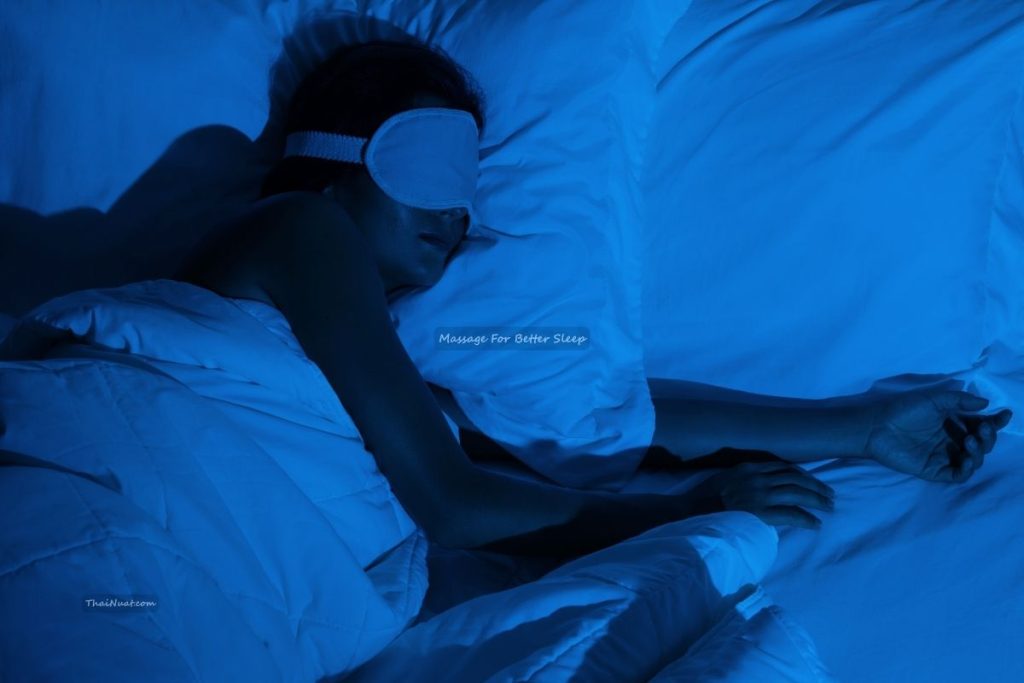
If bedtime changes dramatically every night, adding massage for better sleep may do little to create a predictable evening routine.
For example, if you normally aim to sleep around 10:30 p.m., you can work backward from that time rather than simply booking the latest available massage.
The goal is to make massage fit the routine rather than making the entire evening revolve around the massage appointment.
How Long Before Bed Should Massage Be?
There is no universal evidence-based rule saying that massage must end exactly a certain number of minutes before bedtime.
A practical approach is to avoid scheduling the session so late that you need to rush immediately from the massage table into bed.
For massage for better sleep, consider leaving enough time afterward to:
- Shower if desired
- Change comfortably
- Drink some water if needed
- Complete normal hygiene
- Dim the lights
- Read quietly
- Prepare the bedroom
- Settle without watching the clock
For some people, that may mean finishing massage roughly an hour or more before sleep. Others may prefer a shorter transition.
The important point is the overall evening rhythm, not a precise clock rule.
Avoid Turning The Massage Into A Late-Night Event
A late appointment can sometimes work against the purpose of massage for better sleep if it creates extra stimulation.
Consider what the session requires.
You may need to:
- Travel to the massage location
- Navigate traffic
- Wait for the appointment
- Travel home
- Shower
- Eat
- Check messages
- Complete unfinished tasks
A massage ending shortly before midnight may not support an earlier bedtime if the rest of the evening becomes rushed.
When possible, choose a time that leaves the final part of the evening uncomplicated.
Choose A Calm Environment
Environment can influence preparation for sleep.
CDC recommends a bedroom that is quiet, relaxing, and cool, while NHLBI similarly recommends a quiet, cool, dark sleep environment.
The same general principle can be useful when choosing an evening massage setting.
For massage for better sleep, a calm environment may include:
- Comfortable lighting
- Moderate temperature
- Minimal unnecessary noise
- A session without constant conversation
- Enough time that neither person feels rushed
- A comfortable transition afterward
The massage room does not have to be completely silent, but an energetic atmosphere may be less suitable when the goal is to transition toward bedtime.
Gentle Massage May Fit Better Late In The Evening
An evening session does not necessarily need to be intense.
If the goal is massage for better sleep, many people may prefer a comfortable session rather than one that feels highly stimulating or demanding.
This is especially worth considering with massage styles that can vary substantially in pressure and intensity.
An evening session might emphasise:
- Comfortable pressure
- A steady pace
- A manageable duration
- Communication with the therapist
- Avoiding unnecessary discomfort
This is not because gentle massage has been proven to cause sleep. Rather, it is a practical way to avoid making the final part of the day unnecessarily activating.
Intense Massage Is Not Automatically Better Before Bed
A stronger massage does not necessarily make massage for better sleep more effective.
Massage intensity should be chosen according to the individual’s comfort, health situation, and purpose of the session.
NCCIH notes that massage therapy is generally considered low risk when performed appropriately, but rare serious harms have been reported, particularly with vigorous techniques or people at increased risk of injury.
Tell the therapist when pressure feels uncomfortable.
There is no need to tolerate painful or aggressive work simply because the massage occurs before bedtime.
Allow Time To Unwind Afterward
Instead of filling the period immediately after massage with work or entertainment, leave some quiet time.
For example:
Massage → shower → dim lights → quiet reading → bedtime
may fit the purpose of massage for better sleep better than:
Massage → emails → social media → television → late meal → bedtime
CDC recommends turning off electronic devices at least 30 minutes before bedtime, while NHLBI recommends using the hour before bed for quiet time.
The massage is therefore best considered one component of a larger low-stimulation routine.
Reduce Screen Stimulation After Massage
Phones, tablets, computers, and televisions can easily extend the evening.
CDC specifically advises turning off electronic devices at least 30 minutes before bedtime as part of better sleep habits.
If you are experimenting with massage for better sleep, avoid finishing the session and then spending an hour scrolling through your phone.
Instead, use the time after massage for something quieter.
Options could include:
- Preparing clothes for tomorrow
- Reading
- Taking a shower
- Quiet conversation
- Completing bedtime hygiene
- Preparing the bedroom
The aim is to keep the evening moving in one direction: toward sleep.
Keep Lighting Lower Later In The Evening
Bright surroundings can also work against a quiet bedtime transition.
NHLBI advises avoiding bright artificial light during the period before bed, and CDC sleep guidance similarly recommends a relaxing sleep environment.
After massage for better sleep, consider keeping lighting comfortable rather than returning to a brightly lit workspace.
You do not need to make the entire home dark.
Simply creating a noticeable transition from daytime lighting to calmer evening lighting can help separate the active part of the day from bedtime.
Combine Massage With A Simple Quiet Routine
The routine surrounding massage does not need to be complicated.
For example:
Earlier Evening
Finish dinner and necessary tasks.
Wind-Down
Reduce work, screens, and bright light.
Massage
Choose a comfortable, appropriately gentle session.
After Massage
Shower or change if needed and keep activities quiet.
Bedtime
Go to bed at approximately the usual time.
This makes massage for better sleep part of a repeated pattern instead of a one-off activity expected to produce immediate sleep.
Avoid A Large Meal Immediately Before Bed
Meal timing is another part of the evening routine.
CDC advises avoiding large meals before bedtime, while NHLBI similarly recommends avoiding heavy or large meals within a couple of hours before going to bed.
For an evening massage, it may therefore be easier to organise dinner so that you do not finish the session extremely hungry and then eat a very large meal immediately before sleep.
A practical sequence could be:
Dinner → some time → massage → quiet wind-down → bed
rather than scheduling everything at the end of the night.
Be Thoughtful About Caffeine
Caffeine can remain relevant even when you are using massage for better sleep.
CDC recommends avoiding caffeine in the afternoon or evening, and NHLBI also identifies caffeine as something that can interfere with healthy sleep habits.
A relaxing massage cannot necessarily compensate for consuming stimulating drinks late in the day.
Look at the entire evening routine rather than expecting one activity to cancel out another.
Keep The Sleep Schedule Consistent On Non-Massage Nights
It can be tempting to create an elaborate bedtime routine only on evenings when you receive a massage.
However, sleep habits work across the week.
NHLBI recommends maintaining similar sleep and wake times even between weekdays and weekends.
That means massage for better sleep should fit into an existing schedule rather than becoming the only evening when bedtime is organised.
On other nights, you might keep the same general structure without massage:
- Reduce stimulation
- Dim the environment
- Follow normal hygiene
- Do something quiet
- Go to bed at the usual time
Consistency is more practical than depending on massage every night.
Massage Does Not Need To Happen Every Evening
There is no requirement to have massage every night for it to be included in an evening routine.
For example, someone might schedule massage:
- Once a week
- Occasionally after particularly busy days
- As part of a regular wellness appointment
- When it fits comfortably into the evening
The rest of the sleep routine can remain consistent.
This keeps massage for better sleep in perspective as an optional supportive habit rather than something you must have in order to sleep.
Do Not Expect Massage To Make You Fall Asleep Immediately
Realistic expectations are especially important.
Although people may personally find massage pleasant before bed, current research does not establish massage as a reliable stand-alone treatment for insomnia.
NCCIH notes that evidence concerning massage and sleep is limited, and at least some systematic evidence has found no improvement in sleep disturbance.
Therefore, massage for better sleep should not be promoted as:
- A cure for insomnia
- A guaranteed way to fall asleep quickly
- A substitute for medical evaluation
- A replacement for evidence-based sleep treatment
It is more reasonable to view it as one possible part of a comfortable bedtime routine.
Notice Whether The Timing Works For You
People may respond differently to evening massage.
After several sessions, consider:
- Did the appointment make bedtime easier or later?
- Did travelling home feel stimulating?
- Was the massage comfortable?
- Did you have enough time afterward?
- Did you return to screens immediately?
- Did you maintain your normal bedtime?
- Did the session feel too intense late in the evening?
If massage for better sleep repeatedly pushes bedtime later, an earlier appointment may work better.
The schedule should serve the sleep routine, not disrupt it.
Keep The Bedroom Focused On Sleep
After the evening routine is complete, the bedroom itself should support sleep.
CDC recommends keeping the bedroom quiet, relaxing, and cool.
For a simple setup:
- Reduce unnecessary noise
- Keep the room comfortably cool
- Limit bright screens
- Prepare bedding before the final wind-down
- Avoid bringing unfinished work into bed
These habits are more directly supported by sleep guidance than relying on massage alone.
A Simple Massage Evening Timeline
Someone with a normal bedtime around 10:30 p.m. might use a routine such as:
7:00 p.m. — Dinner
8:00 p.m. — Finish work and demanding tasks
8:30 p.m. — Comfortable massage session
9:30 p.m. — Shower and prepare for bed
10:00 p.m. — Quiet activity with reduced screens and lighting
10:30 p.m. — Bedtime
This is only an example rather than a medically required timetable.
The key principle for massage for better sleep is allowing the session to fit comfortably before the final wind-down instead of squeezing it into the last possible part of the evening.
When An Earlier Massage May Be Better
Consider moving the session earlier when:
- The massage is relatively intense
- Travel home takes a long time
- You usually eat afterward
- The appointment regularly delays bedtime
- You feel alert after the session
- You need time to shower and settle
- Late appointments make the evening rushed
There is nothing wrong with having massage earlier in the evening.
The goal is not to place the appointment as close to sleep as possible.
When Massage May Not Be Appropriate
Massage is not suitable for every person or every health situation.
NCCIH advises people with certain medical conditions or concerns to discuss massage therapy with a healthcare provider and not to use massage to postpone evaluation of a medical problem.
Tell your massage therapist about relevant health conditions, injuries, or medical concerns before treatment.
When uncertain whether massage is suitable, seek professional medical guidance rather than assuming an evening session is automatically safe.
When Sleep Problems Need More Than A Bedtime Routine
Occasional difficulty sleeping is different from persistent sleep problems.
The NHS advises seeking medical help when changes to sleep habits have not helped, sleep difficulties have continued for months, or insomnia is interfering with daily life.
This is important because persistent sleep problems can have different causes.
Do not keep adding more massage sessions in the hope that they will solve an ongoing problem.
Massage for better sleep may be part of an evening routine, but persistent insomnia deserves appropriate assessment.
Common Mistakes When Adding Massage To A Sleep Routine
Scheduling It Too Late
A late session may push bedtime later once travel and other tasks are included.
Choosing An Unnecessarily Intense Session
Stronger pressure is not automatically more appropriate before bedtime.
Returning To Work Immediately Afterwards
Emails, deadlines, and demanding tasks can interrupt the wind-down period.
Spending The Rest Of The Evening On Screens
CDC recommends reducing electronic-device use before bedtime.
Changing Bedtime Constantly
A consistent sleep schedule remains one of the main recommended sleep habits.
Expecting Massage To Cure Insomnia
The evidence does not justify treating massage as a guaranteed insomnia treatment.
Avoiding these mistakes keeps massage for better sleep within a realistic role.
A Practical Evening Checklist
Before adding massage to your sleep routine, consider:
Timing: Does the session finish early enough for a quiet transition afterward?
Intensity: Is the massage comfortable rather than unnecessarily demanding?
Environment: Is the setting calm and suitable for an evening session?
Travel: Will travelling home delay bedtime?
Screens: Can you reduce electronic stimulation afterward?
Lighting: Can the rest of the evening remain relatively calm and dim?
Schedule: Are bedtime and wake time reasonably consistent?
Expectations: Are you treating massage as an optional routine rather than a cure?
Sleep problems: Have persistent difficulties been discussed with a healthcare professional when appropriate?
This checklist keeps massage for better sleep focused on the larger sleep routine.
👉 “Readers exploring massage as part of an evening routine may also find these Thai massage tips for easing everyday body tension helpful for supporting relaxation and comfort.”
Conclusion
Massage for better sleep is best understood as one possible component of a structured evening routine rather than a stand-alone treatment for insomnia.
Start with the sleep schedule. Going to bed and waking at approximately consistent times is part of established sleep guidance.
Then consider where massage fits.
An evening massage should ideally leave enough time to travel home, shower if necessary, reduce stimulation, and settle before bedtime. There is no universal rule requiring massage to end a specific number of minutes before sleep.
For massage for better sleep, a comfortable session may fit the evening better than an unnecessarily intense one. More pressure is not automatically more useful.
The environment matters as well. Quiet surroundings, reduced bright light, fewer screens, and a calm bedroom are consistent with established recommendations for healthy sleep habits.
Keep expectations realistic. Research does not establish massage as a guaranteed treatment for sleep disturbance, and results can vary.
The most practical approach to massage for better sleep is therefore simple: schedule it at a comfortable time, choose an appropriate intensity, allow time to unwind afterward, keep the rest of the evening quiet, and maintain a reasonably consistent sleep schedule.
When sleep difficulties persist for months, remain troublesome despite changes to sleep habits, or interfere substantially with everyday life, discuss them with a healthcare professional rather than relying on massage alone.
FAQ
Can Massage For Better Sleep Be Part Of A Bedtime Routine?
Yes. Massage for better sleep can be included as one part of an evening wind-down routine, although it should not be considered a guaranteed treatment for insomnia.
How Long Before Bed Should I Have A Massage?
There is no universal required interval. Leave enough time afterward to travel, shower if necessary, complete normal bedtime tasks, and settle quietly.
Is Gentle Massage Better Before Bed?
A comfortable, relatively gentle session may fit an evening routine better for some people. An intense session is not automatically more useful for sleep.
Should I Go Straight To Bed After Massage?
Not necessarily. Allowing some quiet transition time afterward may make the evening feel less rushed.
Should I Avoid My Phone After An Evening Massage?
Reducing screen use before bedtime fits established sleep guidance. CDC recommends turning off electronic devices at least 30 minutes before bed.
Does Massage Cure Insomnia?
No. Current evidence does not support presenting massage as a guaranteed treatment for insomnia or sleep disturbance.
Is A Consistent Bedtime Important?
Yes. Maintaining consistent sleep and wake times is recommended by major sleep-health authorities.
What Should I Do After An Evening Massage?
Keep the remainder of the evening relatively quiet, complete normal bedtime hygiene, reduce screens and bright light, and aim for your usual bedtime.
Can I Have Massage Every Night?
Massage does not need to happen every evening. It can be an occasional or regularly scheduled part of a wider sleep routine.
When Should Ongoing Sleep Problems Be Discussed With A Doctor?
Seek medical advice when sleep problems persist for months, changes to sleep habits have not helped, or the problem is affecting everyday life.