


- Introduction
- Why Aftercare Matters After Thai Massage
- Listen To Your Body First
- Drink Water After The Session
- Rest For A While
- Move Gently
- Avoid Heavy Exercise Too Soon
- Expect Mild Soreness Sometimes
- Use Warmth Carefully
- Take A Warm Shower Or Bath
- Eat Light If You Feel Heavy
- Avoid Alcohol Right After Massage
- Avoid Too Much Screen Time
- Try Deep Breathing
- Use Gentle Self-Massage
- Be Careful With Foam Rolling
- Do Not Overstretch
- Notice Emotional Responses
- Sleep After Thai Massage
- What To Do The Next Morning
- When Mild Soreness Is Normal
- When To Seek Advice
- Talk To Your Massage Therapist
- Who Should Be Extra Careful
- Beginner-Friendly Aftercare Routine
- Common Mistakes To Avoid
- Simple Checklist After Thai Massage
- Conclusion
- FAQ
- What Should I Do After A Thai Massage?
- Can I Shower After A Thai Massage?
- Is It Normal To Feel Sore After Thai Massage?
- How Long Should I Rest After Thai Massage?
- Can I Exercise After Thai Massage?
- Should I Stretch After Thai Massage?
- What Should I Drink After Thai Massage?
- Can I Drink Alcohol After Thai Massage?
- What If I Feel Dizzy After Thai Massage?
- Are Thai Massage Aftercare Tips The Same For Everyone?
Introduction
Thai massage can feel relaxing, energising, intense, or deeply restorative, depending on the style, pressure, therapist, and your body’s condition. For beginners, the session itself is only one part of the experience. What you do afterward can help you feel more comfortable and make the benefits easier to enjoy.
Thai Massage Aftercare Tips are simple steps you can follow after a session. They include drinking water, resting, moving gently, avoiding heavy exercise too soon, noticing how your body feels, and giving yourself time to settle.
Thai massage often includes stretching, pressure, assisted movement, and work on areas of muscle tension. Because of this, some people may feel relaxed and light afterward, while others may feel mild soreness, tiredness, or sensitivity in certain areas.
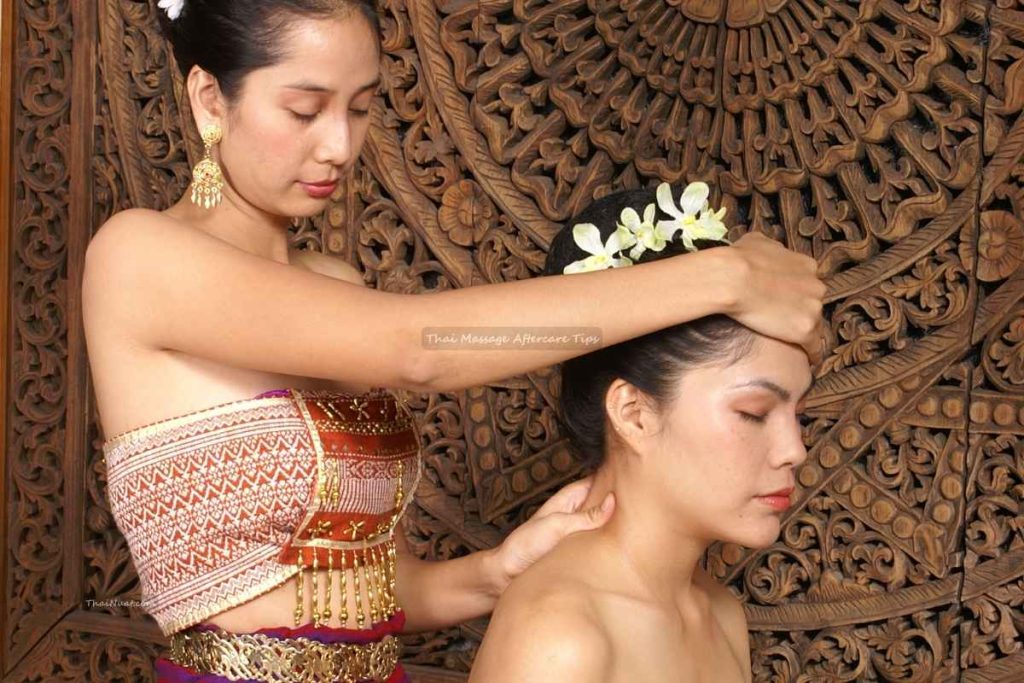
This guide explains practical Thai Massage Aftercare Tips for beginners so you can recover safely, feel more comfortable, and understand what is normal after a session.
👉 “Readers learning about massage aftercare and personal wellness may also find this guide to Preparing Your Health Information useful before discussing medical options with a qualified professional.”
Why Aftercare Matters After Thai Massage
Aftercare matters because Thai massage can affect the body in several ways. Muscles may feel looser, joints may feel more mobile, and the nervous system may feel calmer. At the same time, areas that were tight or overworked may feel tender for a short time.
Thai Massage Aftercare Tips can help you:
- Rehydrate after the session
- Give muscles time to settle
- Reduce post-massage discomfort
- Avoid overdoing activity too soon
- Support relaxation
- Notice how your body responds
- Build a safe wellness routine
- Understand when discomfort is not normal
Good aftercare does not need to be complicated. A calm, gentle approach is usually best.
Listen To Your Body First
The most important aftercare step is to listen to your body. Every person responds differently to Thai massage.
After a session, you may feel:
- Relaxed
- Sleepy
- Light
- Warm
- More flexible
- Slightly sore
- Emotionally calm
- Energised
- Thirsty
- Tender in certain muscles
Mild soreness can happen, especially if the massage included deep pressure or strong stretching. However, sharp pain, numbness, severe swelling, dizziness, or pain that gets worse should not be ignored.
If something feels unusual or worrying, contact your massage therapist or a healthcare professional.
Drink Water After The Session
Hydration is one of the simplest Thai Massage Aftercare Tips. After a massage, drinking water can help you feel refreshed and support general recovery.
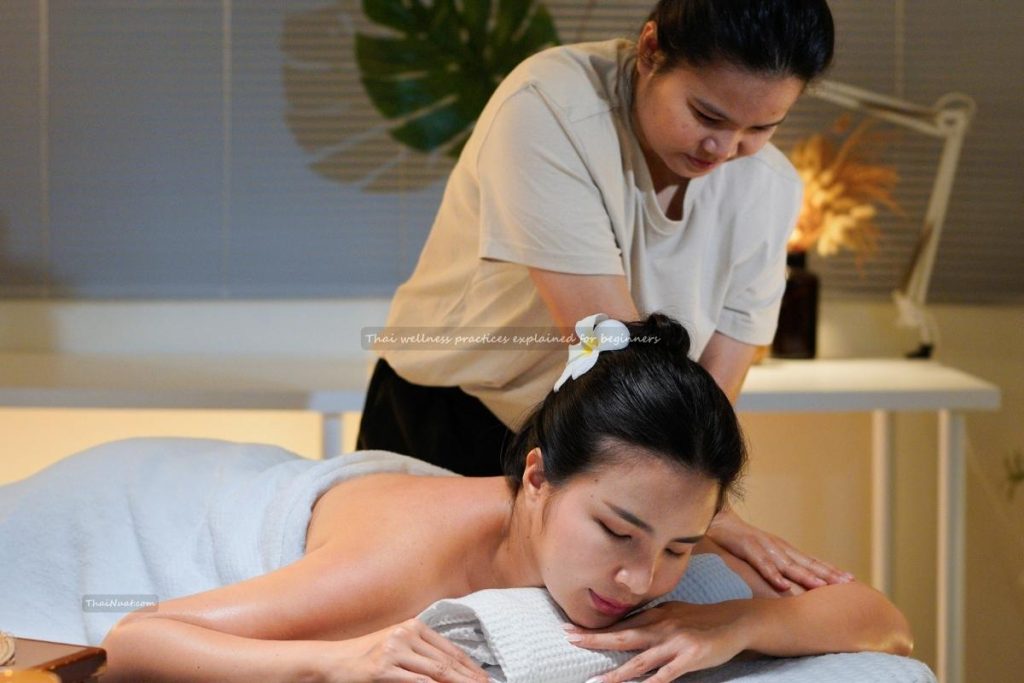
You do not need to force large amounts of water. Just drink steadily and listen to thirst.
Good options include:
- Plain water
- Warm water
- Herbal tea
- Coconut water
- Water with lime
- Light soup
- Fresh fruit with water content
Avoid using hydration as a strict rule. The goal is to gently support the body, not to overdrink.
Rest For A While
After Thai massage, give your body time to adjust. Beginners may benefit from a quiet period after the session instead of rushing into a busy schedule.
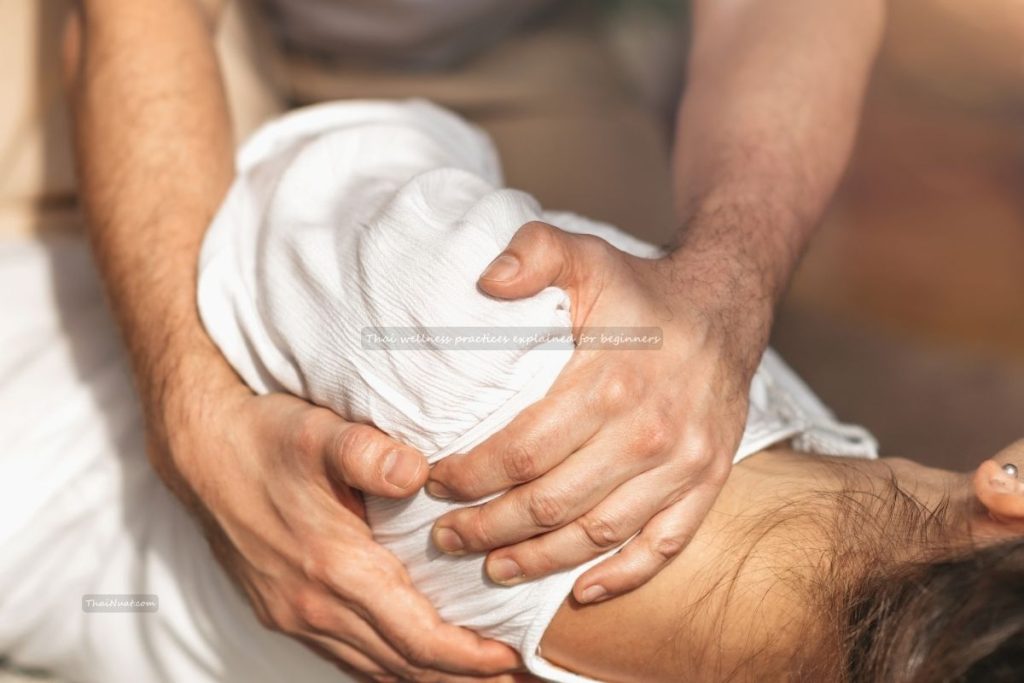
Good rest ideas include:
- Sitting quietly for a few minutes
- Taking a slow walk
- Drinking tea
- Avoiding stressful tasks right away
- Keeping the evening simple
- Going to bed a little earlier
- Taking a short nap if needed
Rest is especially helpful if the massage was strong or if you felt emotionally or physically tired afterward.
Move Gently
Gentle movement can help the body settle after Thai massage. You do not need intense stretching or exercise.
Good gentle movement includes:
- Slow walking
- Easy shoulder rolls
- Light neck movement
- Gentle hip circles
- Slow breathing with movement
- Easy arm stretches
- Gentle ankle circles
Avoid forcing your body into deep stretches after the session. Thai massage already includes stretching, so aftercare should feel soft and comfortable.
Avoid Heavy Exercise Too Soon
One of the most important Thai Massage Aftercare Tips is to avoid intense exercise immediately after the session, especially if you are new to Thai massage.
It may be better to avoid:
- Heavy weightlifting
- Intense running
- Strong yoga practice
- High-impact workouts
- Long cycling sessions
- Competitive sports
- Deep stretching sessions
- Very physical work
If you want to move, choose light walking or gentle mobility instead.
You can return to normal exercise when your body feels ready. If you are sore, tired, or unusually sensitive, give yourself more time.
Expect Mild Soreness Sometimes
Some beginners feel mild soreness after Thai massage. This can happen when tight muscles, stiff areas, or restricted movement patterns are worked during the session.
Mild soreness may feel like:
- Tender muscles
- Light stiffness
- Tiredness in worked areas
- A heavy feeling in the body
- Slight sensitivity when moving
This should usually be gentle and temporary.
You can support comfort with rest, hydration, gentle movement, and warmth.
If pain is sharp, severe, spreading, or lasts longer than expected, seek professional advice.
Use Warmth Carefully
Warmth may feel soothing after Thai massage. It can help some people relax and feel more comfortable.
Options include:
- Warm shower
- Warm bath
- Warm towel
- Warm compress
- Warm herbal tea
- Warm foot soak
Keep warmth gentle. Avoid very hot baths or heat packs, especially if the skin is sensitive, swollen, bruised, or irritated.
If you have circulation problems, diabetes, reduced skin sensation, or a medical condition, ask a healthcare professional before using heat therapy.
Take A Warm Shower Or Bath
A warm shower or bath can be a calming way to end the day after Thai massage.
A simple routine may include:
- Warm water, not too hot
- Slow breathing
- Gentle body awareness
- Soft lighting
- No phone use
- Comfortable clothes afterward
- Early bedtime if needed
You do not need to wait a fixed amount of time unless your therapist used oils or gave specific instructions. If oil was used and you want it to absorb longer, ask the therapist what they recommend.
Eat Light If You Feel Heavy
Some people feel very relaxed after massage and may not want a heavy meal right away. A light meal can be a good choice.
Good options include:
- Soup
- Rice with vegetables
- Fruit
- Herbal tea
- Light noodles
- Simple protein
- Warm broth
- Smoothie
- Salad
- Steamed vegetables
Avoid overeating immediately after a session if your body feels sleepy or heavy.
Avoid Alcohol Right After Massage
It is usually best to avoid alcohol immediately after Thai massage. Alcohol can affect hydration, sleep quality, balance, and body awareness.
After a massage, your body may already feel relaxed, light, or tired. Alcohol can make that feeling stronger in a way that may not be helpful.
Choose water, herbal tea, coconut water, or a light meal instead.
Avoid Too Much Screen Time
After Thai massage, many people want to keep the relaxed feeling for longer. Too much phone or laptop time can quickly bring back mental tension.
Try a gentle screen break after the session.
Better options include:
- Quiet music
- Light reading
- Stretching gently
- Journaling
- Breathing exercises
- Taking a walk
- Sitting outside
- Resting in a calm room
This is one of the easiest Thai Massage Aftercare Tips for supporting mental relaxation.
Try Deep Breathing
Deep breathing can help extend the calm feeling after a massage.
Simple breathing routine:
Breathe in slowly through the nose. Pause briefly. Breathe out gently through the mouth. Repeat for a few minutes.
You do not need a complicated method. The goal is to slow down and let the body settle.
Deep breathing works well with a warm bath, quiet music, herbal tea, or bedtime.
Use Gentle Self-Massage
Gentle self-massage can be useful after a Thai massage, but it should not be intense.
You can gently massage:
- Temples
- Jaw
- Neck
- Shoulders
- Hands
- Feet
- Calves
Use light pressure and slow movement. Do not press deeply into sore areas.
If an area feels painful, swollen, bruised, numb, or unusually sensitive, avoid self-massage and seek advice if needed.
Be Careful With Foam Rolling
Foam rolling can help some people, but it may be too intense after a strong Thai massage.
If you use a foam roller, keep it gentle.
Avoid:
- Rolling directly on joints
- Pressing hard into painful areas
- Rolling bruised areas
- Long intense sessions
- Using foam rolling to “push through” pain
For beginners, gentle walking and light stretching may be better than strong foam rolling after massage.
Do Not Overstretch
Thai massage often includes assisted stretching. After the session, the body may feel more flexible, but that does not mean you should push deeper into stretches.
Safe stretching tips:
- Move slowly
- Avoid bouncing
- Stay within comfort
- Breathe naturally
- Stop if pain appears
- Keep stretches short and gentle
- Avoid aggressive yoga or deep stretching right away
Overstretching can irritate muscles or joints, especially after bodywork.
Notice Emotional Responses
Massage can sometimes bring emotional release. Some people feel calm and peaceful. Others may feel unexpectedly tired, sensitive, or emotional.
This does not always mean something is wrong. The body and mind can respond in different ways to relaxation, touch, and reduced tension.
Gentle support may include:
- Rest
- Journaling
- Quiet time
- Warm tea
- Breathing
- Talking to someone trusted
- Going to bed early
If emotional distress feels intense or ongoing, consider speaking with a qualified mental health professional.
Sleep After Thai Massage
Many people sleep well after Thai massage, especially if the session reduces tension and helps them relax.
To support sleep:
- Avoid heavy meals late at night
- Reduce caffeine later in the day
- Keep lights soft
- Avoid screens before bed
- Drink water earlier rather than too close to bedtime
- Keep the room comfortable
- Try slow breathing
Thai Massage Aftercare Tips work best when paired with a calm evening routine.
What To Do The Next Morning
The next day, check how your body feels.
You may feel:
- More relaxed
- A little sore
- More mobile
- Sleepier than usual
- Light and refreshed
- Tight in areas that were worked deeply
Good next-day aftercare includes:
- Drinking water
- Eating a balanced meal
- Walking gently
- Stretching lightly
- Avoiding sudden intense exercise if sore
- Noticing any unusual pain
If you feel good, return to your normal routine gradually.
When Mild Soreness Is Normal
Mild soreness after Thai massage can be normal, especially for beginners or people with tight muscles.
Mild soreness should usually:
- Feel manageable
- Improve with rest
- Ease with gentle movement
- Not feel sharp
- Not cause numbness
- Not worsen over time
If soreness feels like normal post-exercise tenderness, gentle aftercare may be enough.
When To Seek Advice
Seek professional advice if you experience:
- Severe pain
- Sharp pain
- Numbness
- Tingling that does not go away
- Weakness
- Dizziness
- Fainting
- Swelling
- Bruising that concerns you
- Pain that gets worse
- Trouble walking
- Chest pain
- Breathing difficulty
- Symptoms after an injury
- Pain lasting longer than expected
Thai Massage Aftercare Tips are helpful for normal recovery, but they are not a substitute for medical care.
Talk To Your Massage Therapist
A good massage therapist should be open to feedback. If you felt too much pressure or discomfort during the session, tell them.
Useful things to share include:
- Areas that felt too intense
- Previous injuries
- Medical conditions
- Pregnancy
- Sensitive joints
- Preferred pressure level
- Areas to avoid
- How you felt afterward
This helps future sessions become safer and more comfortable.
Who Should Be Extra Careful
Some people should be extra cautious with Thai massage and aftercare.
This includes people who:
- Are pregnant
- Have osteoporosis
- Have recent injuries
- Have recent surgery
- Have blood clot risk
- Have severe varicose veins
- Have uncontrolled blood pressure
- Have heart conditions
- Have nerve issues
- Have severe pain
- Have skin infections
- Have fever
- Have unexplained swelling
- Take blood-thinning medication
If you are unsure whether Thai massage is suitable, ask a healthcare professional before booking.
Beginner-Friendly Aftercare Routine
Here is a simple beginner routine:
After the session:
- Sit quietly for a few minutes
- Drink water
- Walk slowly if needed
- Avoid rushing
Later the same day:
- Eat a light meal
- Avoid heavy exercise
- Take a warm shower or bath
- Stretch gently if it feels good
- Reduce screen time
- Rest early
Next day:
- Notice soreness
- Move gently
- Drink water
- Return to normal activity gradually
- Contact a professional if symptoms feel unusual
This simple routine covers the most practical Thai Massage Aftercare Tips for beginners.
Common Mistakes To Avoid
Exercising Too Hard After Massage
Strong exercise right after Thai massage can increase soreness or fatigue.
Ignoring Pain
Mild soreness may be normal, but sharp or severe pain should not be ignored.
Overstretching
Thai massage already stretches the body. Keep aftercare stretching gentle.
Drinking Too Much Alcohol
Alcohol can interfere with hydration, sleep, and recovery.
Rushing Back Into Stress
Try to keep the calm feeling for longer by planning a slower evening.
Not Giving Feedback
Tell your therapist if the pressure was too strong or if you felt discomfort.
Expecting One Session To Fix Everything
Thai massage can support relaxation and mobility, but long-term tension often needs regular care, movement, rest, and lifestyle support.
Simple Checklist After Thai Massage
Use this quick checklist:
- Drink water
- Rest if needed
- Move gently
- Avoid heavy exercise
- Eat light if you feel tired
- Take a warm shower or bath
- Avoid alcohol right away
- Reduce screen time
- Notice soreness
- Sleep well
- Contact a professional if symptoms are unusual
This checklist is easy to follow and works well for beginners.
👉 “After learning basic aftercare, readers may also find these Facial Lifting Massage Tips For Beginners.”
Conclusion
Thai Massage Aftercare Tips can help beginners feel more comfortable after a session. Good aftercare is simple: drink water, rest, move gently, avoid intense exercise too soon, notice how your body feels, and give yourself time to relax.
Mild soreness or tiredness can happen, especially after a strong session. Gentle warmth, light stretching, slow breathing, and a calm evening may help your body settle.
The most important rule is to listen to your body. If something feels painful, unusual, or concerning, contact your therapist or a healthcare professional.
With simple Thai Massage Aftercare Tips, beginners can enjoy the massage experience more safely and build a better self-care routine.
FAQ
What Should I Do After A Thai Massage?
After a Thai massage, drink water, rest for a while, move gently, avoid heavy exercise, and notice how your body feels.
Can I Shower After A Thai Massage?
Yes, you can usually shower after a Thai massage. If oil was used and you want it to absorb longer, ask your therapist for advice.
Is It Normal To Feel Sore After Thai Massage?
Mild soreness can be normal, especially for beginners or after strong pressure and stretching. Severe, sharp, or worsening pain should be checked.
How Long Should I Rest After Thai Massage?
There is no fixed rule. Many beginners benefit from a calm few hours after the session, especially if the massage was deep or intense.
Can I Exercise After Thai Massage?
It is better to avoid heavy exercise immediately after Thai massage. Gentle walking or light movement is usually a better choice.
Should I Stretch After Thai Massage?
Gentle stretching is fine if it feels comfortable. Avoid deep, forceful, or bouncing stretches after the session.
What Should I Drink After Thai Massage?
Water is the easiest choice. Herbal tea, coconut water, or light soup can also be comfortable options.
Can I Drink Alcohol After Thai Massage?
It is better to avoid alcohol right after a massage because it may affect hydration, sleep, and body awareness.
What If I Feel Dizzy After Thai Massage?
Sit down, drink water slowly, and rest. If dizziness is severe, does not pass, or comes with other symptoms, seek medical advice.
Are Thai Massage Aftercare Tips The Same For Everyone?
No. Thai Massage Aftercare Tips should be adjusted based on your age, health, massage pressure, soreness level, and personal comfort.