

- Introduction
- Why Herbal Relaxation Habits Are Worth Understanding
- Herbal Habits Are Not Medical Cures
- Start With Simple Herbal Tea
- Lemongrass For A Fresh Evening Routine
- Pandan For A Soft Comforting Aroma
- Ginger For Warmth And Comfort
- Butterfly Pea For A Beautiful Calm Drink
- Warm Foot Soaks
- Herbal Compresses And Thai Massage
- Gentle Aromas At Home
- Herbal Bath Routines
- Bedtime Tea Ritual
- Pair Herbs With Breathing
- Pair Herbs With Gentle Stretching
- Create A Small Relaxation Corner
- Safety With Herbal Products
- When To Be Extra Careful
- When Relaxation Needs More Support
- Common Mistakes To Avoid
- Simple Herbal Relaxation Routine
- Simple Checklist Before Trying Herbal Habits
- Conclusion
- FAQ
- What Are Herbal Relaxation Habits?
- Are Herbal Relaxation Habits Medical Treatments?
- What Herbs Are Common For Relaxation Routines?
- Is Herbal Tea Safe For Everyone?
- Can I Use Essential Oils For Relaxation?
- What Is A Simple Herbal Relaxation Routine?
- Can Herbal Habits Help With Sleep?
- Are Thai Herbal Compresses Good For Relaxation?
- When Should I Avoid Herbal Products?
- What Is The Best Way To Start?
Introduction
Herbal Relaxation Habits can be a gentle way to add calm, comfort, and simple self-care to everyday life. In Thai wellness culture and many traditional home routines, herbs are often used in teas, warm baths, foot soaks, massage compresses, aromas, and quiet evening rituals.
These habits should be understood as wellness support, not medical treatment. Herbs can feel soothing, smell pleasant, and make daily routines more relaxing, but they should not be used to replace professional care for serious stress, anxiety, sleep problems, pain, or health conditions.
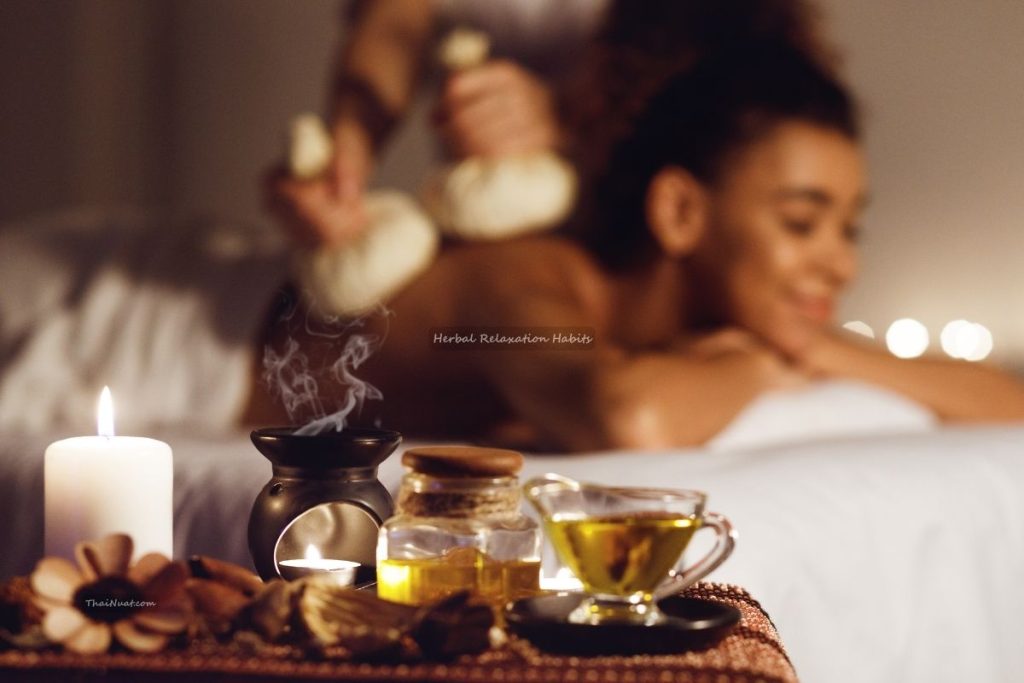
For thainuat.com readers, Herbal Relaxation Habits can fit naturally with Thai massage, slow breathing, warm drinks, gentle stretching, and restful home routines.
👉 “Readers exploring herbal relaxation habits may also enjoy learning about Organic Thai Skincare Ingredients for gentle natural self-care ideas.”
Why Herbal Relaxation Habits Are Worth Understanding
Herbal Relaxation Habits are worth understanding because they are usually simple and easy to add to normal life. They do not need to be expensive or complicated.
A relaxing herbal routine may include:
- Drinking warm herbal tea
- Using gentle herbal aromas
- Taking a warm foot soak
- Resting after Thai massage
- Using a warm herbal compress
- Creating a calm bedtime routine
- Breathing slowly with a cup of tea
- Choosing relaxing scents
- Taking screen-free evening time
- Enjoying warm water with herbs
- Keeping a quiet corner at home
The goal is not to fix every problem quickly. The goal is to create small peaceful moments that help the body and mind slow down.
Herbal Habits Are Not Medical Cures
Before exploring herbs, it is important to be realistic. Herbal Relaxation Habits should not be described as cures. They may support a relaxing routine, but they cannot promise to treat medical conditions.
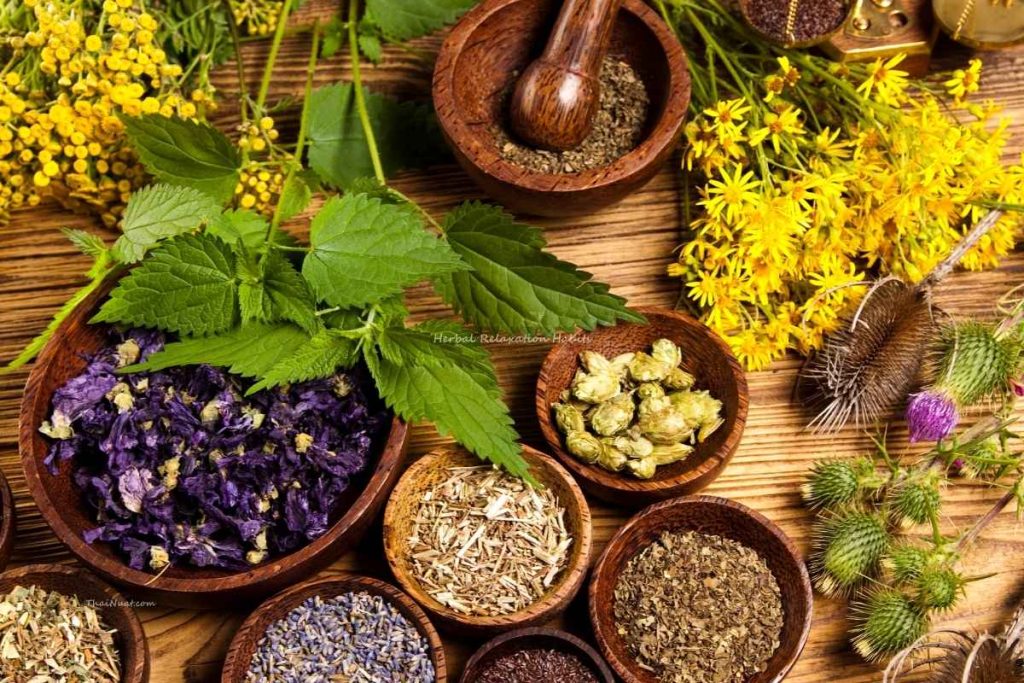
Be careful if you have:
- Pregnancy
- Breastfeeding
- Chronic illness
- Allergies
- Skin sensitivity
- Heart conditions
- Liver or kidney problems
- Mental health concerns
- Sleep disorders
- Regular medication
- Recent surgery
- A child or elderly person using herbs
Herbs and supplements can affect people differently. If you are unsure, ask a qualified healthcare professional before using strong herbal products, essential oils, supplements, or concentrated extracts.
Start With Simple Herbal Tea
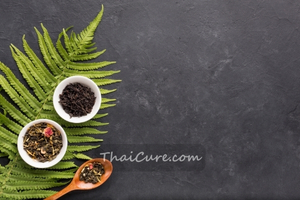
Herbal tea is one of the easiest Herbal Relaxation Habits to try. A warm drink can create a natural pause in the day, especially when paired with quiet breathing and screen-free time.
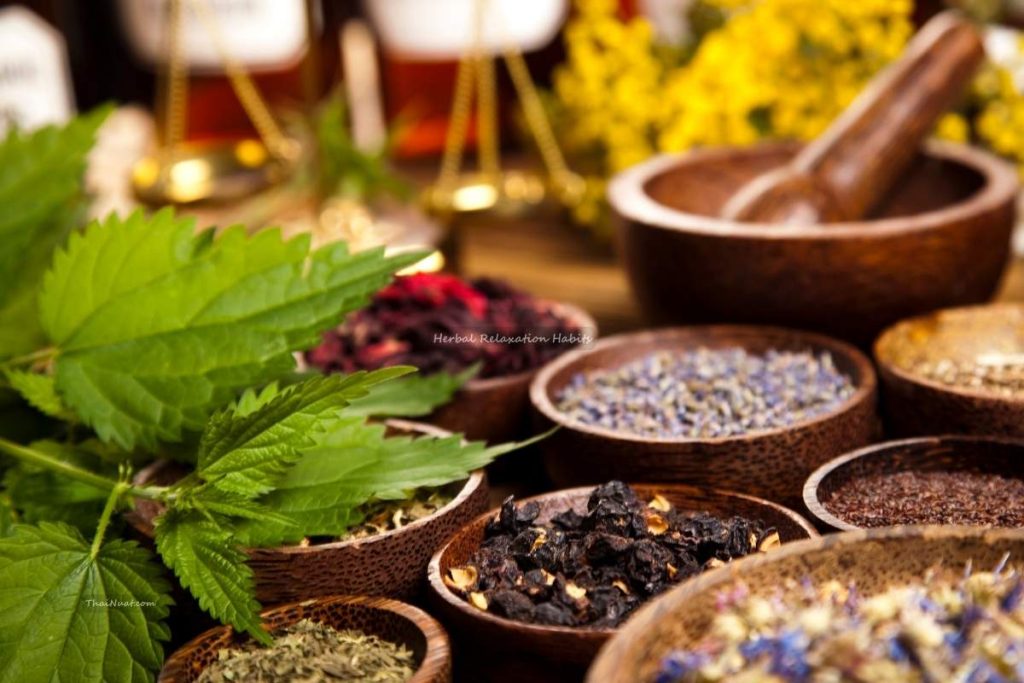
Common gentle herbal drinks may include:
- Lemongrass tea
- Pandan tea
- Ginger tea
- Butterfly pea tea
- Chrysanthemum tea
- Mint tea
- Roselle tea
- Warm honey lemon drink
- Barley tea
- Chamomile tea
The relaxation may come not only from the herb, but also from the routine. Holding a warm cup, sitting quietly, and drinking slowly can help create a calmer moment.
Avoid very strong herbal teas if you are pregnant, breastfeeding, taking medication, or sensitive to herbs.
Lemongrass For A Fresh Evening Routine
Lemongrass is common in Thai food, drinks, and wellness routines. Its fresh citrus-like aroma can make a tea or room feel light and clean.
Simple ways to enjoy lemongrass include:
- Warm lemongrass tea
- Lemongrass aroma in a spa setting
- Lemongrass in a warm foot soak
- Lemongrass as part of a Thai herbal compress
- Lemongrass scent after massage
Lemongrass should be used gently. A mild tea or aroma is usually more suitable for everyday relaxation than strong extracts or concentrated products.
Herbal Relaxation Habits work best when they feel comfortable and not overpowering.
Pandan For A Soft Comforting Aroma
Pandan is often used in Southeast Asian drinks, desserts, rice dishes, and home-style wellness routines. It has a soft, sweet, green aroma that many people find comforting.
Pandan may be used in:
- Warm pandan tea
- Pandan water
- Thai desserts
- Rice dishes
- Home aromas
- Gentle evening drinks
A warm pandan drink can be a simple way to slow down after a busy day.
As with all herbs, keep the habit moderate and simple.
Ginger For Warmth And Comfort
Ginger is widely used across Asia in cooking, tea, soups, and home routines. It has a warming taste and aroma, which can feel comforting during rainy weather, cool evenings, or after a long day.
Simple ginger habits include:
- Ginger tea
- Warm ginger water
- Ginger in soup
- Ginger with honey and lemon
- Ginger aroma in a warm drink
- Ginger as part of a comforting meal
Ginger can be strong for some people. Those who take medication, have certain health conditions, are pregnant, or are sensitive to spicy ingredients should use caution and ask for professional advice when needed.
Butterfly Pea For A Beautiful Calm Drink
Butterfly pea tea is known for its blue colour and gentle appearance. Many people enjoy it because it looks beautiful and feels like a calming drink ritual.
A simple butterfly pea routine may include:
- Warm butterfly pea tea
- Iced butterfly pea drink
- Butterfly pea with lemon
- Butterfly pea as a caffeine-free evening drink
- A quiet tea moment before rest
The colour can make the routine feel special, but it is still best to keep expectations realistic. Butterfly pea tea should be enjoyed as a pleasant drink, not as a guaranteed treatment.
Warm Foot Soaks
A warm foot soak can be one of the most relaxing Herbal Relaxation Habits, especially after walking, standing, travelling, or spending a long day outside.
A simple foot soak may include:
- Warm water
- A small amount of lemongrass
- A few slices of ginger
- A gentle herbal bath bag
- A clean towel
- Quiet sitting time
- Slow breathing
Keep the water warm, not hot. Avoid foot soaks if you have open wounds, skin infection, severe swelling, diabetes-related foot concerns, reduced sensation, or circulation problems unless advised by a healthcare professional.
A foot soak should feel soothing, not burning or uncomfortable.
Herbal Compresses And Thai Massage
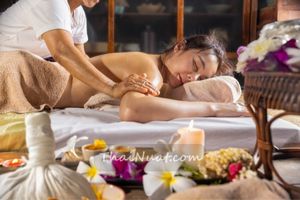
Herbal compresses are often connected with Thai massage and traditional wellness settings. A compress is usually a warm cloth bundle filled with herbs that is gently applied to the body.
Common herbal compress ingredients may include:
- Lemongrass
- Kaffir lime peel
- Turmeric
- Tamarind leaves
- Camphor
- Plai
- Ginger-like herbs
- Aromatic leaves
A herbal compress can feel warm and comforting, but it should be used carefully.
Avoid herbal compresses on:
- Open wounds
- Irritated skin
- Burns
- Areas with numbness
- Serious swelling
- Fresh injuries
- Skin infections
- Heat-sensitive areas
Tell the therapist if the compress feels too hot or if the aroma is too strong.
Gentle Aromas At Home
Herbal aromas can support a relaxing environment. Scents such as lemongrass, pandan, mint, lavender, jasmine, ginger, or citrus may help a room feel calmer and fresher.
Simple aroma ideas include:
- Herbal tea steam
- Fresh herbs in warm water
- Light room spray
- Gentle oil diffuser
- Herbal bath bag
- Spa-style towel scent
- Fresh leaves in a bowl
- Natural soap scent
Be careful with essential oils. They are concentrated and should not be used carelessly around babies, young children, pregnant people, pets, people with asthma, or people with sensitive skin.
More scent is not always better. A light aroma is usually enough.
Herbal Bath Routines
A warm bath or gentle herbal rinse can become part of a relaxing evening routine. This can be especially pleasant after a long workday, travel day, or massage session.
A simple herbal bath routine may include:
- Warm water
- A small herbal bath bag
- Soft lighting
- Quiet music
- Slow breathing
- Clean towel
- Comfortable clothing afterward
Avoid very hot water. Long hot baths may cause dizziness or skin dryness for some people.
If you have skin sensitivity, test carefully and avoid strong herbs or oils.
Bedtime Tea Ritual
A bedtime tea ritual can help signal that the day is ending. The tea itself does not need to be strong. The main value is the routine.
A simple bedtime routine may include:
- Turn off bright screens
- Make a warm caffeine-free drink
- Sit quietly
- Breathe slowly
- Write down tomorrow’s tasks
- Keep lighting soft
- Stretch gently
- Go to bed at a regular time
Herbal Relaxation Habits are often most helpful when they are connected to a steady daily rhythm.
Avoid caffeinated teas late at night if they disturb sleep.
Pair Herbs With Breathing
Herbs can be paired with breathing exercises to create a calmer moment. For example, you can sit with warm tea and take slow breaths before drinking.
A simple breathing routine may include:
- Sit comfortably
- Relax your shoulders
- Breathe in slowly
- Breathe out slowly
- Notice the warmth of the cup
- Take a small sip
- Repeat for a few minutes
Relaxation practices such as deep breathing and guided relaxation are often used to help the body and mind slow down, but they should still be gentle and comfortable. If breathing practices make you feel worse, stop and try a calmer approach.
Pair Herbs With Gentle Stretching
A relaxing herbal routine can also include gentle stretching. This works well after a warm foot soak, shower, or massage.
Simple movements may include:
- Neck stretches
- Shoulder circles
- Wrist stretches
- Side stretches
- Ankle circles
- Gentle forward fold
- Slow back stretch
- Relaxed breathing
Do not force stretching. Stop if you feel pain, dizziness, numbness, or discomfort.
The purpose is to relax, not to push the body.
Create A Small Relaxation Corner
A small relaxation corner can make Herbal Relaxation Habits easier to continue. It does not need to be fancy.
A simple corner may include:
- A comfortable chair
- Tea cup
- Soft towel
- Herbal tea box
- Notebook
- Gentle lighting
- Clean floor space
- Plant
- Calm scent
- Stretching mat
- Water bottle
This corner can become a place for tea, breathing, reading, journaling, or quiet rest.
A consistent space can make relaxation easier to remember.
Safety With Herbal Products
Herbal products vary in strength and quality. Some are simple teas or bath bags. Others are concentrated supplements, oils, capsules, tinctures, or extracts.
Before using any herbal product, check:
- Ingredients
- Expiry date
- Warnings
- Directions
- Manufacturer
- Storage instructions
- Skin test advice
- Possible allergens
- Suitability for children
- Pregnancy warnings
- Medicine interactions
- Claims that sound too strong
Avoid products that promise miracle results or claim to cure serious health problems.
Herbal Relaxation Habits should stay realistic and safe.
When To Be Extra Careful
Some people should be extra cautious with herbs, essential oils, supplements, and strong wellness products.
Extra care is needed for:
- Children
- Pregnant people
- Breastfeeding people
- Elderly people
- People taking medication
- People with allergies
- People with asthma
- People with skin conditions
- People with chronic illness
- People preparing for surgery
- People with liver or kidney problems
- People with serious stress or sleep problems
For these groups, simple lifestyle routines may still be helpful, but strong herbal products should not be used without proper guidance.
When Relaxation Needs More Support
Herbal habits can support everyday calm, but they are not enough for every situation. If stress, anxiety, sleep problems, sadness, panic, or physical symptoms are strong or ongoing, it is important to seek qualified support.
Consider getting help if:
- Stress affects daily life
- Sleep problems continue
- Worry feels uncontrollable
- You feel unsafe
- Physical symptoms are serious
- Pain is severe
- You feel overwhelmed for a long time
- You rely on herbs instead of care
- Symptoms are getting worse
Relaxation routines can be part of self-care, but professional help may be needed for deeper problems.
Common Mistakes To Avoid
Avoid these common mistakes with Herbal Relaxation Habits:
- Expecting instant results
- Using too many herbs at once
- Mixing herbs with medicine without advice
- Using strong essential oils carelessly
- Applying herbs to irritated skin
- Drinking very strong herbal tea
- Ignoring allergies
- Giving strong herbs to children
- Using herbs during pregnancy without guidance
- Believing every online claim
- Replacing medical care with herbal routines
- Thinking natural always means safe
Simple and moderate is usually better.
Simple Herbal Relaxation Routine
Here is a gentle routine for everyday wellness:
- Choose one mild herbal tea
- Sit in a quiet place
- Turn off bright screens
- Breathe slowly for a few minutes
- Drink the tea slowly
- Stretch shoulders gently
- Soak feet in warm water if comfortable
- Keep lighting soft
- Write down one thing to release from the day
- Sleep at a steady time
This routine can be adjusted based on your body, schedule, and comfort.
Simple Checklist Before Trying Herbal Habits
Use this checklist before starting:
- I know what herb I am using
- I checked the label
- I am not using too many herbs at once
- I checked for allergies
- I am not replacing medical care
- I will avoid strong products if pregnant or breastfeeding
- I will be careful with children
- I will ask a professional if taking medicine
- I will stop if I feel unwell
- I will keep the routine gentle
- I will avoid miracle claims
- I will choose rest and calm over pressure
This checklist helps keep herbal routines safer and more practical.
👉 “Readers exploring herbal relaxation habits may also find this guide to Thai Herbs For Everyday Stress Relief useful for simple wellness ideas.”
Conclusion
Herbal Relaxation Habits can be a gentle way to bring more calm into everyday life. Simple routines such as herbal tea, warm foot soaks, soft aromas, herbal compresses, breathing, gentle stretching, and quiet bedtime rituals can support a relaxing wellness lifestyle.
For thainuat.com readers, the best approach is to keep things simple, safe, and realistic. Herbs can be enjoyable and meaningful, but they should not be treated as medical cures. People who are pregnant, breastfeeding, taking medicine, caring for children, or living with health conditions should be extra careful.
The most useful Herbal Relaxation Habits are the ones that fit naturally into daily life. A warm cup of tea, a gentle scent, a few slow breaths, or a quiet evening routine can help create a peaceful pause without pressure.
With care and moderation, herbal wellness can become a soft and supportive part of relaxation.
FAQ
What Are Herbal Relaxation Habits?
Herbal Relaxation Habits are gentle wellness routines that use herbs in simple ways, such as tea, aromas, foot soaks, bath routines, or massage support.
Are Herbal Relaxation Habits Medical Treatments?
No. They are lifestyle and wellness routines, not medical treatments. They should not replace professional care for serious health concerns.
What Herbs Are Common For Relaxation Routines?
Common herbs and ingredients include lemongrass, pandan, ginger, butterfly pea, mint, chamomile, chrysanthemum, lavender, and Thai herbal compress blends.
Is Herbal Tea Safe For Everyone?
Not always. Some herbs may interact with medication or be unsuitable for pregnancy, breastfeeding, children, allergies, or health conditions.
Can I Use Essential Oils For Relaxation?
Essential oils should be used carefully because they are concentrated. Use light amounts and be extra careful around children, pregnant people, pets, asthma, and sensitive skin.
What Is A Simple Herbal Relaxation Routine?
A simple routine can include warm herbal tea, slow breathing, soft lighting, gentle stretching, and a regular bedtime.
Can Herbal Habits Help With Sleep?
They may support a calming evening routine, but they should not be treated as a cure for sleep problems. Ongoing sleep issues should be discussed with a professional.
Are Thai Herbal Compresses Good For Relaxation?
Thai herbal compresses can feel warm and soothing, especially with massage, but they should be avoided on wounds, irritated skin, fresh injuries, or heat-sensitive areas.
When Should I Avoid Herbal Products?
Avoid or seek advice first if you are pregnant, breastfeeding, taking medication, have chronic illness, allergies, skin problems, recent surgery, or are using products for children.
What Is The Best Way To Start?
Start with one gentle habit, such as a mild herbal tea or warm foot soak, and notice how your body responds.