


- Introduction
- Why Thai Relaxation And Self-Care Practices Matter
- Start With A Simple Wellness Mindset
- Thai Massage As A Relaxation Practice
- Gentle Stretching
- Breathing As Part Of Thai Self-Care
- Herbal Foot Soaks
- Thai Herbal Baths
- Warm Compresses
- Self-Massage
- Mindful Rest
- Thai Herbal Tea
- Aromas And Calm Spaces
- Evening Self-Care Routine
- Morning Self-Care Routine
- Self-Care After Thai Massage
- Self-Care For Busy People
- Self-Care For Beginners Who Feel Restless
- Thai Wellness And Everyday Balance
- Creating A Weekly Self-Care Plan
- What To Avoid
- Safety Tips For Thai Relaxation And Self-Care Practices
- Simple Checklist For Beginners
- Common Mistakes To Avoid
- Conclusion
- FAQ
- What Are Thai Relaxation And Self-Care Practices?
- Are Thai Relaxation And Self-Care Practices Good For Beginners?
- Do I Need A Spa To Practise Thai Self-Care?
- What Is The Easiest Thai Self-Care Practice To Start With?
- Can I Use Thai Herbs For Relaxation?
- Should I Stretch After Thai Massage?
- How Often Should I Practise Self-Care?
- Can Thai Relaxation Practices Help With Stress?
- Are There Any Safety Concerns?
- What Is A Simple Beginner Routine?
Introduction
Thai Relaxation And Self-Care Practices are simple ways to slow down, care for the body, and create a calmer daily routine. They may include Thai massage, herbal foot soaks, warm compresses, herbal baths, self-massage, gentle stretching, herbal tea, quiet rest, and mindful body awareness.
For beginners, Thai wellness does not need to feel complicated. You do not need a full spa day, expensive products, or a long routine. A few small habits can help you feel more relaxed, refreshed, and connected to your body.
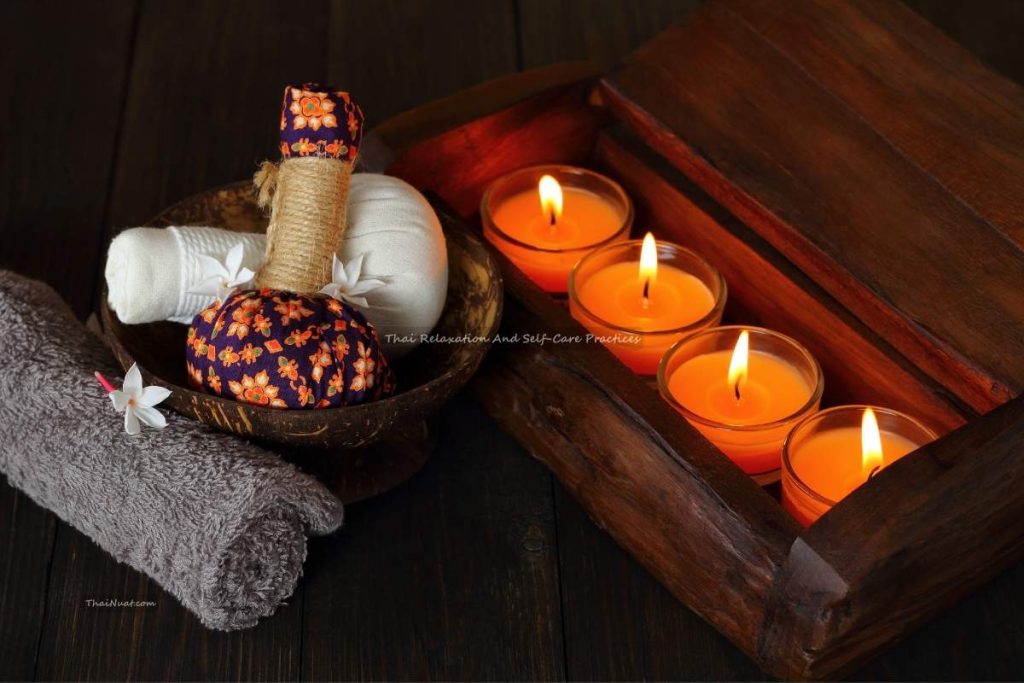
This beginner guide explains Thai Relaxation And Self-Care Practices in a gentle and practical way. It is designed for readers who want to understand Thai wellness, create simple self-care routines, and enjoy relaxation without pressure.
👉 “Readers exploring Thai relaxation and self-care may also find this guide to Medical Cannabis Education For Beginners useful for understanding health information more carefully.”
Why Thai Relaxation And Self-Care Practices Matter
Thai Relaxation And Self-Care Practices matter because many people live with daily stress, screen time, work pressure, travel fatigue, muscle tension, and busy schedules. A simple wellness routine can help create space for rest and recovery.
Thai wellness often focuses on balance, body awareness, touch, warmth, herbs, movement, and calm surroundings. These ideas can support a softer daily rhythm.
Thai Relaxation And Self-Care Practices may help you:
- Slow down after a busy day
- Notice body tension
- Support a calmer evening routine
- Prepare for Thai massage
- Rest after massage
- Enjoy herbal wellness
- Create a peaceful home routine
- Build simple self-care habits
- Reduce mental overload
- Feel more connected to your body
These practices should be gentle. They are not a replacement for medical care, therapy, or professional treatment when those are needed.
Start With A Simple Wellness Mindset
Before choosing any routine, start with a simple mindset: self-care should support you, not pressure you.
Many beginners think wellness must be perfect. They imagine long routines, special rooms, strict schedules, or expensive products. But Thai Relaxation And Self-Care Practices can begin with small steps.
You can start with:
- Five quiet minutes
- A warm foot soak
- Gentle shoulder stretches
- A cup of herbal tea
- A short walk
- Rest after massage
- Turning off screens before bed
- A simple home massage with oil
- A calming evening routine
The goal is not to do everything. The goal is to choose what fits your body, your time, and your lifestyle.
Thai Massage As A Relaxation Practice
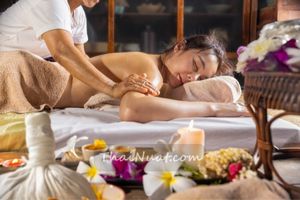
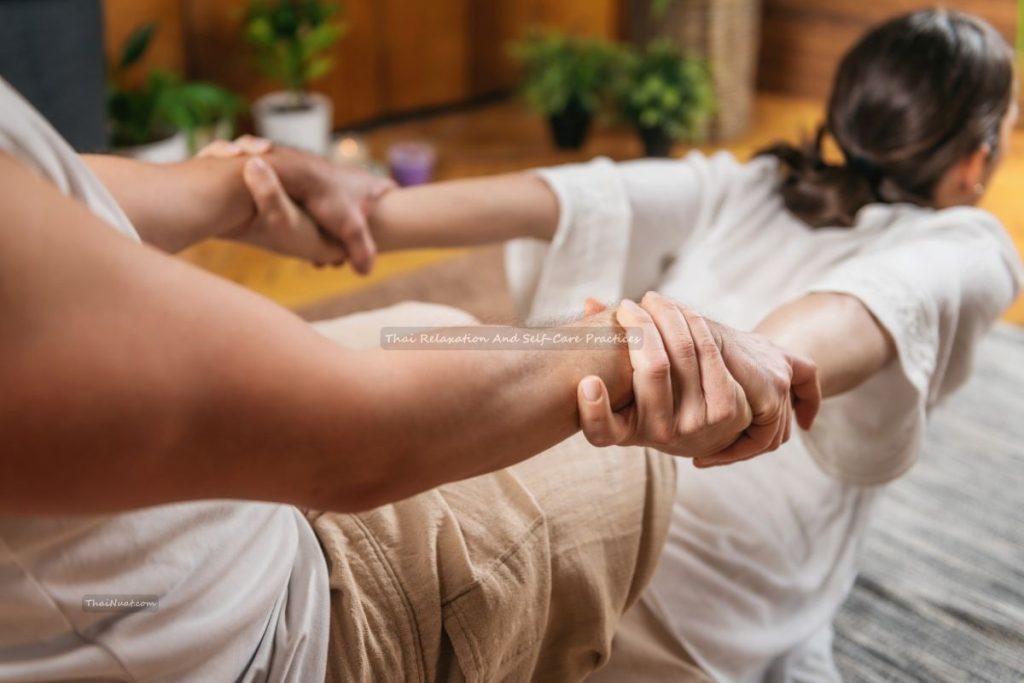
Thai massage is one of the most well-known Thai Relaxation And Self-Care Practices. It may include assisted stretching, pressure, rhythmic movement, and bodywork that helps the body feel more open and relaxed.
People often choose Thai massage for:
- Muscle tension
- Stiffness
- General relaxation
- Body awareness
- Flexibility support
- Stress relief
- Post-travel tiredness
- A calm wellness experience
If you are new to Thai massage, choose a trained therapist and explain your comfort level before the session. You can ask for lighter pressure if needed.
Thai massage should not feel sharp, unsafe, or forced. If anything feels uncomfortable, tell the therapist.
After a massage, give yourself time to rest, drink water, and avoid heavy exercise right away.
Gentle Stretching
Gentle stretching is a simple way to bring Thai wellness into daily life. You do not need to copy advanced yoga poses or strong massage stretches. Beginner stretching should feel comfortable and controlled.
Simple areas to stretch include:
- Neck
- Shoulders
- Upper back
- Wrists
- Hips
- Legs
- Feet
- Ankles
Try stretching slowly while breathing naturally. Avoid bouncing, pushing hard, or forcing the body into a position.
Gentle stretching works well:
- In the morning
- After sitting for a long time
- Before bed
- After a warm shower
- After travel
- After Thai massage, if your body feels ready
Thai Relaxation And Self-Care Practices should help the body feel softer, not strained.
Breathing As Part Of Thai Self-Care
Breathing can be a simple part of Thai relaxation and self-care, especially before massage, after stretching, or during a quiet evening routine. Beginners can start with a few slow breaths and keep the practice gentle.
A simple approach is to sit comfortably, relax the shoulders, breathe in gently, and breathe out slowly. Do not force deep breathing. If you feel dizzy or uncomfortable, stop and return to natural breathing.
Readers who want more detailed step-by-step techniques can also use a separate guide about breathing and relaxation exercises for beginners.
Herbal Foot Soaks
A warm foot soak can be a simple and relaxing Thai-inspired self-care habit. It can help you slow down after walking, standing, travelling, or working.
A basic foot soak may include:
- Warm water
- A clean bowl or basin
- A towel
- Lemongrass
- Kaffir lime leaves
- Ginger slices
- Pandan leaves
- A small amount of salt if suitable
Keep the water warm, not hot. Soak the feet for about ten to fifteen minutes, then dry them carefully.
Avoid foot soaks if you have open wounds, skin infection, serious circulation problems, or a condition where heat is not recommended. Ask a healthcare professional if unsure.
A foot soak is one of the most beginner-friendly Thai Relaxation And Self-Care Practices because it is easy, affordable, and calming.
Thai Herbal Baths
Thai herbal baths can create a peaceful self-care moment at home. Herbs and warm water can make the routine feel relaxing and refreshing.
Common Thai-inspired bath ingredients may include:
- Lemongrass
- Pandan
- Kaffir lime leaves
- Ginger
- Turmeric
- Galangal
- Thai basil
- Jasmine-style scents
- Coconut oil, used carefully
- Herbal bath bags
Keep the bath gentle. Avoid adding too many ingredients at once, especially if you have sensitive skin.
Before using herbs or oils on the skin, test carefully and stop if irritation occurs.
Thai Relaxation And Self-Care Practices should feel soothing, not overwhelming.
Warm Compresses
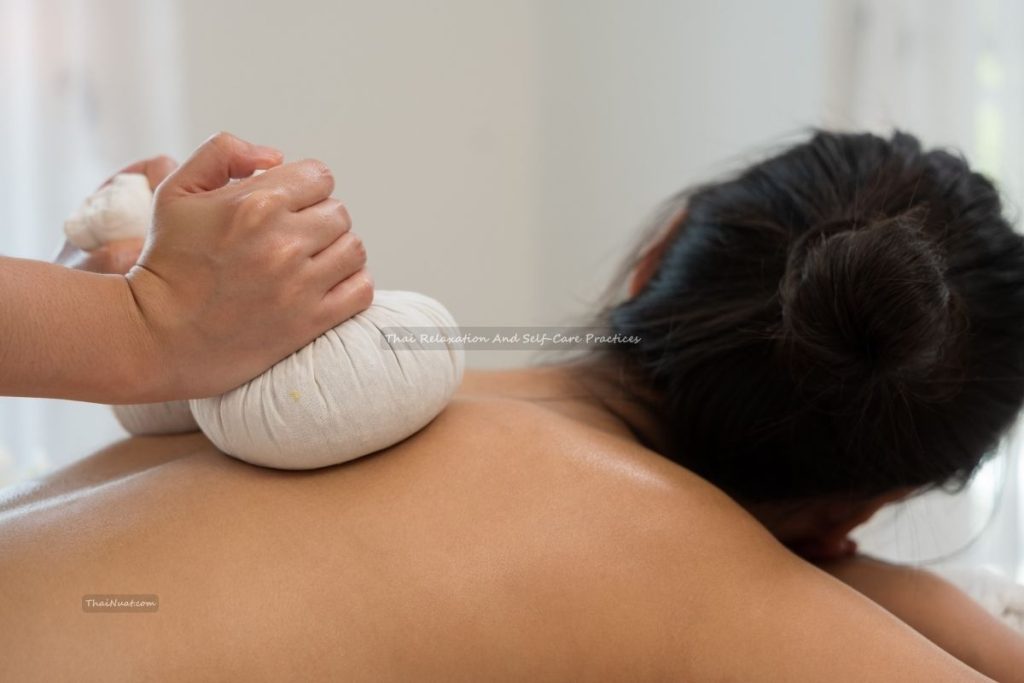
Thai herbal compresses are often used in Thai wellness settings. They usually contain herbs wrapped in cloth and warmed before being applied to the body by trained practitioners.
At home, beginners can use a simpler warm compress approach.
You may use:
- A warm towel
- A warm cloth bag
- A gentle heat pack
- A warm herbal pouch from a trusted source
Apply warmth only for a short time and avoid heat that feels too strong.
Warm compresses may feel comforting on:
- Shoulders
- Upper back
- Lower back
- Feet
- Hands
- Neck, with caution
Do not use strong heat on injured, swollen, numb, or sensitive areas. If you have a medical condition, ask a professional first.
Self-Massage
Self-massage can be a gentle part of daily self-care. You do not need advanced massage skills. Simple touch can help you notice tension and relax.
Beginner self-massage areas include:
- Temples
- Jaw
- Neck
- Shoulders
- Hands
- Feet
- Forearms
- Calves
Use slow, gentle pressure. You can use a small amount of oil or lotion if suitable for your skin.
Try this simple self-massage routine:
- Rub the hands together to warm them
- Massage the shoulders gently
- Press the palms softly
- Circle the temples
- Massage the soles of the feet
- Breathe slowly
Thai Relaxation And Self-Care Practices should never involve painful pressure. Gentle is enough.
Mindful Rest
Rest is an important part of self-care. Many people think relaxation means doing more activities, but sometimes the most useful practice is doing less.
Mindful rest may include:
- Sitting quietly
- Lying down for a few minutes
- Listening to soft music
- Closing your eyes
- Breathing naturally
- Avoiding your phone
- Drinking warm tea
- Noticing the body
This can be especially helpful after Thai massage, herbal bathing, stretching, or a long day.
Thai Relaxation And Self-Care Practices are not only about techniques. They are also about giving yourself permission to pause.
Thai Herbal Tea
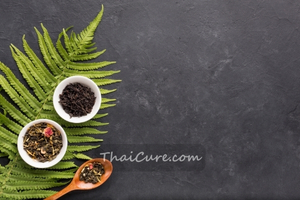
Herbal tea can be part of a calm wellness routine. In Thai-style wellness, herbs such as lemongrass, pandan, ginger, and butterfly pea are often used in drinks.
Simple herbal tea ideas include:
- Lemongrass tea
- Ginger tea
- Pandan tea
- Butterfly pea tea
- Warm water with lime
- Mild herbal blends
Choose gentle drinks and avoid herbs that do not suit your body.
If you are pregnant, taking medication, have a health condition, or are unsure about an herb, ask a healthcare professional before using it regularly.
Thai Relaxation And Self-Care Practices should be safe, simple, and suitable for your situation.
Aromas And Calm Spaces
Scent can affect the feeling of a room. Thai wellness spaces often use calming aromas, soft lighting, clean surroundings, and quiet sounds.
You can create a calm space with:
- Soft lighting
- Clean towels
- Light herbal scent
- Gentle music
- Comfortable mat
- Cushion
- Warm tea
- Phone on silent
- Simple plants
- Fresh air
Common calming scents may include lemongrass, jasmine, pandan, coconut, or kaffir lime.
Use essential oils carefully. They should be diluted properly and kept away from children, pets, eyes, and sensitive skin.
Evening Self-Care Routine
An evening routine is one of the easiest ways to practise Thai Relaxation And Self-Care Practices consistently.
A simple evening routine may include:
- Light stretching
- Warm shower
- Herbal tea
- Foot soak
- Self-massage
- Soft music
- Reduced screen time
- Comfortable clothes
- Early rest
You do not need to do every step. Choose two or three that fit your evening.
For example, you may do a five-minute stretch, drink lemongrass tea, and rest quietly before bed.
Small habits are easier to keep than complicated routines.
Morning Self-Care Routine
Morning self-care can help you begin the day with more balance.
A simple morning routine may include:
- Drinking water
- Gentle neck stretches
- Shoulder rolls
- Light movement
- A short walk
- Quiet tea
- A simple intention for the day
Thai Relaxation And Self-Care Practices are not only for nighttime. A calm morning can also affect the whole day.
Keep the routine short if you are busy. Even three minutes can help.
Self-Care After Thai Massage
After Thai massage, the body may feel relaxed, sleepy, light, tender, or more aware. This is a good time to keep your routine gentle.
Aftercare ideas include:
- Drink water
- Rest quietly
- Avoid intense exercise right away
- Stretch gently if comfortable
- Eat a light meal
- Take a warm shower later
- Notice how your body feels
- Sleep earlier if tired
- Avoid rushing into stressful tasks
If you feel pain, numbness, tingling, dizziness, or unusual discomfort, contact your therapist or a healthcare professional.
Thai Relaxation And Self-Care Practices after massage should support recovery and calm, not add pressure.
Self-Care For Busy People
Busy people often need simple routines more than long ones. If your schedule is full, choose short practices that can fit into real life.
Quick ideas include:
- Three slow breaths
- Shoulder rolls
- Hand massage
- Warm tea
- Five-minute foot soak
- One short stretch
- Screen break
- Quiet music
- Short walk
- Early bedtime
Thai Relaxation And Self-Care Practices do not need to take an hour. They can be small pauses throughout the day.
Consistency matters more than length.
Self-Care For Beginners Who Feel Restless
Some beginners feel restless when they try to relax. This is normal. The mind may feel busy when the body finally slows down.
If you feel restless, try:
- Short sessions
- Gentle movement first
- Walking before sitting
- Soft music
- Foot soak instead of meditation
- Stretching instead of stillness
- Journaling a few thoughts
- Keeping eyes open
- Practising at the same time daily
You do not need to force calm. Let relaxation grow slowly.
Thai Wellness And Everyday Balance
Thai wellness often reflects a sense of balance. It may include bodywork, herbs, food, rest, movement, family care, warm hospitality, and natural ingredients.
You can bring this spirit into daily life through:
- Gentle meals
- Body awareness
- Respect for rest
- Warm baths
- Calm routines
- Herbal practices
- Massage aftercare
- Slow evenings
- Simple movement
- Less rushing
Thai Relaxation And Self-Care Practices are most helpful when they become part of a balanced lifestyle, not only an occasional activity.
Creating A Weekly Self-Care Plan
A weekly plan can help beginners stay consistent.
Try a simple plan like this:
- Monday: gentle stretching
- Tuesday: warm herbal tea and quiet rest
- Wednesday: foot soak
- Thursday: self-massage for hands and shoulders
- Friday: warm bath or shower routine
- Saturday: Thai massage or longer relaxation session
- Sunday: light walk and early bedtime
You can adjust the plan based on your body and schedule.
Do not treat the plan as a rule. Treat it as support.
What To Avoid
Some self-care habits may sound good but can be too strong for beginners.
Avoid:
- Very hot baths
- Overstretching
- Strong pressure on painful areas
- Using too many herbs at once
- Ignoring skin irritation
- Exercising heavily right after massage
- Holding the breath too long
- Forcing meditation
- Copying advanced practices too quickly
- Treating wellness advice as medical treatment
Thai Relaxation And Self-Care Practices should feel safe, simple, and realistic.
Safety Tips For Thai Relaxation And Self-Care Practices
Most beginner practices are gentle, but safety still matters.
Be careful if you:
- Are pregnant
- Have heart concerns
- Have serious skin conditions
- Have breathing problems
- Have injuries
- Take medication
- Have allergies
- Feel dizzy during breathing
- Have severe pain
- Have a medical condition
Ask a qualified healthcare professional if you are unsure.
Stop any practice that causes pain, dizziness, strong discomfort, skin reaction, or unusual symptoms.
Self-care should support your wellbeing, not create risk.
Simple Checklist For Beginners
Use this checklist before starting:
- I have chosen one simple practice
- I feel comfortable
- I am not forcing my body
- I have enough time
- I can stop if needed
- I am using herbs carefully
- I am not ignoring pain
- I am keeping the routine realistic
- I am focusing on gentle progress
- I am not trying to be perfect
This checklist can make Thai Relaxation And Self-Care Practices easier and safer for beginners.
Common Mistakes To Avoid
Doing Too Much At Once
Start with one or two practices instead of trying everything.
Expecting Instant Results
Relaxation improves with repetition and patience.
Using Strong Pressure
Self-massage should be gentle, especially for beginners.
Overusing Herbs
Natural does not always mean suitable for everyone. Use herbs carefully.
Ignoring The Body
If something feels wrong, stop.
Making Self-Care Too Complicated
Simple routines are easier to maintain.
Forgetting Rest
Rest is a real part of wellness.
👉 “Readers who want step-by-step calming techniques may also try these Breathing And Relaxation Exercises For Beginners.”
Conclusion
Thai Relaxation And Self-Care Practices can help beginners create a calmer, softer, and more balanced daily routine. These practices may include Thai massage, gentle stretching, herbal foot soaks, warm baths, warm compresses, self-massage, herbal tea, mindful rest, and simple aftercare.
The best way to begin is slowly. Choose one or two habits that feel realistic. Practise them gently and notice how your body responds.
For thainuat.com readers, Thai Relaxation And Self-Care Practices are not about perfection. They are about creating small moments of rest, comfort, and awareness in everyday life.
With a simple routine, safe choices, and patience, beginners can enjoy Thai wellness in a practical and peaceful way.
FAQ
What Are Thai Relaxation And Self-Care Practices?
Thai Relaxation And Self-Care Practices include gentle wellness habits such as Thai massage, herbal foot soaks, warm baths, stretching, self-massage, herbal tea, and mindful rest.
Are Thai Relaxation And Self-Care Practices Good For Beginners?
Yes. Beginners can start with simple habits such as gentle stretching, warm foot soaks, herbal tea, and quiet rest.
Do I Need A Spa To Practise Thai Self-Care?
No. Many Thai self-care ideas can be practised at home with simple tools such as warm water, a towel, herbal tea, comfortable clothing, and a quiet space.
What Is The Easiest Thai Self-Care Practice To Start With?
A warm foot soak or quiet rest is a simple place to begin. Both are easy, low-cost, and beginner-friendly.
Can I Use Thai Herbs For Relaxation?
Yes, some people use herbs such as lemongrass, pandan, ginger, and kaffir lime in teas, baths, or foot soaks. Use herbs carefully and avoid anything that irritates your skin or body.
Should I Stretch After Thai Massage?
Gentle stretching may feel good after Thai massage, but avoid forcing the body. Rest, hydration, and light movement are usually better than strong stretching.
How Often Should I Practise Self-Care?
You can practise daily or a few times per week. Short, regular routines are often more useful than long routines that are hard to maintain.
Can Thai Relaxation Practices Help With Stress?
They may help many people feel calmer and more aware of body tension. They are not a replacement for professional support if stress feels serious or unmanageable.
Are There Any Safety Concerns?
Yes. Be careful with strong heat, herbs, deep pressure, stretching, and breathing exercises. Stop if you feel pain, dizziness, skin irritation, or strong discomfort.
What Is A Simple Beginner Routine?
A simple routine can include gentle stretching, warm tea, a short foot soak, self-massage, and quiet rest before bed.