



- Introduction
- Why Your First Thai Massage May Feel Different
- Thai Massage Is Not Only About Relaxation
- Choose The Right Type Of Massage
- What To Wear
- Eat Light Before Your Session
- Tell The Therapist About Your Body
- When You Should Avoid Massage
- Pressure Should Be Comfortable
- Breathing Can Help
- What Happens During The Session
- Thai Massage Can Feel Active
- Start With A Shorter Session
- Choose A Clean And Professional Place
- Know The Difference Between Pain And Pressure
- Aftercare Matters
- Mild Soreness Can Happen
- Thai Massage And Flexibility
- Thai Massage For Stress And Tension
- Herbal Compress Massage
- Foot Massage As A Gentle Start
- Common Mistakes To Avoid
- Simple Checklist Before Your First Thai Massage
- Conclusion
- FAQ
- What Should I Know Before My First Thai Massage?
- What Should I Wear For Thai Massage?
- Is Thai Massage Painful?
- Should I Eat Before Thai Massage?
- Can I Ask For Gentle Pressure?
- Is Thai Massage Good For Beginners?
- When Should I Avoid Thai Massage?
- What Should I Do After Thai Massage?
- Is Foot Massage Easier For Beginners?
- What Is The Most Important Tip For A First Thai Massage?
Introduction
Your First Thai Massage can feel exciting, relaxing, and a little unfamiliar. Thai massage is different from many other massage styles because it often includes pressure, stretching, assisted movements, and work along the body through clothes. For beginners, knowing what to expect can make the experience much more comfortable.
Thai massage is part of Thailand’s traditional wellness culture, but it should still be approached with care. A good massage should feel respectful, professional, and suitable for your body. It should not feel unsafe, confusing, or forced.
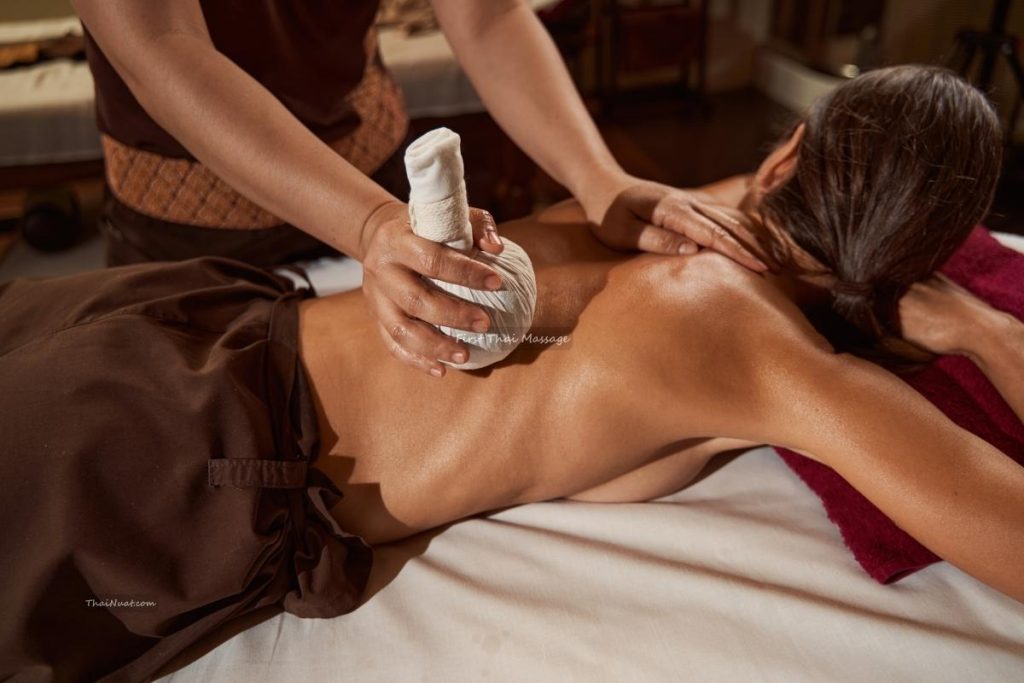
This guide explains what to know before your First Thai Massage, including how to prepare, what to wear, how to communicate, what happens during the session, and when massage may not be the right choice.
👉 “Readers preparing for their first Thai massage may also find this guide to Cannabis And Herbal Wellness Claims useful for understanding wellness information more carefully.”
Why Your First Thai Massage May Feel Different
Your First Thai Massage may feel different from a spa oil massage. Traditional Thai massage is usually done on a mat or firm surface, and the therapist may use hands, thumbs, elbows, knees, or body weight to apply pressure and guide gentle stretches.
A session may include:
- Pressing
- Stretching
- Gentle rocking
- Assisted movement
- Work on legs, arms, back, shoulders, neck, hands, and feet
- Breathing pauses
- Bodyweight pressure
- Relaxation time
Thai massage is often described as active bodywork because the body may be moved into different positions. You do not need to do much, but your body may be guided more than in a simple relaxation massage.
Thai Massage Is Not Only About Relaxation
Many people think massage is only about relaxation. Thai massage can feel relaxing, but it may also feel firm, energising, or deeply stretching.
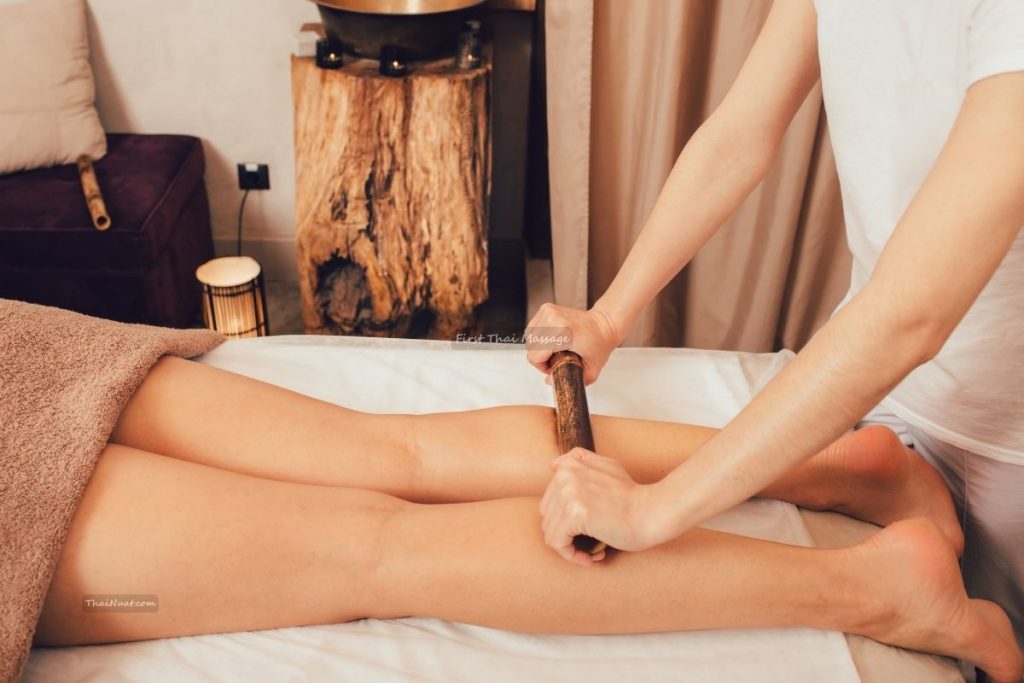
People may choose Thai massage for:
- General relaxation
- Muscle tension
- Stiffness from sitting
- Tired legs
- Shoulder tightness
- Stress relief
- Gentle mobility support
- Body awareness
- A wellness routine
- A traditional Thai experience
However, massage is not a medical cure. It should not replace medical care for serious pain, injury, illness, or unexplained symptoms.
Your First Thai Massage should be treated as a wellness experience, not a guaranteed treatment.
Choose The Right Type Of Massage
Before booking, check what type of massage is offered. Not every Thai massage session is the same.
Common options may include:
- Traditional Thai massage
- Foot massage
- Neck and shoulder massage
- Oil massage
- Aromatherapy massage
- Herbal compress massage
- Thai massage with light pressure
- Thai massage with firm pressure
If you are nervous, tired, sensitive to pressure, or new to massage, you may want to start with a shorter session or ask for gentle pressure.
A foot massage or neck and shoulder massage can also be a simple first step before a full Thai massage.
What To Wear
For a traditional Thai massage, you usually wear comfortable loose clothing. Many massage places provide clean clothes for the session. If not, wear something easy to move in.
Good clothing choices include:
- Loose trousers
- Comfortable shorts
- Soft T-shirt
- Stretchy clothing
- Simple clothing without thick buttons
- Clothing that allows easy movement
Avoid tight jeans, stiff clothing, heavy belts, delicate jewellery, or anything that makes stretching uncomfortable.
For oil massage, the spa will usually explain privacy, towels, and clothing expectations. Choose a professional place where you feel comfortable.
Eat Light Before Your Session
Avoid a heavy meal right before massage. Thai massage may involve stretching and pressure, so a full stomach can feel uncomfortable.
Before your First Thai Massage, it is better to:
- Eat lightly
- Drink water
- Avoid too much alcohol
- Avoid arriving very hungry
- Avoid rushing
- Use the toilet before the session
- Arrive a little early
A calm start helps your body relax.
Tell The Therapist About Your Body
Good communication is important. Before the session starts, tell the therapist about anything that may affect the massage.
Mention:
- Recent injuries
- Surgery
- Pregnancy
- Back problems
- Neck pain
- Shoulder pain
- Knee problems
- High pain sensitivity
- Skin conditions
- Fever
- Dizziness
- Numbness
- Medical conditions
- Areas to avoid
A professional therapist should listen and adjust the session.
If you are not sure whether massage is suitable for you, speak with a qualified healthcare professional first.
When You Should Avoid Massage
Thai massage is not suitable for every situation. You should avoid massage or get medical advice first if you have certain symptoms or conditions.
Be cautious with massage if you have:
- Fever
- Infection
- Fresh injury
- Severe pain
- Unexplained swelling
- Recent surgery
- Blood clot concerns
- Serious heart condition
- Severe osteoporosis
- Skin infection
- Open wounds
- Severe dizziness
- Chest pain
- Breathing problems
- Pregnancy with complications
- Symptoms that are getting worse
If you feel seriously unwell, massage is not the right first step. Medical care should come first.
Pressure Should Be Comfortable
One of the most important things to know before your First Thai Massage is that pressure should be adjusted to your body. Thai massage can be firm, but it should not feel unbearable.
You can say:
- Softer, please
- Lighter pressure, please
- Too strong
- Please stop
- This area hurts
- Avoid this area
- That feels okay
- More gentle, please
You do not need to tolerate painful pressure to be polite. A good therapist will adjust.
Some stretching or pressure may feel intense, but sharp pain, numbness, dizziness, or panic is a sign to speak up immediately.
Breathing Can Help
During Thai massage, slow breathing can help your body relax. When the therapist stretches or presses an area, try not to hold your breath.
Simple breathing tips include:
- Breathe slowly
- Relax your shoulders
- Let your jaw soften
- Avoid tensing your whole body
- Tell the therapist if something is too strong
- Pause when needed
Breathing does not need to be perfect. It simply helps your body feel safer and more relaxed.
What Happens During The Session
Your First Thai Massage may begin with your feet, legs, back, shoulders, arms, hands, or neck depending on the style and length of the session.
A typical session may include:
- Getting changed if needed
- Lying on a mat or massage bed
- Gentle pressure
- Stretching
- Turning from back to side or stomach
- Work on tight areas
- Shoulder or neck focus
- Sitting stretches near the end
- A short quiet finish
The order can vary. Different therapists and massage shops may have different routines.
If you feel confused, it is okay to ask what to do.
Thai Massage Can Feel Active
Unlike some massage styles where you stay still for the whole session, Thai massage may involve more movement. The therapist may gently move your arms, legs, or body into different positions.
This can feel unusual during your First Thai Massage, but it should still feel controlled and respectful.
You can ask for less stretching if:
- You feel nervous
- Your body is stiff
- You have old injuries
- You are tired
- You feel pain
- You prefer a gentler session
The massage should fit your body, not the other way around.
Start With A Shorter Session
If you are new, you do not need to book the longest session. A shorter massage can help you understand the style before choosing a longer one later.
Beginner-friendly options may include:
- Thirty-minute foot massage
- One-hour Thai massage
- Neck and shoulder massage
- Gentle oil massage
- Light-pressure Thai massage
Your First Thai Massage should help you learn what your body likes.
After the first experience, you can decide whether you prefer firm pressure, gentle pressure, foot massage, oil massage, or herbal compress.
Choose A Clean And Professional Place
Choosing the right place matters. A good massage shop or spa should feel clean, respectful, and clear about prices and services.
Look for:
- Clean rooms
- Clear price list
- Professional staff
- Comfortable environment
- Clean towels or clothing
- Good communication
- No pressure to buy extras
- Respectful behaviour
- Calm atmosphere
- Clear service options
Avoid places that feel unsafe, unclear, too pushy, or uncomfortable.
A professional setting helps make your First Thai Massage more relaxing.
Know The Difference Between Pain And Pressure
Thai massage may involve firm pressure, but there is a difference between good pressure and harmful pain.
Normal firm pressure may feel:
- Deep
- Strong
- Warm
- Stretching
- Slightly uncomfortable but manageable
- Releasing after a few seconds
Warning signs may include:
- Sharp pain
- Electric-like pain
- Numbness
- Tingling
- Dizziness
- Nausea
- Panic
- Pain that keeps increasing
- Pain in an injured area
Speak up if you feel warning signs. Do not wait until the session ends.
Aftercare Matters
After your First Thai Massage, your body may feel relaxed, sleepy, warm, loose, or slightly tender. This can be normal, especially if the massage was firm.
Simple aftercare includes:
- Drink water
- Rest if tired
- Avoid heavy exercise right away
- Eat a light meal
- Take a warm shower if comfortable
- Notice how your body feels
- Sleep well
- Avoid alcohol immediately after
- Stretch gently only if it feels good
If pain is strong, unusual, or continues, seek professional advice.
Mild Soreness Can Happen
Some people feel mild soreness after Thai massage, especially if they are new to bodywork or had strong pressure. This should usually feel mild and temporary.
To reduce discomfort:
- Choose lighter pressure next time
- Drink water
- Rest
- Avoid intense exercise
- Use gentle movement
- Tell the therapist about sensitive areas
Massage should not leave you feeling injured. Strong pain is not a sign of a better massage.
Thai Massage And Flexibility
You do not need to be flexible to enjoy Thai massage. The therapist should adjust stretches to your body.
If you are stiff, say so before the session. Thai massage can still be gentle and supportive.
A good therapist should not force your body into positions that feel unsafe.
Your First Thai Massage should help you feel more aware of your body, not embarrassed by it.
Thai Massage For Stress And Tension
Many people choose Thai massage because they feel stressed, tired, or tense. The quiet setting, touch, stretching, and slower pace can help create a sense of relaxation.
To get more from the session:
- Turn off phone notifications
- Arrive early
- Breathe slowly
- Avoid rushing after the massage
- Choose a quiet time of day
- Communicate pressure clearly
- Let the therapist know your main tension areas
A massage session can be a helpful pause in a busy lifestyle.
Herbal Compress Massage
Some Thai massage places offer herbal compress treatments. A herbal compress is usually a warm cloth bundle filled with herbs and applied to the body.
This can feel soothing, but it may not be suitable for everyone.
Be careful if you have:
- Sensitive skin
- Allergies
- Pregnancy
- Skin irritation
- Burns
- Open wounds
- Heat sensitivity
- Certain medical conditions
Ask what herbs are used and tell the therapist if the compress feels too hot.
Foot Massage As A Gentle Start
If a full Thai massage feels intimidating, foot massage can be a good first step. It is usually done while sitting or reclining and may feel easier for beginners.
Foot massage may include:
- Pressure on feet
- Calf massage
- Gentle stretching
- Relaxation
- Sometimes shoulder or head massage near the end
Tell the therapist if the pressure is too strong. Feet can be sensitive.
A foot massage can help you experience Thai massage culture in a simple way.
Common Mistakes To Avoid
Many beginners make simple mistakes before their First Thai Massage.
Avoid:
- Eating a heavy meal right before
- Staying silent when pressure is too strong
- Choosing the longest session first
- Hiding injuries
- Expecting the same style as oil massage
- Wearing uncomfortable clothing
- Arriving rushed
- Booking massage when sick
- Ignoring medical concerns
- Thinking pain means the massage is better
- Forgetting aftercare
- Comparing your body to others
A better experience starts with preparation and communication.
Simple Checklist Before Your First Thai Massage
Use this checklist before your session:
- I chose a clean and professional place
- I know what type of massage I booked
- I wore comfortable clothing
- I avoided a heavy meal
- I drank water
- I told the therapist about injuries or concerns
- I asked for gentle pressure if needed
- I know I can speak up
- I will stop if I feel sharp pain or dizziness
- I planned time to rest afterward
- I understand massage is not medical treatment
This simple checklist can make your First Thai Massage safer and more comfortable.
👉 Readers preparing for their first Thai massage may also find these Thai Massage Aftercare Tips For Beginners helpful for knowing what to do after a session.”
Conclusion
Your First Thai Massage can be a relaxing and memorable introduction to Thai wellness culture. It may include pressure, stretching, movement, and bodywork that feel different from other massage styles. Knowing what to expect helps you feel more comfortable and confident.
The most important tips are simple: choose a professional place, wear comfortable clothing, avoid a heavy meal, share health concerns, communicate pressure clearly, and rest afterward.
For thainuat.com readers, Thai massage should feel respectful, safe, and suited to your body. It is not about tolerating pain or forcing flexibility. It is about creating a supportive wellness experience with clear communication and realistic expectations.
With good preparation, your First Thai Massage can be a gentle and positive step into Thai relaxation and traditional wellness.
FAQ
What Should I Know Before My First Thai Massage?
Before your First Thai Massage, know that it may include pressure, stretching, and movement through clothing. Wear comfortable clothes, communicate clearly, and tell the therapist about health concerns.
What Should I Wear For Thai Massage?
Wear loose, comfortable clothing. Many massage places provide clean clothes for traditional Thai massage.
Is Thai Massage Painful?
Thai massage can feel firm, but it should not feel sharply painful or unsafe. Ask for lighter pressure if needed.
Should I Eat Before Thai Massage?
It is better to eat lightly and avoid a heavy meal right before massage.
Can I Ask For Gentle Pressure?
Yes. You can ask for gentle pressure at any time. A professional therapist should adjust.
Is Thai Massage Good For Beginners?
Yes, Thai massage can be good for beginners if the pressure is suitable and the therapist understands your comfort level.
When Should I Avoid Thai Massage?
Avoid massage if you have fever, infection, fresh injury, severe pain, recent surgery, serious medical concerns, or symptoms that need medical care.
What Should I Do After Thai Massage?
Drink water, rest, avoid heavy exercise right away, and notice how your body feels.
Is Foot Massage Easier For Beginners?
Yes. Foot massage can be a gentle first step if a full Thai massage feels too unfamiliar.
What Is The Most Important Tip For A First Thai Massage?
The most important tip is to communicate. Tell the therapist about pain, pressure, injuries, and comfort throughout the session.