


- Introduction
- Why Thai Herbs Can Support A Calming Routine
- Important Safety Note
- Lemongrass
- Pandan Leaves
- Kaffir Lime Leaves
- Thai Basil
- Ginger
- Galangal
- Turmeric
- Mint
- Coriander
- Butterfly Pea Flower
- Simple Thai Herbal Tea Routine
- Simple Thai Herbal Foot Soak
- Simple Herbal Bath Ideas
- Herbal Steam And Aroma
- Cooking With Thai Herbs For Calm
- Growing Thai Herbs At Home
- Creating A Simple Daily Routine
- Thai Herbs For A Calming Home Atmosphere
- Pairing Herbs With Other Stress Relief Habits
- When To Be Careful With Herbs
- Essential Oils And Safety
- Common Mistakes To Avoid
- Simple Beginner Herb List
- Simple Weekly Herb Plan
- Conclusion
- FAQ
- What Are The Best Thai Herbs For Everyday Stress Relief?
- Can Thai Herbs Cure Stress Or Anxiety?
- What Is The Easiest Thai Herb Tea For Beginners?
- Can I Use Thai Herbs Every Day?
- Are Thai Herbs Safe For Children?
- Can I Use Essential Oils For Stress Relief?
- How Can I Use Lemongrass For Relaxation?
- What Thai Herbs Are Good For A Calming Bath?
- Can I Grow Thai Herbs At Home?
- How Should I Store Fresh Thai Herbs?
Introduction
Everyday stress can come from work, family responsibilities, travel, screens, busy schedules, poor sleep, and constant mental pressure. While herbs cannot remove every problem, simple calming routines can help create small moments of rest during the day.
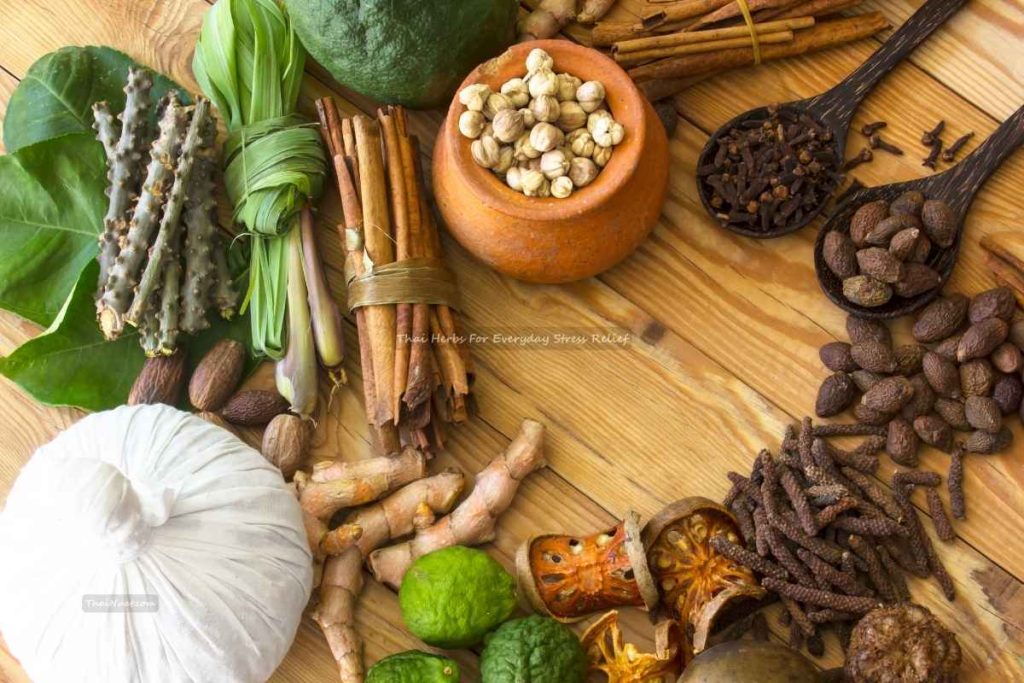
Thai Herbs For Everyday Stress Relief can be used in gentle wellness habits such as herbal tea, warm foot soaks, steam, baths, cooking, and relaxing home routines. In Thailand, herbs such as lemongrass, pandan, kaffir lime leaves, ginger, galangal, turmeric, and Thai basil are often used in food, drinks, massage products, and traditional wellness settings.
This guide focuses on simple, safe, beginner-friendly ways to enjoy Thai herbs as part of a calming lifestyle. It does not replace medical care, therapy, prescribed medicine, or professional advice. If stress, anxiety, sleep problems, or low mood feel severe or long-lasting, it is best to speak with a qualified healthcare professional.
👉 “Readers learning about Thai herbs and wellness should also understand the importance of How To Review Medicinal Cannabis Product Information.”
Why Thai Herbs Can Support A Calming Routine
Thai Herbs For Everyday Stress Relief are useful because they can help turn ordinary moments into intentional pauses. The act of preparing tea, smelling fresh herbs, taking a warm bath, or cooking a simple herbal meal can become part of a slower routine.
Thai herbs may support relaxation through:
- Warm drinks
- Pleasant aromas
- Gentle cooking rituals
- Foot soaks
- Bath routines
- Massage oils or balms
- Steam and herbal compress-style routines
- Mindful breathing
- Evening wind-down habits
- Screen-free breaks
The benefit is not only the herb itself. The routine matters too. Slowing down, breathing deeply, and creating a peaceful environment can make a big difference in how the body and mind feel.
Important Safety Note
Thai Herbs For Everyday Stress Relief should be used with care. Natural does not always mean safe for everyone.
Before using herbs regularly, be careful if you:
- Are pregnant
- Are breastfeeding
- Have allergies
- Take prescription medicine
- Have a medical condition
- Have liver, kidney, heart, or blood pressure concerns
- Are preparing herbs for children
- Plan to use essential oils
- Have sensitive skin
- Are using herbs in concentrated forms
Herbal teas, food amounts, and gentle aromas are different from strong extracts, supplements, or essential oils. Concentrated products can be stronger and may not be suitable for everyone.
If unsure, ask a doctor, pharmacist, qualified herbal practitioner, or healthcare professional.
Lemongrass
Lemongrass is one of the most familiar Thai herbs. It has a fresh citrus aroma and is used in soups, teas, curries, herbal drinks, and wellness products.
For everyday stress relief, lemongrass is popular because its scent feels clean, bright, and calming.
Simple ways to use lemongrass include:
- Lemongrass tea
- Lemongrass in soup
- Lemongrass steam aroma
- Lemongrass foot soak
- Lemongrass bath routine
- Lemongrass in homemade herbal drinks
To make a simple lemongrass tea, lightly crush fresh lemongrass stalks, simmer or steep them in hot water, then strain. Drink it warm in the evening or during a quiet break.
Avoid making it too strong at first. Start with a mild tea and see how your body responds.
Pandan Leaves
Pandan leaves are common in Thai desserts, drinks, rice dishes, and herbal beverages. They have a soft, sweet, grassy aroma that many people find comforting.
Pandan is a good choice for people who prefer a gentle scent rather than a sharp or spicy herb.
Simple ways to use pandan include:
- Pandan tea
- Pandan water
- Pandan with warm milk
- Pandan in rice
- Pandan dessert aroma
- Pandan in a warm foot soak
A simple pandan drink can be made by simmering clean pandan leaves in water, then cooling or drinking warm.
Pandan works well in an evening routine because the aroma feels soft and relaxing.
Kaffir Lime Leaves
Kaffir lime leaves are used in Thai soups, curries, stir-fries, herbal steam, and aromatic wellness products. Their scent is citrusy, fresh, and uplifting.
For Thai Herbs For Everyday Stress Relief, kaffir lime leaves are useful when you want a refreshing aroma during a tired or heavy day.
Simple ways to use kaffir lime leaves include:
- Adding them to soup
- Using them in herbal steam
- Infusing them in warm water for scent
- Adding them to a foot soak
- Pairing them with lemongrass
- Using them in a kitchen aroma routine
Kaffir lime leaves are usually not eaten whole because they can be tough. They are often torn or sliced to release aroma, then removed or finely shredded for certain dishes.
Thai Basil
Thai basil has a sweet, peppery aroma and is used in many Thai dishes. It is especially common in stir-fries, curries, and noodle dishes.
Thai basil may support relaxation indirectly because it adds freshness to meals and makes simple cooking feel more enjoyable.
Simple ways to use Thai basil include:
- Adding it to stir-fried chicken or tofu
- Adding it to curry near the end
- Using it in fresh salads
- Pairing it with mint and coriander
- Adding it to warm herbal water for aroma
- Growing it at home for fresh leaves
Cooking with fresh herbs can become part of a mindful daily routine. Washing, tearing, and smelling herbs before cooking can help slow down the moment.
Ginger
Ginger is widely used in Thai cooking and drinks. It has a warm, spicy flavour and is often used in soups, teas, stir-fries, and desserts.
Ginger is a good choice for a warming routine, especially in the evening or after a long day.
Simple ways to use ginger include:
- Ginger tea
- Ginger with honey and lime
- Ginger in soup
- Ginger in stir-fries
- Ginger foot soak
- Warm ginger drink after meals
To make ginger tea, slice fresh ginger and steep it in hot water. Add lime or honey if desired.
Ginger can taste strong, so beginners should start with a small amount.
Galangal
Galangal is related to ginger but has a sharper, more citrusy, earthy flavour. It is used in Thai soups, curry pastes, herbal recipes, and traditional cooking.
For everyday wellness, galangal is best used in food rather than strong herbal preparations.
Simple ways to use galangal include:
- Tom kha soup
- Curry paste
- Herbal soup
- Warm broth
- Cooking aroma
- Gentle herbal steam blends
Galangal can be tough, so it is often sliced and simmered for flavour rather than eaten in large pieces.
It is a useful herb for people who enjoy cooking as a calming activity.
Turmeric
Turmeric is used in Thai food, herbal drinks, curry pastes, and wellness routines. It has a warm yellow colour and earthy flavour.
Turmeric can be used in small amounts in daily cooking.
Simple ways to use turmeric include:
- Yellow curry
- Turmeric rice
- Warm turmeric drink
- Soup
- Stir-fried vegetables
- Herbal cooking blends
Turmeric can stain surfaces, clothes, and hands, so handle it carefully.
People taking certain medicines or managing health conditions should ask a healthcare professional before using turmeric supplements or strong turmeric preparations.
Mint
Mint is not always the first herb people think of in Thai cooking, but it appears in many Thai salads and fresh dishes. It has a cool, refreshing aroma.
Mint is useful for a light, fresh relaxation routine.
Simple ways to use mint include:
- Mint tea
- Mint in salads
- Mint with lime water
- Mint and cucumber water
- Mint in a foot soak
- Mint with lemongrass tea
Mint works well when you want something refreshing rather than warm or spicy.
Coriander
Coriander is used in Thai soups, salads, sauces, and garnishes. The leaves, roots, and seeds may all be used in different ways.
For stress relief routines, coriander is not usually used alone. It is more useful as part of fresh cooking.
Simple ways to use coriander include:
- Adding it to soup
- Adding it to salad
- Using it in dipping sauces
- Pairing it with lime
- Adding it to rice bowls
- Using it as a fresh garnish
A colourful, fresh meal can be part of a calming daily routine, especially when eaten slowly and away from screens.
Butterfly Pea Flower
Butterfly pea flower is used in Thai drinks and desserts. It creates a blue colour that changes when lime is added.
It is popular because it looks beautiful and feels soothing as part of a slow drink routine.
Simple ways to use butterfly pea flower include:
- Butterfly pea tea
- Iced butterfly pea drink
- Butterfly pea with lime
- Herbal mocktail-style drinks
- Colourful family-friendly drinks
The visual experience can make the drink feel special. Preparing it slowly can be part of a relaxing afternoon habit.
Simple Thai Herbal Tea Routine
A herbal tea routine is one of the easiest ways to use Thai Herbs For Everyday Stress Relief.
Beginner-friendly tea ideas include:
- Lemongrass tea
- Pandan tea
- Ginger tea
- Mint tea
- Butterfly pea tea
- Lemongrass and pandan tea
- Ginger and lime tea
- Kaffir lime leaf aroma tea
Simple routine:
Boil water. Add herbs. Steep gently. Strain. Sit down without rushing. Drink slowly. Breathe deeply.
The quiet moment is just as important as the tea.
Avoid very strong teas at first, especially if you are sensitive to herbs.
Simple Thai Herbal Foot Soak
A warm foot soak can be a calming evening habit.
Possible herbs for a gentle foot soak include:
- Lemongrass
- Pandan
- Kaffir lime leaves
- Ginger
- Mint
Simple method:
Add clean herbs to warm water. Let the aroma release. Soak feet for a short, comfortable time. Dry feet well afterward.
Keep the water warm, not hot.
Do not use foot soaks on broken skin, irritated skin, or infections. People with diabetes, circulation problems, or reduced skin sensation should ask a healthcare professional before using warm foot soaks.
Simple Herbal Bath Ideas
A warm bath with Thai herbs can feel relaxing, but it should be gentle.
Possible bath herbs include:
- Lemongrass
- Pandan
- Kaffir lime leaves
- Mint
- Ginger in small amounts
Use clean herbs and avoid strong essential oils directly on skin.
If you have sensitive skin, test carefully and stop if irritation occurs.
A bath routine can be paired with soft lighting, quiet music, deep breathing, and no phone use.
Herbal Steam And Aroma
Thai herbs are often appreciated for their aroma. You can create a simple steam-style aroma at home with care.
Possible herbs include:
- Lemongrass
- Kaffir lime leaves
- Pandan
- Ginger
- Mint
Add herbs to hot water and let the scent rise. Keep your face safely away from hot steam to avoid burns.
Do not use steam if it makes breathing uncomfortable. People with asthma, breathing problems, or sensitive skin should be careful and seek advice if unsure.
Cooking With Thai Herbs For Calm
Cooking can be calming when done slowly. Washing herbs, chopping ingredients, smelling fresh leaves, and preparing a simple meal can create a relaxing rhythm.
Easy Thai herb cooking ideas include:
- Lemongrass soup
- Ginger chicken soup
- Thai basil stir-fry
- Turmeric rice
- Pandan rice
- Kaffir lime curry
- Fresh herb salad
- Mint and cucumber salad
Thai Herbs For Everyday Stress Relief do not need to be used only in teas or baths. Simple cooking can also support a calmer lifestyle.
Growing Thai Herbs At Home
Growing herbs can be relaxing in itself. A small herb pot on a balcony, kitchen window, or garden can create a daily calming habit.
Herbs that may be grown at home include:
- Lemongrass
- Thai basil
- Mint
- Coriander
- Pandan in suitable climates
- Kaffir lime in pot-friendly conditions
Growing herbs gives you fresh leaves and a small routine of watering, trimming, and caring for plants.
This can be a peaceful habit for people who enjoy slow daily tasks.
Creating A Simple Daily Routine
A good routine does not need to be complicated.
A simple Thai herb routine may look like this:
Morning:
- Ginger tea or pandan water
- Short breathing break
- Fresh herbs added to breakfast or lunch
Afternoon:
- Mint or butterfly pea drink
- Short walk
- Screen break
Evening:
- Lemongrass tea
- Warm foot soak
- Light stretching
- Quiet bedtime routine
The goal is consistency, not perfection.
Thai Herbs For A Calming Home Atmosphere
A calming home atmosphere can support everyday stress management.
Simple ideas include:
- Simmering pandan leaves gently for aroma
- Keeping fresh Thai basil in the kitchen
- Making lemongrass tea in the evening
- Using kaffir lime leaves in cooking
- Preparing a mint and lime drink
- Keeping herbs visible in small pots
- Creating a no-phone tea break
- Pairing herbal routines with breathing exercises
Thai Herbs For Everyday Stress Relief work best when combined with calm habits.
Pairing Herbs With Other Stress Relief Habits
Herbs can support a relaxation routine, but they are only one part of stress care.
Helpful habits include:
- Better sleep routine
- Gentle exercise
- Walking
- Breathing exercises
- Stretching
- Journaling
- Reducing screen time
- Drinking enough water
- Eating regular meals
- Talking to someone trusted
- Taking breaks during work
- Spending time outdoors
Herbs can make these habits feel more pleasant, but they should not be the only tool for managing serious stress.
When To Be Careful With Herbs
Be careful when using herbs if you:
- Have allergies
- Are pregnant or breastfeeding
- Take medication
- Have chronic health conditions
- Have skin sensitivity
- Are using essential oils
- Are preparing herbs for babies or children
- Have stomach irritation
- Have breathing problems
- Plan to use strong herbal extracts
Food amounts are usually different from medicinal doses. Strong herbal supplements should be treated carefully.
When in doubt, ask a healthcare professional.
Essential Oils And Safety
Some people use lemongrass, kaffir lime, basil, mint, or ginger essential oils for aroma. Essential oils are concentrated and should be used carefully.
Basic safety tips:
- Do not drink essential oils
- Do not apply undiluted oils to skin
- Keep oils away from children and pets
- Avoid eyes and sensitive areas
- Use only a few drops in a diffuser
- Stop if you feel irritation, headache, nausea, or breathing discomfort
- Ask a professional if pregnant, breastfeeding, or medically vulnerable
Fresh herbs are gentler for beginners than essential oils.
Common Mistakes To Avoid
Expecting Herbs To Fix Everything
Herbs may support relaxation routines, but they do not solve every cause of stress.
Using Too Much Too Soon
Start with small amounts and gentle routines.
Ignoring Allergies
Stop using any herb that causes itching, rash, swelling, stomach upset, breathing discomfort, or other concerning symptoms.
Using Strong Extracts Without Advice
Supplements and concentrated oils can be powerful.
Drinking Strong Herbal Tea All Day
Use moderation and variety.
Forgetting The Routine
A calm setting, slow breathing, and rest are part of the benefit.
Replacing Medical Care
Do not replace professional care with herbs if symptoms are serious or ongoing.
Simple Beginner Herb List
Here are easy Thai herbs and plants to start with:
- Lemongrass for tea, soups, and aroma
- Pandan for soft herbal drinks
- Kaffir lime leaves for cooking and refreshing scent
- Ginger for warm tea and soups
- Thai basil for cooking
- Mint for cooling drinks and salads
- Turmeric for cooking
- Galangal for soups and curry pastes
- Butterfly pea flower for colourful tea
Start with one or two herbs rather than buying many at once.
Simple Weekly Herb Plan
Here is a gentle weekly idea for Thai Herbs For Everyday Stress Relief:
Monday:
- Lemongrass tea after dinner
Tuesday:
- Thai basil in a simple stir-fry
Wednesday:
- Pandan water or pandan tea
Thursday:
- Ginger tea after a busy day
Friday:
- Mint and lime drink
Saturday:
- Warm herbal foot soak
Sunday:
- Simple Thai soup with lemongrass or galangal
This plan is flexible. Change it based on taste, weather, and personal comfort.
👉 “Readers interested in stress relief with Thai herbs may also find this practical guide to Herbal Compresses In Thai Wellness.”
Conclusion
Thai Herbs For Everyday Stress Relief can be a gentle way to build calmer daily routines. Herbs such as lemongrass, pandan, kaffir lime leaves, Thai basil, ginger, galangal, mint, turmeric, and butterfly pea flower can be used in teas, cooking, foot soaks, baths, and relaxing home rituals.
The most important idea is not to treat herbs as a quick cure. Instead, use them as part of a balanced routine that includes rest, sleep, movement, hydration, mindful breaks, and support when needed.
Start small. Choose one herb, make a simple tea, cook a fresh meal, or create a quiet evening foot soak.
With safe use and realistic expectations, Thai Herbs For Everyday Stress Relief can help make everyday life feel a little calmer, warmer, and more intentional.
FAQ
What Are The Best Thai Herbs For Everyday Stress Relief?
Popular Thai Herbs For Everyday Stress Relief include lemongrass, pandan, kaffir lime leaves, Thai basil, ginger, galangal, mint, turmeric, and butterfly pea flower.
Can Thai Herbs Cure Stress Or Anxiety?
No. Thai herbs should not be treated as a cure for stress or anxiety. They can support calming routines, but serious or long-lasting symptoms should be discussed with a healthcare professional.
What Is The Easiest Thai Herb Tea For Beginners?
Lemongrass tea is one of the easiest options. Slice or crush fresh lemongrass, steep it in hot water, strain, and drink it warm.
Can I Use Thai Herbs Every Day?
Some herbs can be used in normal food or mild tea routines, but moderation is important. If you have health conditions, allergies, pregnancy, or take medication, ask a healthcare professional.
Are Thai Herbs Safe For Children?
Some herbs used in food amounts may be fine for children, but strong teas, supplements, essential oils, or concentrated remedies should be used carefully. Ask a healthcare professional if unsure.
Can I Use Essential Oils For Stress Relief?
Essential oils can be used for aroma, but they are concentrated. Do not drink them or apply them undiluted to skin. Keep them away from children and pets.
How Can I Use Lemongrass For Relaxation?
You can use lemongrass in tea, soup, herbal steam aroma, foot soaks, or simple evening routines.
What Thai Herbs Are Good For A Calming Bath?
Gentle options may include lemongrass, pandan, kaffir lime leaves, mint, or a small amount of ginger. Avoid strong essential oils directly on skin.
Can I Grow Thai Herbs At Home?
Yes. Lemongrass, Thai basil, mint, coriander, and some kaffir lime plants can be grown at home depending on climate, space, and care.
How Should I Store Fresh Thai Herbs?
Fresh herbs are usually best stored clean and dry in the refrigerator, wrapped lightly or placed in a container. Dried herbs should be kept in airtight containers away from heat, light, and moisture.