



- Introduction
- What Is Thai Massage?
- How Thai Massage Fits Into Wellness Therapy
- What Happens During A Thai Massage Session?
- The Role Of Pressure In Thai Massage
- Assisted Stretching And Mindful Movement
- Potential Benefits Of Thai Massage In Wellness Therapy
- Thai Massage Compared With Oil Massage
- Who May Enjoy Thai Massage?
- When Thai Massage May Not Be Suitable
- How To Choose A Thai Massage Practitioner
- How To Prepare For Your Session
- Communication During The Massage
- What To Do After Thai Massage
- How Often Should You Receive Thai Massage?
- Can Thai Massage Be Combined With Other Wellness Practices?
- Common Misunderstandings About Thai Massage
- Creating A Positive First Experience
- Conclusion
- FAQ
- What Is Thai Massage In Wellness Therapy?
- Do I Keep My Clothes On During Thai Massage?
- Is Thai Massage Painful?
- Do I Need To Be Flexible?
- How Long Does A Thai Massage Session Last?
- Is Thai Massage Suitable During Pregnancy?
- Can Thai Massage Treat Chronic Pain?
- How Often Can I Receive Thai Massage?
- Should I Eat Before Thai Massage?
- What Should I Do If The Pressure Is Too Strong?
Introduction
Easy Guide To Thai Massage In Wellness Therapy
Thai massage is one of Thailand’s best-known traditional wellness practices. It combines pressure, assisted stretching, mindful movement, and periods of rest to create a distinctive form of bodywork.
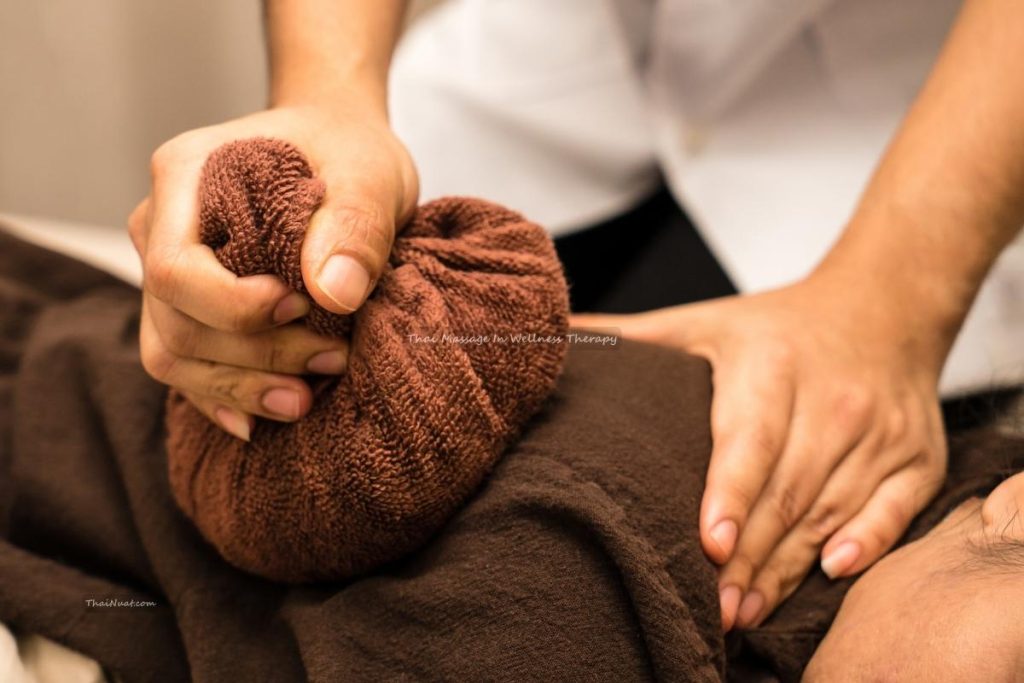
Unlike many oil-based massages, traditional Thai massage is commonly performed while the client remains fully clothed. The practitioner may use the hands, thumbs, palms, forearms, elbows, knees, or feet to apply controlled pressure and guide the body through comfortable stretches.
Thai massage in wellness therapy is generally used to support relaxation, mobility, body awareness, and relief from everyday physical tension. It should not be viewed as a cure for illness or a replacement for appropriate medical care.
This guide explains how Thai massage fits into wellness therapy, what beginners can expect, the techniques commonly used, and the safety points to consider before booking a session.
👉 “When wellness discussions involve a medical topic, readers may also find it useful to learn about Preparing Medicinal Cannabis Health Information.”
What Is Thai Massage?
Thai massage is a traditional form of bodywork that developed in Thailand through the influence of local healing traditions, Buddhist culture, and regional medical knowledge.
A typical session combines rhythmic pressure with assisted movements and stretches. Rather than focusing on only one muscle group, the practitioner may work across the entire body.
Traditional sessions are often performed on a firm floor mat instead of a raised massage table. Clients usually wear loose, comfortable clothing, and oils are not always used.
Thai massage in wellness therapy can range from gentle and calming to more active and physically engaging. The intensity should always be adjusted according to the client’s comfort, mobility, age, and health.
How Thai Massage Fits Into Wellness Therapy
Wellness therapy is a broad term that includes practices intended to support relaxation, self-care, physical comfort, and healthy routines.
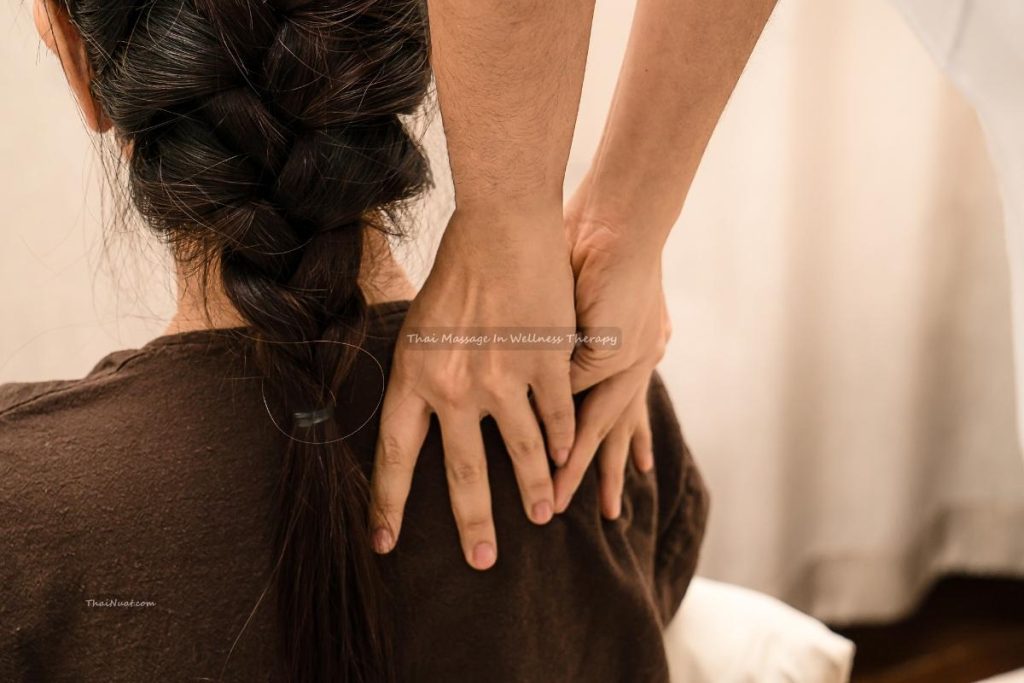
Thai massage fits into this area because it combines touch, movement, breathing, and rest. Rather than simply rubbing the surface of the skin, the session may involve compression, stretching, joint movement, and changes in body position.
People may include Thai massage in wellness therapy for several reasons:
- To relax after stressful periods
- To address mild everyday muscle tension
- To support flexibility and comfortable movement
- To become more aware of posture and physical habits
- To enjoy quiet time away from work and screens
- To complement a broader wellness routine
The experience varies from person to person. Some clients prefer a gentle relaxation session, while others enjoy stronger pressure and more active stretching.
A qualified practitioner should discuss these preferences before beginning.
What Happens During A Thai Massage Session?
Before the session, the practitioner may ask about your health, recent injuries, areas of discomfort, pressure preferences, and previous massage experience.
You may then be asked to change into loose clothing provided by the spa or wear your own comfortable clothes.
During Thai massage in wellness therapy, the practitioner may guide you into different positions, including lying on your back, stomach, or side. Some sessions may also include seated techniques.
The practitioner may use:
- Slow palm pressure
- Thumb pressure
- Gentle rocking
- Muscle compression
- Assisted leg and arm stretches
- Shoulder and hip movements
- Light joint mobilisation
- Quiet pauses between techniques
A session should feel controlled and responsive. Strong pressure may feel intense, but it should not feel sharp, frightening, or damaging.
You should always tell the practitioner if you need less pressure, a smaller stretch, a different position, or a break.
The Role Of Pressure In Thai Massage
Pressure is a central part of traditional Thai bodywork. Practitioners often press along broad areas of muscle using their palms, thumbs, forearms, or other parts of the body.
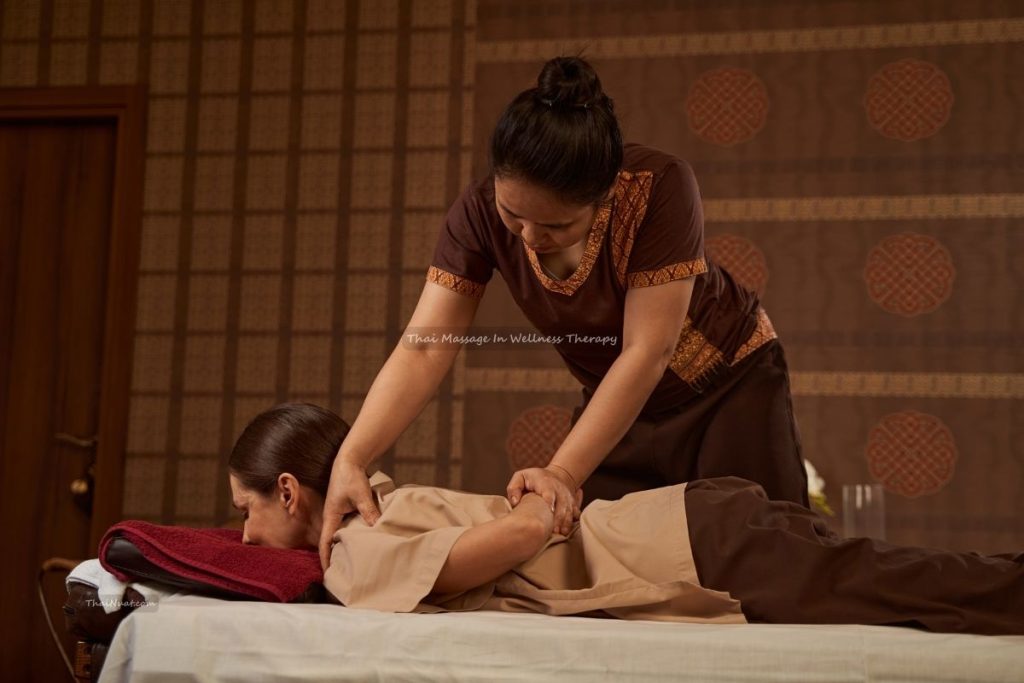
The aim is not to cause pain. Controlled pressure may help a person notice areas of tightness and gradually relax during the session.
Pressure should be adjusted for sensitive areas, previous injuries, age, body type, and personal preference.
In Thai massage in wellness therapy, communication is essential. One client may enjoy firm compression, while another may benefit more from light and steady pressure.
A skilled practitioner does not assume that stronger pressure is always better.
Assisted Stretching And Mindful Movement
Thai massage is sometimes informally described as passive yoga because the practitioner guides the client through a series of supported movements.
These stretches may involve the legs, hips, back, shoulders, arms, hands, or feet. The movements should remain within a comfortable range.
Assisted stretching may support:
- Awareness of tight areas
- Comfortable joint movement
- A feeling of greater openness
- Relaxation after long periods of sitting
- Gentle exploration of mobility
Thai massage in wellness therapy does not require the client to be flexible. A good practitioner adapts every movement to the person receiving the treatment.
No stretch should be forced. Clients with restricted movement, joint conditions, or previous injuries may need smaller movements or may need to avoid certain techniques completely.
Potential Benefits Of Thai Massage In Wellness Therapy
People often choose Thai massage because they enjoy the combination of touch, movement, and calm attention.
Possible wellness benefits may include:
Relaxation
The steady rhythm of pressure and movement may help the body settle into a calmer state. The quiet environment can also provide a valuable break from daily demands.
Reduced Everyday Tension
Thai massage may help some people feel less tight after sitting, standing, travelling, or repeating the same movements throughout the day.
Improved Body Awareness
During a session, clients may become more aware of posture, breathing, tight areas, and how different parts of the body move together.
Support For Flexibility
The assisted stretches used in Thai massage in wellness therapy may help people explore movement gently when applied within a comfortable range.
A Structured Self-Care Break
Booking a massage creates dedicated time for rest. This can be valuable for people who regularly postpone relaxation or personal care.
These potential benefits vary between individuals. Massage cannot diagnose or treat the underlying cause of persistent pain, restricted movement, or other medical symptoms.
Thai Massage Compared With Oil Massage
Thai massage and oil massage can both support relaxation, but the experiences are different.
Traditional Thai massage usually:
- Takes place through clothing
- Uses little or no oil
- Includes pressure and assisted stretching
- May be performed on a floor mat
- Involves more changes in position
- Can feel active as well as relaxing
Oil massage usually:
- Is performed directly on the skin
- Uses massage oil or lotion
- Relies more on flowing strokes
- Is commonly performed on a massage table
- Usually involves fewer assisted stretches
- Often focuses strongly on relaxation
Neither option is automatically better. The right choice depends on personal comfort, wellness goals, health considerations, and the type of experience you prefer.
Who May Enjoy Thai Massage?
Thai massage in wellness therapy may suit adults who enjoy pressure, stretching, and active bodywork.
It may be particularly appealing to people who:
- Spend long periods sitting at a desk
- Feel generally stiff after normal daily activities
- Prefer massage without oils
- Enjoy stretching but want professional guidance
- Want a whole-body wellness treatment
- Are curious about traditional Thai practices
- Prefer a massage that includes movement
Beginners should request a gentle session until they understand how their body responds.
When Thai Massage May Not Be Suitable
Thai massage is not appropriate for everyone, and some people need medical advice before receiving it.
Speak with a healthcare professional or appropriately qualified practitioner if you:
- Are pregnant
- Have osteoporosis
- Have recently had surgery
- Have a recent fracture or serious injury
- Take blood-thinning medication
- Have a bleeding disorder
- Have uncontrolled high blood pressure
- Have severe joint problems
- Have a blood clot or risk of clotting
- Have an active skin infection
- Have unexplained swelling
- Have severe or worsening pain
- Have a serious heart or circulation condition
Thai massage in wellness therapy should not be performed over open wounds, inflamed areas, recent injuries, or areas where pressure has been medically restricted.
When booking, provide honest information about your health. This helps the practitioner adapt or postpone the treatment safely.
How To Choose A Thai Massage Practitioner
The quality of the practitioner has a major influence on the safety and comfort of the session.
Look for someone who:
- Has completed recognised massage training
- Works in a clean and professional environment
- Asks about health conditions before treatment
- Explains what the session will involve
- Respects personal boundaries
- Adjusts pressure when asked
- Does not promise to cure serious illnesses
- Encourages clients to communicate
- Stops techniques that cause pain
A professional delivering Thai massage in wellness therapy should make you feel informed, respected, and in control.
Online reviews can be helpful, but they should not replace checking the practitioner’s training, hygiene standards, and communication.
How To Prepare For Your Session
You do not need complicated preparation before Thai massage.
A few simple steps can make the experience more comfortable:
- Avoid eating a very heavy meal immediately beforehand.
- Wear loose clothing unless the spa provides an outfit.
- Arrive early enough to complete any health form.
- Tell the practitioner about injuries or sensitive areas.
- Explain whether you prefer light, medium, or firm pressure.
- Remove valuable jewellery before the treatment.
- Use the bathroom before a longer session.
- Ask questions if any part of the treatment is unclear.
Avoid alcohol before massage, as it may affect awareness and make it harder to judge pressure or discomfort accurately.
Communication During The Massage
Clients sometimes remain quiet because they do not want to interrupt the session. However, communication is part of safe massage care.
Tell the practitioner immediately if:
- The pressure is too strong
- A stretch feels unsafe
- You feel numbness or tingling
- A position is uncomfortable
- You feel dizzy or unwell
- You need a break
- You do not want a particular area treated
Thai massage in wellness therapy should be collaborative. You do not need to tolerate pain to receive a useful treatment.
It is also acceptable to ask for a technique to stop without explaining why.
What To Do After Thai Massage
After the session, take a few moments before standing. Some people feel deeply relaxed and may need time to adjust.
Helpful aftercare may include:
- Drinking water according to your normal needs
- Eating a light meal if you are hungry
- Avoiding demanding exercise immediately afterward
- Taking a gentle walk
- Resting if you feel tired
- Noticing how your body responds
- Seeking advice if unusual pain develops
Mild temporary tenderness can occur after unfamiliar pressure or stretching. However, severe pain, swelling, weakness, numbness, or symptoms that continue should not be ignored.
Thai massage in wellness therapy should leave you feeling cared for, not injured.
How Often Should You Receive Thai Massage?
There is no universal schedule that suits everyone.
Some people enjoy occasional sessions as part of a relaxation routine. Others book more regularly because they enjoy the bodywork and find it fits their wellness habits.
The right frequency depends on:
- Your reason for booking
- Your health
- Your budget
- How your body responds
- The intensity of the massage
- Advice from qualified professionals
More frequent massage is not automatically more beneficial. Allow time to notice how you feel between sessions.
Massage should complement normal movement, sleep, nutrition, and appropriate healthcare rather than replace them.
Can Thai Massage Be Combined With Other Wellness Practices?
Thai massage in wellness therapy can be combined with other gentle wellness habits.
These may include:
- Walking
- Comfortable stretching
- Mindful breathing
- Adequate rest
- Balanced meals
- Relaxing herbal drinks
- Meditation
- Warm showers
- Time away from screens
Avoid combining several intense treatments on the same day unless an appropriately qualified professional advises that it is suitable.
A simple approach is often best: receive the massage, rest, and allow the body time to respond.
Common Misunderstandings About Thai Massage
Thai Massage Must Be Painful
Effective Thai massage does not have to be painful. Pressure and stretches should be adapted to the client.
Everyone Receives The Same Routine
A good practitioner changes the treatment according to mobility, health, comfort, and goals.
Thai Massage Can Cure Medical Conditions
Thai massage may support relaxation and comfort, but it should not be presented as a cure for disease or serious injury.
You Need To Be Flexible
Clients do not need advanced flexibility. Thai massage in wellness therapy should meet the body where it is.
Stronger Pressure Always Works Better
Excessive pressure can cause discomfort or injury. Appropriate pressure is more important than maximum force.
Creating A Positive First Experience
For your first Thai massage, choose a reputable practitioner and request a gentle or moderate session.
Explain that you are new to the treatment. Ask the practitioner to describe any stronger stretches before performing them.
You may also prefer a shorter first session. This gives you an opportunity to learn how Thai massage feels without committing to a long or intense treatment.
Pay attention to both physical comfort and the way the practitioner communicates. A positive session should feel professional, respectful, and responsive from beginning to end.
👉 “Readers interested in traditional bodywork may also explore how Thai Massage In Wellness Therapy.”
Conclusion
Thai massage combines pressure, assisted stretching, movement, and rest in a distinctive form of traditional bodywork.
When practised responsibly, Thai massage in wellness therapy can offer a structured opportunity for relaxation, improved body awareness, gentle movement, and relief from ordinary physical tension.
The quality of the experience depends on choosing a trained practitioner, sharing relevant health information, communicating during the session, and avoiding techniques that feel unsafe or painful.
Beginners should start gently and treat massage as one part of a wider wellness routine. It can complement healthy movement, sufficient rest, balanced eating, and professional healthcare when needed.
FAQ
What Is Thai Massage In Wellness Therapy?
Thai massage in wellness therapy is a form of bodywork that uses controlled pressure, assisted stretching, mindful movement, and rest to support relaxation and general physical comfort.
Do I Keep My Clothes On During Thai Massage?
Traditional Thai massage is normally performed through loose clothing. Some modern treatments may combine Thai techniques with oils, so check with the spa before your appointment.
Is Thai Massage Painful?
It should not be sharply painful. Some pressure or stretches may feel intense, but the practitioner should adjust them whenever you feel uncomfortable.
Do I Need To Be Flexible?
No. The practitioner should adapt the stretches to your current movement and comfort level.
How Long Does A Thai Massage Session Last?
Session lengths vary. Common options include approximately 30, 60, 90, or 120 minutes, depending on the spa and treatment.
Is Thai Massage Suitable During Pregnancy?
Pregnant clients should seek medical guidance and use a practitioner specifically trained in pregnancy massage. Some positions and pressure techniques may need to be avoided.
Can Thai Massage Treat Chronic Pain?
Massage may help some people manage relaxation and physical comfort, but chronic or unexplained pain requires assessment by a qualified healthcare professional.
How Often Can I Receive Thai Massage?
Frequency depends on your health, goals, budget, and response to treatment. Begin occasionally and decide whether further sessions feel appropriate.
Should I Eat Before Thai Massage?
A light meal is usually more comfortable than a heavy meal immediately before a session.
What Should I Do If The Pressure Is Too Strong?
Tell the practitioner immediately. You can ask for lighter pressure, a smaller stretch, a different position, or for the technique to stop.