
- ✍️ Introduction
- What Are Thai Wellness Practices?
- Core Elements of Thai Wellness
- A Beginner’s Path: How to Get Started (Safely)
- Benefits You Can Expect
- Common Myths & Beginner Misconceptions
- Everyday Integration: Make It Part of Your Life
- Safety, Sourcing & Cultural Respect
- A Simple 7-Day Starter Plan (Optional, Adaptable)
- Beginner FAQs
✍️ Introduction
Why this guide? Wellness in Thailand blends bodywork, herbs, mindfulness, and daily rituals into practical, respectful routines you can adopt at your own pace. If you’ve ever felt curious but unsure where to begin, Thai wellness practices explained for beginners sets a clear path: learn the foundations, try a few gentle practices, and understand the cultural roots so you move with confidence. Think of this as your map to the essentials—massage basics, simple teas and compresses, breathing exercises, and everyday habits that create balance.

This beginner’s guide to Thai massage and herbal remedies keeps things simple and safe while honoring tradition. We’ll look at the background of Thai healing, why local herbs like lemongrass and turmeric matter, how Thai massage differs from a spa oil massage, and which small rituals make the biggest difference for stress relief and sleep quality. Throughout, you’ll find beginner tips, cautions, and suggestions you can test at home or with trained practitioners.
Before we dive in, a note on mindset: Thai wellness is not a quick fix; it’s a way of tuning your lifestyle toward balance. The practices are practical and adaptable—short stretches in the morning, a warm herbal steam when you feel congested, or mindful breathing before bed. With Thai wellness practices explained for beginners and a culturally respectful lens, you’ll be ready to sample what fits your life and leave the rest until you’re ready.
👉 “Want a deeper dive into structured learning? Don’t miss our complete masterclass on Thai wellness practices.”
What Are Thai Wellness Practices?
At its heart, Thai wellness is a holistic approach that connects movement, touch, plants, breath, and community. It draws from traditional Thai medicine, Buddhist mindfulness, and everyday habits passed through families. In simple terms, it’s a toolkit for feeling grounded, resilient, and clear. You’ll see this in village herbal gardens, neighborhood massage schools, temple breathing sessions, and modern spas that keep one foot in tradition.
When people ask for Thai wellness practices explained for beginners, they usually want to understand a few core ideas: (1) balance—how daily routines calm the nervous system; (2) circulation—how movement and massage open channels and ease stiffness; and (3) warmth—why teas, compresses, and soups are used to soothe, digest, and restore. None of this requires perfection. Start small, observe how your body responds, and build from there.
A fair beginner summary is this: Thai wellness combines Thai massage basics, simple Thai herbal remedies (like lemongrass tea or ginger infusions), mindfulness (breathing or meditation), and gentle movement (including Ruesri Dat Ton, often called Thai yoga). These elements work together: stretch → breathe → warm → rest. Over time, the lifestyle becomes intuitive and personal.
Core Elements of Thai Wellness
Your beginner’s guide to Thai massage and herbal remedies at a glance:
👉 “If you’re curious about broader holistic traditions, explore holistic wellness practices for mind and body.”
1) Thai Massage Basics—movement, pressure, and breath
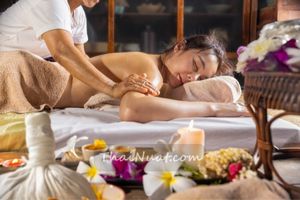
Thai massage uses rhythmic pressure, assisted stretching, and mindful breathing to help the body feel open and light. Instead of oils on a table, you’re typically clothed on a mat while the practitioner uses thumbs, palms, forearms, and body weight to release tension. For beginners, a short, gentle session can teach you where your body is tight and how breath softens that tightness. As part of a beginner’s guide to Thai massage and herbal remedies, this section emphasizes practicality: ask about session length, pressure levels, and any health concerns in advance; let the therapist know where you tend to hold tension (neck, low back, hips).

Key ideas to remember: move within comfort, communicate with your therapist, and rest afterward. If you’re trying at home, stick to very simple stretches taught by reputable sources; better yet, take a short class so you understand alignment and safety.
2) Thai Herbal Remedies—kitchen-level care with plants
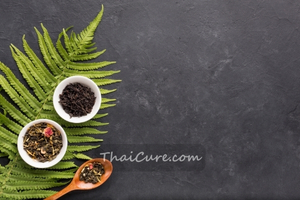
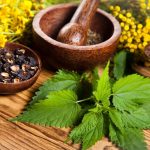
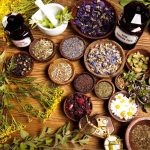
Thai herbal remedies are everyday, not exotic. Lemongrass, turmeric, ginger, galangal, and kaffir lime show up in soups, teas, balms, and compresses. A warm lemongrass tea after meals supports digestion; a turmeric-and-ginger infusion can be soothing after travel; kaffir lime peel in a steam bowl brightens the senses. As part of a beginner’s guide to Thai massage and herbal remedies, you’ll learn to start with mild preparations—teas, steams, and simple compresses—and to observe your body’s response before moving on.

Many beginners start with Thai healing herbs (turmeric, lemongrass, kaffir lime) in teas and broths before experimenting with balms.
One beloved tool is the Thai herbal compress—a cloth bundle filled with aromatic herbs, steamed until warm, then pressed or rolled on the body. It’s relaxing, promotes circulation, and pairs beautifully with massage. Keep it simple at first, and avoid very hot compresses or strong balms on sensitive skin.
👉 “If you’re inspired by Thai herbs and rituals, you’ll love our guide on traditional Thai medicine for complete wellness.”
3) Meditation & Ruesri Dat Ton—quiet breath, gentle form
Meditation in a Thai context often starts with basic breath awareness: inhale slowly, exhale a touch longer, soften the jaw, drop the shoulders—simple Thai meditation for stress relief that you can practice anywhere. Ruesri Dat Ton adds gentle positions that lengthen the spine and open the hips. A few minutes in the morning can reduce stiffness and set a calmer tone for the day. You don’t need special gear—just space and a willingness to listen to your body. Beginners benefit from short, consistent sessions rather than long, intense ones.

Pulling the core ideas together: massage eases the body so breath deepens; herbs bring gentle warmth that supports digestion and rest; mindfulness ties everything together. Used together, these are the pillars you’ll meet in any reliable beginner’s guide to Thai massage and herbal remedies.
A Beginner’s Path: How to Get Started (Safely)
Step 1: Choose one practice to try this week. It could be a 30-minute gentle Thai massage, a cup of lemongrass tea after dinner, or five minutes of breath work before bed. Your “starter kit” should be realistic and kind. Because this is Thai wellness practices explained for beginners, we’ll keep every step practical and beginner-safe.
Step 2: Source wisely. Look for trained massage practitioners, clean herbal suppliers, and classes that welcome newcomers. When in doubt, ask questions: What should I expect? How do I prepare? Are there any cautions? A well-run school or spa will happily explain basics to someone following a beginner’s guide to Thai massage and herbal remedies.
Step 3: Track how you feel. Keep a simple log: sleep quality, stress levels, digestion, mood. Thai wellness is experiential; your notes teach you which practices help most. If you feel sore after a massage, try a shorter session next time. If a tea feels too warming, reduce the amount or switch to a gentler herb like pandan or chrysanthemum.
Step 4: Build tiny rituals. A morning stretch, a midday herbal tea, a quiet sunset walk, a warm shower before bed—small routines add up. Think of these as beginner’s Thai wellness tips in action—easy Thai self-care rituals that fit into real life.
Benefits You Can Expect
While everyone’s experience is unique, beginners typically report less neck & shoulder tension, easier breathing, improved digestion, and better sleep quality. Massage loosens fascia and joints, herbs bring warmth and aroma that soothe the senses, and mindful breath steadies the nervous system—the benefit of Thai herbal remedies is often cumulative, especially when paired with movement and rest. Over time, you may notice a kinder relationship with your body—eating more thoughtfully, stretching before long drives, and resting sooner when you’re tired.

If you came looking for Thai wellness practices explained for beginners, it’s likely because your daily life needs steadier energy and less friction. Thai wellness can help you downshift from stress, reset after travel, and restore after long hours at a screen. You might feel more present with family, more patient in conversation, and more grounded in your schedule.
Think of benefits as layers. The first layer is relief (looser shoulders, calmer breath); the second is habit (tea instead of late coffee, stretches before bed); the third is insight (noticing when you’re tense sooner, choosing rest earlier). Each layer supports the next.
Common Myths & Beginner Misconceptions
Myth 1: Thai wellness is only for the very flexible. In reality, skilled practitioners adapt to your body. You can receive a gentle session without extreme positions, and you can learn beginner stretches that respect your range.
Myth 2: Herbs are “one-size-fits-all.” Even mild herbs deserve respect. Start with small amounts, notice how you feel, and avoid mixing too many new things at once. If you’re pregnant, on medication, or have chronic conditions, consult a qualified professional first.
Myth 3: Results should be instant. Most changes are subtle at first: better sleep after a warm shower and tea, easier neck movement after a few weeks of short stretches. That’s why Thai wellness practices explained for beginners emphasizes realistic expectations and consistency over intensity.
Myth 4: It’s all-or-nothing. You can keep your current routines and add one Thai practice at a time. The goal is a kinder daily rhythm, not a strict program.
Everyday Integration: Make It Part of Your Life
Morning (5–10 minutes): open the body with two Ruesri Dat Ton movements, then breathe slowly for six rounds. Sip warm water or a mild ginger tea if it suits you. Treat this as a mini reset, not a chore.
Workday breaks (2–3 minutes): (think of these as quick Thai wellness tips for stress relief) roll shoulders, stretch the wrists, and take three deeper breaths. A few drops of kaffir lime in a steam bowl can refresh the senses between tasks. Simple Thai herbal remedies work best when they’re light and consistent.
Evening wind-down (10 minutes): a warm shower, brief leg stretches, and quiet time with the lights low. If you enjoy herbs, try lemongrass or pandan tea; if you enjoyed massage earlier in the week, rest longer and hydrate. As a gentle reminder from our beginner’s guide to Thai massage and herbal remedies, keep stimulation low before bed—no heavy screens, no strong balms on sensitive skin.
Integration is about friction reduction. Keep tools visible (a tea jar on the counter, a mat near your bed). Schedule a monthly massage before your calendar fills. Invite a friend to a beginner-friendly class so accountability feels fun, not forced.
Safety, Sourcing & Cultural Respect
Safety: Start low and go slow. Those new to herbs should try mild teas first, notice temperature & skin sensitivity, and avoid combining too many new items at once. If you have medical concerns, speak to a qualified professional. When receiving massage, communicate pressure preferences and stop if anything feels sharp or unstable.
Sourcing: Choose trained practitioners and reputable shops. Look for hygiene, transparency about ingredients, and clear aftercare advice. If you’re buying a Thai herbal compress, ask about contents, scent strength, and how to heat it safely at home. For teas, whole dried herbs stored in airtight containers are often a good entry point.
Cultural respect: Learn the names of a few herbs, remove shoes when asked, and speak gently in quiet spaces. Thai wellness has sacred roots for many people. You don’t need to pretend to be local—just be kind, curious, and attentive. This respect deepens your experience and reflects the spirit behind Thai wellness practices explained for beginners.
A Simple 7-Day Starter Plan (Optional, Adaptable)
Use this flexible plan to try core elements without overhauling your week. Treat each day as a prompt—swap or skip as needed.
Day 1 — Arrival & Awareness:
Five minutes of quiet breathing after you wake up. Sit comfortably, lengthen your spine, and count a steady 4-second inhale with a slightly longer exhale. Notice jaw, shoulders, and belly soften. Brew a mild lemongrass tea after lunch to see how your digestion feels. In the evening, write two lines in your wellness log: energy level and sleep quality last night.
Day 2 — Gentle Movement:
Learn two beginner Ruesri Dat Ton positions: a simple spinal lengthener and a hip opener. Hold each for 3–5 breaths. If you sit long hours, add a wrist and neck release. Keep it light—no forcing. Warm a shower in the evening to invite deeper rest.
Day 3 — Herbal Warmth:
Prepare a small ginger–turmeric infusion (thin slices, hot water, short steep). Sip slowly and pay attention to how your body reacts—heat, aroma, any change in mood or appetite. If it feels too warming, dilute or switch to pandan or chrysanthemum. This is kitchen-level care, the heart of simple Thai herbal remedies.
Day 4 — Bodywork Basics:
Book a short, gentle Thai massage session with a trained practitioner. Before starting, explain you’re a beginner, mention any sore spots, and agree on pressure levels. Afterward, hydrate, keep your schedule light, and take a quiet walk. Note the areas that feel freer and any that feel fatigued.
Day 5 — Breath & Balance:
Three micro-breaks today: mid-morning, mid-afternoon, early evening. Each time, roll your shoulders, take three slower breaths, and stretch the forearms. End the day with a warm foot soak: a bowl of water, a slice of kaffir lime peel, and a towel nearby. This low-tech ritual signals your nervous system to downshift.
Day 6 — Steam & Reset:
If you have a safe setup, try a short herbal steam: a bowl of hot water with lemongrass or kaffir lime leaf, towel over the head, and gentle breaths for 2–3 minutes. Stop if you feel overheated. Follow with a glass of room-temperature water and five minutes of quiet rest. Avoid screens for 20 minutes to let the calm settle.
Day 7 — Reflect & Refine:
Review your notes. Which practices helped most? Which felt too stimulating or time-consuming? Keep the helpful ones and simplify the rest. Plan next week: maybe a shorter massage, a different tea, or an evening stretch with a friend.
Beginner FAQs
Q1: How often should I book massage at the start?
Every body is different, but many beginners like a shorter session every 2–4 weeks, adjusting pressure over time. If you sit a lot, pair massage with gentle daily stretching to maintain gains between sessions.
Q2: Can I practice at home without classes?
Yes—keep it simple. Use reputable videos or local workshops for Thai massage basics explained and foundational Ruesri Dat Ton positions. Stay within a comfortable range, breathe, and rest. If anything feels sharp or dizzy, stop and reset.
Q3: Which herbs are the safest place to start?
Mild teas like lemongrass, ginger, and pandan are common entry points. Begin with small amounts and short steeps. If you notice skin sensitivity or stomach upset, pause and consult a professional.
Q4: Do I need special equipment?
Not really. A firm mat or folded blanket, a kettle for tea, and a clean towel are enough. For a Thai herbal compress, you can buy a ready-made bundle from a reputable shop, but you don’t need it to begin.
Q5: How soon will I feel benefits?
Some people feel lighter after the first massage or calmer after the first week of breath work. Others notice cumulative change over a month. Consistency and sleep quality matter more than intensity—that’s a core message in Thai wellness practices explained for beginners.
Q6: Where does meditation fit in this approach?
You can add three minutes of breath work to any routine. Pair it with stretching (before or after) or have it stand alone. Many people find evening practice eases them toward better sleep.
**Q7: What’s the best way to follow a **beginner’s guide to Thai massage and herbal remedies?
Keep a short routine and a short list of tools. Try one massage per month, one herbal tea you actually enjoy, and five minutes of breath work most nights. When life gets busy, keep only the easiest piece—often that’s three slow breaths before sleep.