



- Introduction: The Essence of Traditional Thai Massage
- What Is Traditional Thai Massage?
- The History and Origins of Thai Massage
- How Does Traditional Thai Massage Work?
- Health Benefits of Traditional Thai Massage
- Techniques and Movements Used in Thai Massage
- Who Can Benefit from Traditional Thai Massage?
- What to Expect During a Thai Massage Session
- Traditional Thai Massage vs. Other Types of Massage
- How Often Should You Get a Thai Massage?
- Where to Experience Authentic Thai Massage
- Conclusion: Embrace the Health Benefits of Traditional Thai Massage
- FAQ About the Health Benefits of Traditional Thai Massage
- What are the main health benefits of traditional Thai massage?
- How does traditional Thai massage improve flexibility?
- Can traditional Thai massage help with chronic pain?
- Is Thai massage good for mental health?
- How does Thai massage enhance blood circulation?
- Who should consider getting a traditional Thai massage?
- How often should I get a Thai massage to experience its health benefits?
- Is traditional Thai massage safe for everyone?
- What should I expect during a Thai massage session?
- Can Thai massage increase my energy levels?
Introduction: The Essence of Traditional Thai Massage
Imagine stepping into a tranquil space filled with the soothing scent of essential oils, the soft glow of warm lights, and the gentle sounds of calming music. This is where the magic of traditional Thai massage begins. More than just a method of relaxation, traditional Thai massage is a holistic healing practice that has stood the test of time.
The health benefits of traditional Thai massage are well-documented, offering both physical and mental wellness. In this comprehensive guide, we will explore how traditional Thai massage can improve your health, the techniques used, and why this ancient practice remains popular worldwide.
What Is Traditional Thai Massage?
Traditional Thai massage is a unique blend of acupressure, stretching, and assisted yoga poses. Unlike Western massage techniques that often rely on oils and lotions, Thai massage is typically performed on a mat on the floor, with the recipient fully clothed.
This practice is rooted in the principles of energy lines or “Sen” that run throughout the body. By stimulating these energy pathways, Thai massage helps to restore balance and well-being.
The History and Origins of Thai Massage
The roots of traditional Thai massage can be traced back over 2,500 years to ancient India. It is said to have been introduced to Thailand by Shivago Komarpaj, a legendary doctor and a contemporary of Buddha. Over centuries, Thai massage was influenced by Ayurveda, Chinese medicine, and Thai cultural practices, making it a unique fusion of healing philosophies.
Initially practiced in temples as part of traditional Thai medicine, it eventually became a fundamental aspect of Thai health and wellness. Today, it is recognized globally for its healing benefits.
How Does Traditional Thai Massage Work?
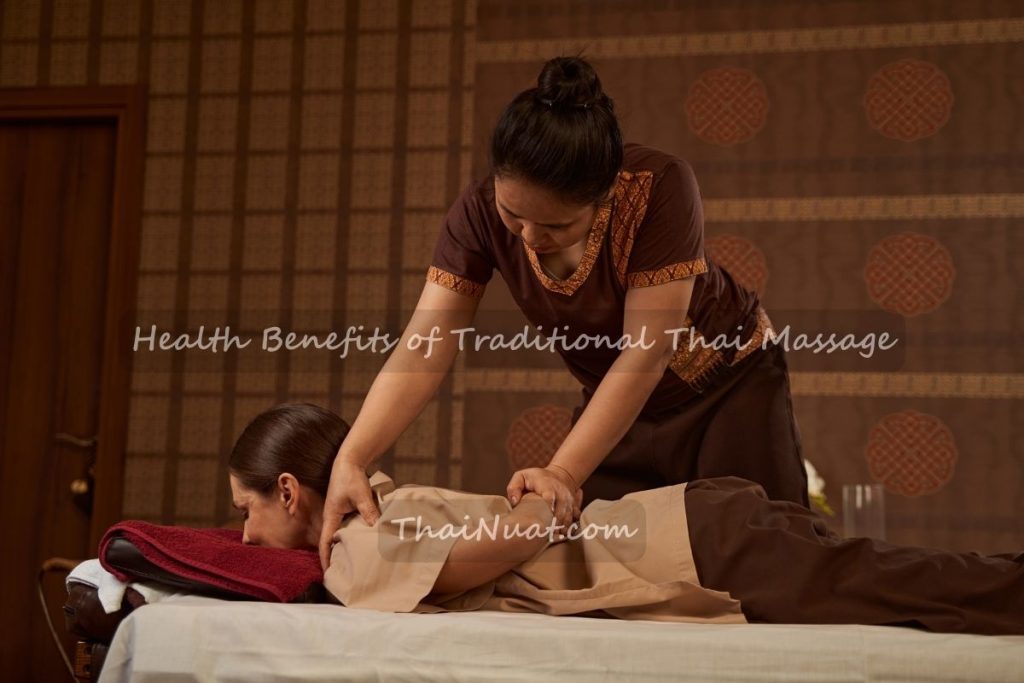
Traditional Thai massage relies on a combination of pressure, stretching, and movement to stimulate the body’s energy flow. The therapist uses their hands, elbows, knees, and feet to apply firm pressure and guide the recipient through a series of assisted stretches.
This approach is intended to unblock energy channels, improve circulation, and boost flexibility. The rhythmic, flowing movements leave the body feeling rejuvenated, while the mental effects include a profound sense of peace and relaxation.
Health Benefits of Traditional Thai Massage
One of the primary reasons people seek out Thai massage is for its health benefits. This ancient practice provides a multitude of physical, emotional, and mental wellness benefits. Let’s explore them in detail.
Improves Flexibility and Range of Motion
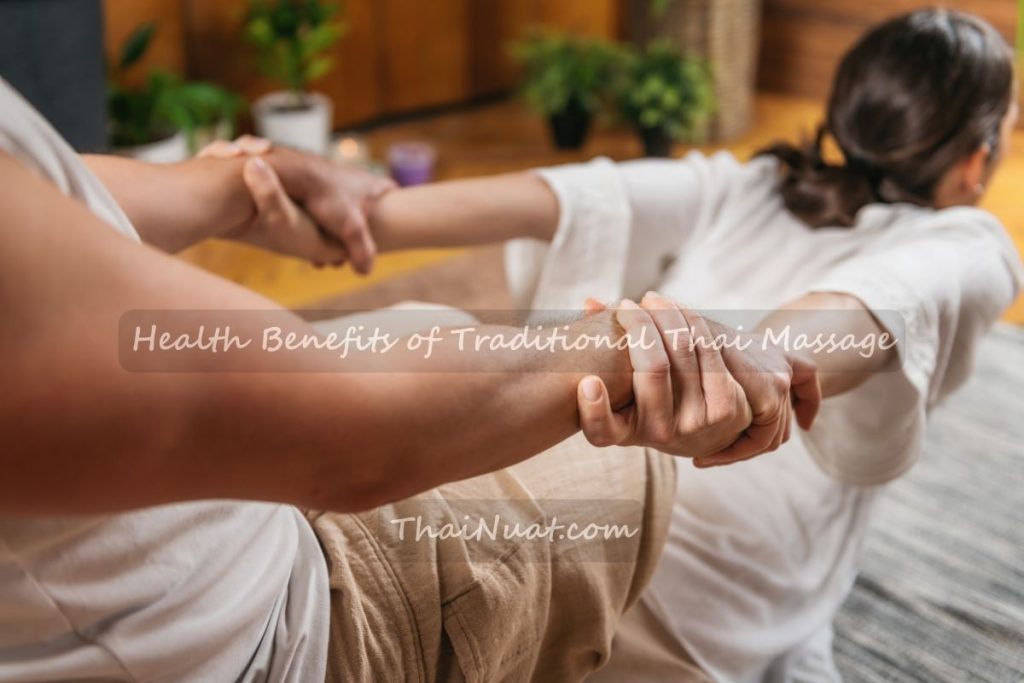
Thai massage incorporates passive stretching techniques similar to yoga. These stretches promote flexibility, loosen tight muscles, and enhance the body’s overall range of motion. Athletes and fitness enthusiasts benefit greatly from this, as it can prevent injuries and improve athletic performance.
Enhances Blood Circulation
The acupressure and rhythmic movements in Thai massage stimulate blood flow throughout the body. Improved circulation helps to oxygenate tissues and organs, leading to better overall health and faster healing of injuries. This increased circulation also reduces the risk of cardiovascular problems.
Relieves Muscle and Joint Pain
Chronic pain, muscle stiffness, and joint discomfort are common issues that Thai massage can address. By releasing built-up tension in muscles and improving joint mobility, people suffering from back pain, sciatica, and neck stiffness experience significant relief.
Reduces Stress and Anxiety
The calming nature of Thai massage promotes mental clarity and relaxation. The release of endorphins, combined with the therapeutic touch of the practitioner, helps reduce anxiety, ease stress, and improve overall mental well-being.
Boosts Energy and Vitality
Unlike Swedish massage, which is primarily focused on relaxation, Thai massage aims to balance the body’s energy. By stimulating energy lines, the recipient feels revitalized and more energetic after the session. Many clients report feeling an instant boost in mood and vitality.
Techniques and Movements Used in Thai Massage
Thai massage uses a variety of techniques, including:
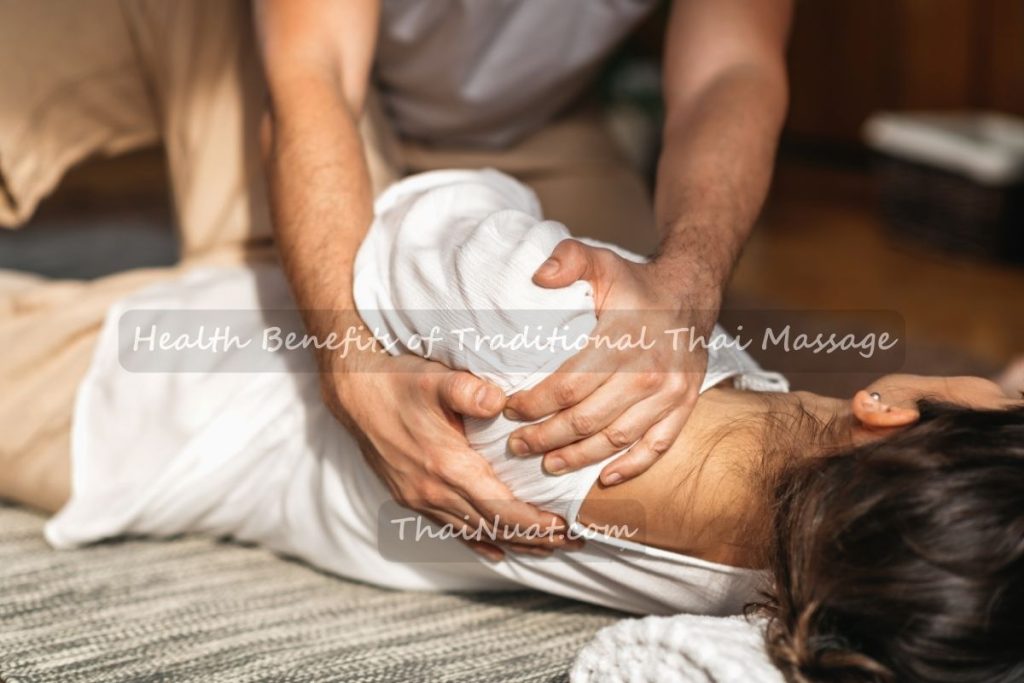
- Palming and Thumbing: Applying firm pressure to energy lines.
- Stretching: Passive yoga-like stretches to improve flexibility.
- Twisting: Gentle rotations of the spine for increased mobility.
- Compression: Rhythmic pressing to improve circulation and energy flow.
These techniques are combined in a fluid, meditative sequence, allowing the body to relax and heal.
Who Can Benefit from Traditional Thai Massage?
Thai massage is suitable for a wide range of people, from athletes to office workers. It is especially beneficial for:
- Individuals with chronic pain or muscle stiffness
- Those seeking improved flexibility and range of motion
- People experiencing stress, anxiety, or fatigue
- Athletes looking for enhanced performance and recovery
What to Expect During a Thai Massage Session
A Thai massage session typically lasts 60 to 90 minutes. You remain fully clothed and lie on a cushioned mat. The therapist will use their hands, elbows, knees, and feet to apply pressure and stretch your body.
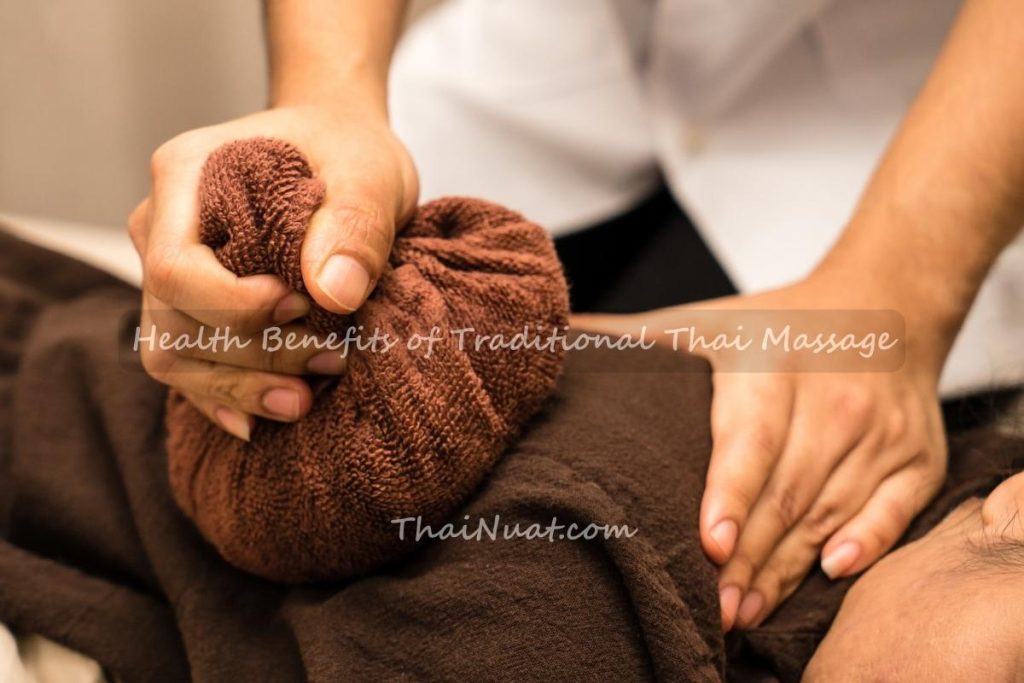
The experience can range from deeply relaxing to intensely invigorating, depending on the pressure used and the techniques applied. It’s normal to feel some soreness after a session, especially if it’s your first time.
Traditional Thai Massage vs. Other Types of Massage
How does Thai massage differ from other styles?
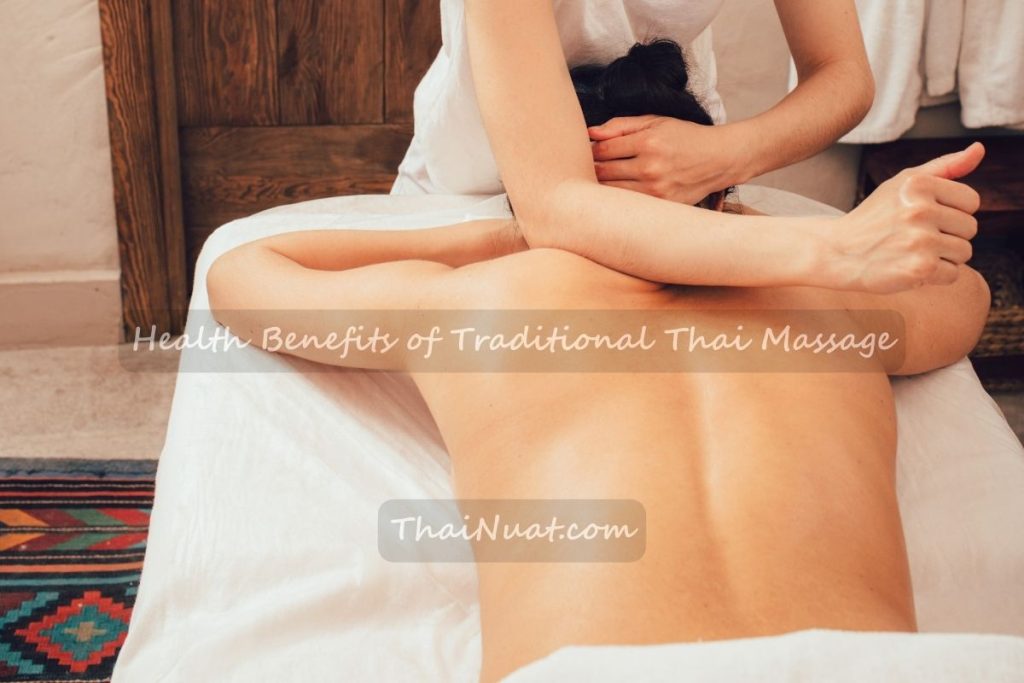
- Thai Massage: Incorporates acupressure, assisted stretching, and no use of oils.
- Swedish Massage: Focuses on relaxation with oils and gentle, sweeping strokes.
- Deep Tissue Massage: Targets deeper layers of muscle to relieve chronic pain.
Thai massage provides the benefits of stretching, flexibility, and energy alignment, which are not typically present in other forms of massage.
How Often Should You Get a Thai Massage?
How frequently you should receive a Thai massage depends on your health needs. For general well-being, one session per month is recommended. If you have chronic pain, you may benefit from bi-weekly or weekly sessions.
Where to Experience Authentic Thai Massage
For an authentic experience, consider visiting Thailand, where you can experience traditional massage in its cultural context. However, many spas and wellness centers worldwide now offer high-quality Thai massage services. Look for certified practitioners who have trained in Thailand or have a background in traditional Thai medicine.
Conclusion: Embrace the Health Benefits of Traditional Thai Massage
The health benefits of traditional Thai massage are undeniable. From enhancing flexibility and improving circulation to relieving pain and promoting relaxation, this ancient therapy continues to be a valuable tool for physical and mental wellness.
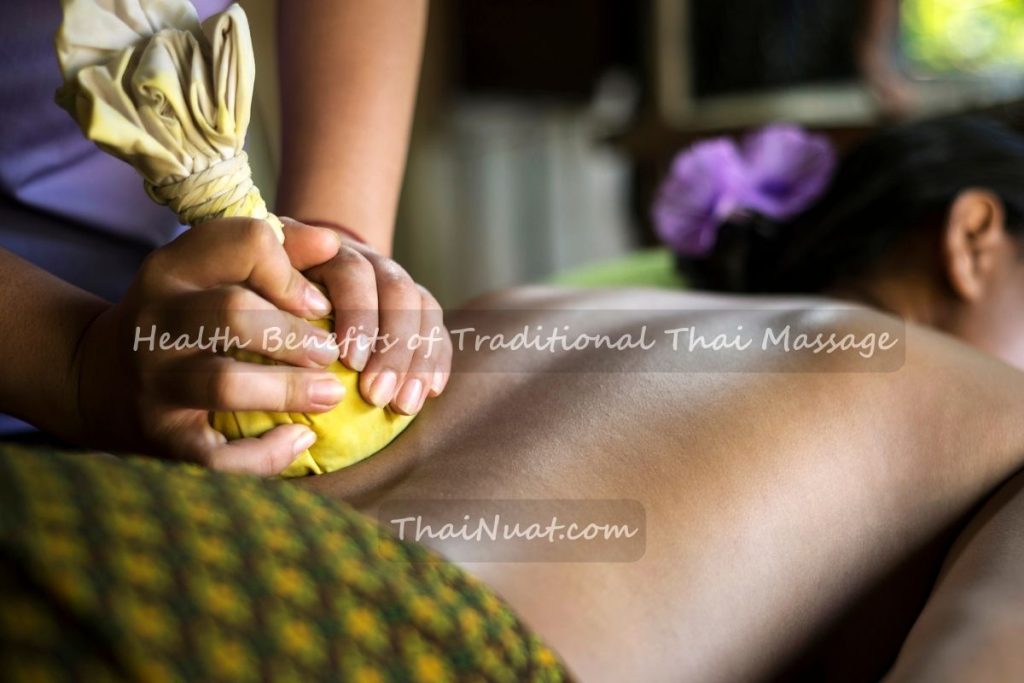
Whether you’re seeking relief from chronic pain, looking to boost energy, or simply want to relax, traditional Thai massage offers a holistic approach to health and well-being. Take the first step toward better health and experience the magic of Thai massage today.
FAQ About the Health Benefits of Traditional Thai Massage
What are the main health benefits of traditional Thai massage?
Traditional Thai massage offers numerous health benefits, including improved flexibility, better blood circulation, relief from muscle and joint pain, reduced stress and anxiety, and enhanced energy levels.
How does traditional Thai massage improve flexibility?
Traditional Thai massage incorporates passive stretching techniques, similar to assisted yoga. This helps loosen tight muscles, increase range of motion, and improve overall body flexibility.
Can traditional Thai massage help with chronic pain?
Yes, Thai massage is highly effective for managing chronic pain. The combination of acupressure, stretching, and compression techniques relieves muscle tension, reduces stiffness, and alleviates pain, especially in areas like the back, neck, and joints.
Is Thai massage good for mental health?
Absolutely! One of the key health benefits of traditional Thai massage is its ability to reduce stress and anxiety. By promoting relaxation and the release of endorphins, it improves mental clarity and emotional well-being.
How does Thai massage enhance blood circulation?
During a Thai massage, rhythmic pressure and acupressure stimulate the body’s energy lines, which increases blood flow. Improved blood circulation allows oxygen and nutrients to reach tissues and organs more effectively, supporting overall health and faster recovery from injuries.
Who should consider getting a traditional Thai massage?
Anyone seeking physical and mental wellness can benefit from a traditional Thai massage. It’s especially useful for athletes, people with chronic pain, those looking to improve flexibility, and individuals dealing with high stress or anxiety levels.
How often should I get a Thai massage to experience its health benefits?
For general wellness, one session per month is recommended. If you are dealing with chronic pain, tight muscles, or high stress, bi-weekly or weekly sessions may provide more consistent relief and faster results.
Is traditional Thai massage safe for everyone?
While Thai massage is safe for most people, those with certain health conditions, like severe joint issues, fractures, or certain cardiovascular conditions, should consult a healthcare provider before booking a session. Pregnant women should also inform the therapist beforehand.
What should I expect during a Thai massage session?
During a Thai massage, you remain fully clothed and lie on a floor mat. The therapist uses their hands, feet, elbows, and knees to apply pressure, perform stretching movements, and guide you through passive yoga-like poses. Sessions typically last 60 to 90 minutes.
Can Thai massage increase my energy levels?
Yes, one of the significant health benefits of traditional Thai massage is its ability to boost energy and vitality. By stimulating energy lines (Sen), it helps restore the body’s natural energy flow, leaving you feeling refreshed and recharged after a session.