


- Introduction
- Why Breathing And Relaxation Exercises Help Beginners
- Start With A Comfortable Position
- Simple Breath Awareness
- Slow Breathing For Calm
- Belly Breathing
- Longer Exhale Breathing
- Box Breathing For Focus
- Shoulder Release Breathing
- Jaw And Face Relaxation
- Neck Relaxation With Breath
- Body Scan Relaxation
- Hand-On-Heart Breathing
- Gentle Stretching With Breath
- Simple Evening Breathing Routine
- Simple Morning Breathing Routine
- Relaxation During A Work Break
- How Long Should Beginners Practise?
- Common Mistakes To Avoid
- Safety Tips For Beginners
- Simple Beginner Routine
- Breathing And Relaxation Exercises Checklist
- Conclusion
- FAQ
- What Are Breathing And Relaxation Exercises?
- Are Breathing And Relaxation Exercises Good For Beginners?
- How Long Should I Practise Breathing Exercises?
- What Is The Easiest Breathing Exercise For Beginners?
- Should I Breathe Through My Nose Or Mouth?
- Can Breathing Exercises Help With Stress?
- Why Do I Feel Dizzy During Breathing Exercises?
- Can I Use Music During Relaxation Exercises?
- How Can I Make Breathing And Relaxation Exercises A Daily Habit?
Introduction
Breathing And Relaxation Exercises are simple ways to calm the body, soften tension, and create a quiet pause during a busy day. They do not require special equipment, expensive products, or a perfect environment. Beginners can start with only a few minutes and build a routine slowly.
For beginners, the goal is not to breathe perfectly or force the body into deep calm. The goal is to notice the breath, relax gently, and create a simple habit that feels safe and realistic.
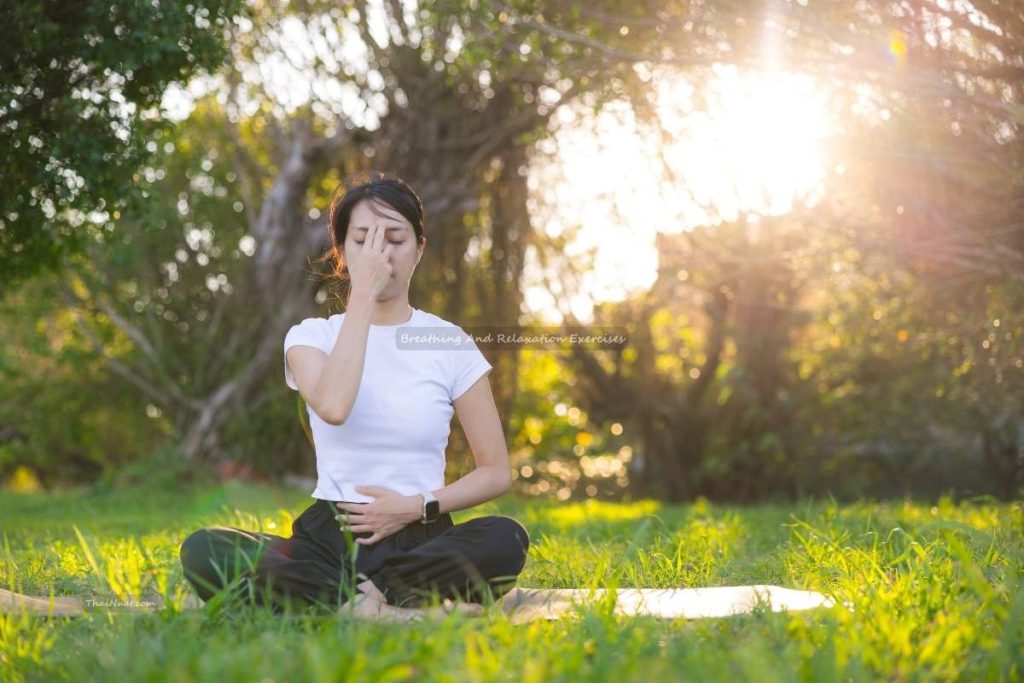
This guide explains easy Breathing And Relaxation Exercises for beginners, including breath awareness, slow breathing, belly breathing, longer exhale breathing, box breathing, body scan relaxation, and gentle release techniques.
👉 “Readers learning gentle relaxation exercises may also find this guide to Medical Cannabis Consultation In Thailand useful for understanding when health questions should be discussed with a qualified professional.”
Why Breathing And Relaxation Exercises Help Beginners
Breathing And Relaxation Exercises help beginners because they are simple, flexible, and easy to practise almost anywhere. You can use them at home, before sleep, during a work break, after gentle movement, or whenever the body feels tense.
Many people carry tension in the shoulders, neck, jaw, chest, stomach, or back without noticing it. Slow breathing and relaxation can help you become more aware of that tension.
These exercises may support:
- A calmer daily routine
- Better body awareness
- Gentle stress management
- Softer shoulders and neck
- A slower evening routine
- More mindful self-care
- A simple pause during busy days
- Relaxation before sleep
Breathing And Relaxation Exercises are not a replacement for medical care. If you have chest pain, serious breathing difficulty, dizziness, severe anxiety, or any health condition, speak with a qualified healthcare professional.
Start With A Comfortable Position
Before trying any breathing technique, choose a position that feels comfortable.
You can sit:
- On a chair
- On a cushion
- On the floor
- Against a wall
- On the edge of a bed
- With your feet flat on the ground
You can also lie down if that feels better.
Keep your body soft, not stiff. Let your shoulders relax. Keep your jaw loose. Let your hands rest on your lap, stomach, or thighs.
For beginners, comfort is more important than perfect posture. Breathing And Relaxation Exercises work best when the body does not feel forced.
Simple Breath Awareness
Breath awareness is the easiest place to begin. You do not need to change your breathing at first. Just notice it.
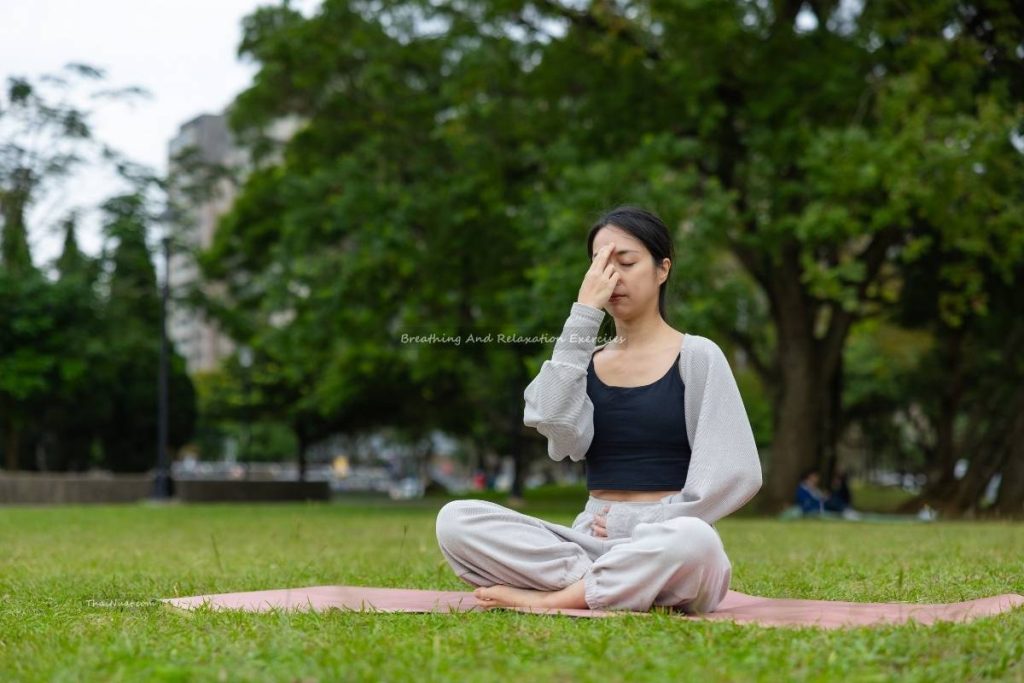
Try this:
- Sit or lie comfortably
- Close your eyes if it feels comfortable
- Notice the air moving in and out
- Feel your chest, ribs, or belly move
- Notice whether the breath feels fast, slow, shallow, or deep
- Do not judge it
- Stay with the breath for one to three minutes
This is a gentle first step because it teaches awareness before control.
Many beginners try too hard to breathe deeply. Instead, begin by simply noticing your natural breath.
Slow Breathing For Calm
Slow breathing is one of the most beginner-friendly relaxation exercises. It can help create a slower rhythm in the body.
Try this simple version:
- Breathe in gently through the nose
- Pause briefly if comfortable
- Breathe out slowly through the nose or mouth
- Let the exhale feel relaxed
- Repeat for two to five minutes
Do not force a very deep breath. A smooth, comfortable breath is better than a large, tense breath.
A good beginner rhythm is to inhale gently and let the exhale become slightly longer. Keep the shoulders relaxed and let the belly soften.
Slow breathing is one of the most practical Breathing And Relaxation Exercises because it can be used almost anywhere.
Belly Breathing
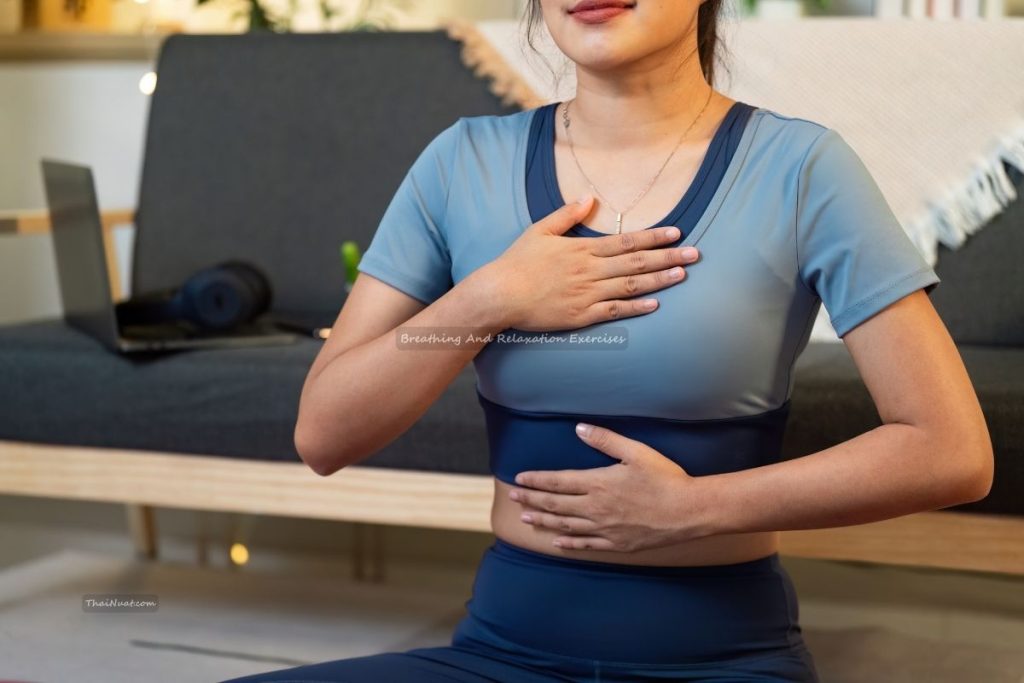
Belly breathing is also called diaphragmatic breathing. It helps beginners notice movement in the lower body and breathe more gently.
Try this:
- Lie down or sit comfortably
- Place one hand on your belly
- Place one hand on your chest
- Breathe in slowly and feel the belly rise slightly
- Breathe out slowly and feel the belly soften
- Keep the shoulders relaxed
- Repeat for three to five minutes
Do not push the belly out strongly. Let the movement be natural.
Some people feel more movement in the ribs or chest at first. That is fine. The goal is not perfection. The goal is to become more aware of how you breathe.
Longer Exhale Breathing
A longer exhale can feel calming because it gives the body more time to release tension.
Try this gentle pattern:
- Breathe in for a comfortable count
- Breathe out for a slightly longer count
- Keep the breath smooth
- Repeat several times
For example, you may breathe in for three counts and breathe out for four counts. If that feels too long, use a shorter rhythm.
Never hold your breath in a way that feels uncomfortable. Relaxation should feel steady, not stressful.
This technique can be useful before sleep, after work, or during a quiet break.
Box Breathing For Focus
Box breathing is a structured breathing practice. It can help beginners who like a clear pattern.
Try this gentle version:
- Breathe in for four counts
- Pause for four counts
- Breathe out for four counts
- Pause for four counts
- Repeat slowly
If four counts feels too long, use two or three counts instead.
This exercise should feel calm. If you feel dizzy or uncomfortable, stop and return to normal breathing.
Box breathing can help beginners focus because counting gives the mind something simple to follow.
Shoulder Release Breathing
Many people hold tension in the shoulders. This exercise combines breath with gentle release.
Try this:
- Sit comfortably
- Breathe in and lift the shoulders slightly
- Breathe out and let them drop
- Repeat three to five times
- Then keep the shoulders relaxed and breathe normally
Do not lift the shoulders too high. The movement should be small and gentle.
You can also roll the shoulders slowly after the breathing.
This exercise is useful after computer work, long travel, housework, or carrying bags.
Jaw And Face Relaxation
Stress often appears in the face and jaw. People may clench their teeth or tighten their forehead without noticing.
Try this:
- Sit comfortably
- Breathe slowly
- Let your tongue rest gently
- Relax the jaw
- Soften the eyes
- Let the forehead smooth
- Breathe out slowly
- Repeat for one to two minutes
You can gently open and close the mouth a few times if the jaw feels tight.
This is a small exercise, but it can make the whole body feel softer.
Neck Relaxation With Breath
The neck can become tense from screens, driving, sleeping positions, or stress. Keep this exercise very gentle.
Try this:
- Sit upright but relaxed
- Breathe in slowly
- As you breathe out, let the chin drop slightly
- Return to centre
- Breathe in again
- As you breathe out, turn the head slightly to one side
- Return to centre
- Repeat on the other side
Avoid deep stretching or strong pulling. Move only within a comfortable range.
If you feel pain, stop. Breathing And Relaxation Exercises should never feel sharp, forced, or painful.
Body Scan Relaxation
A body scan is a relaxation exercise where you slowly notice different parts of the body.
Try this:
- Lie down or sit comfortably
- Take a few slow breaths
- Notice your feet
- Notice your legs
- Notice your hips
- Notice your belly
- Notice your chest
- Notice your hands
- Notice your arms
- Notice your shoulders
- Notice your neck
- Notice your face
- Breathe slowly and soften each area
You do not need to change anything. Just notice and relax where possible.
A body scan is helpful before sleep because it encourages gentle body awareness.
Hand-On-Heart Breathing
This is a simple calming exercise for moments when you want a sense of comfort.
Try this:
- Place one hand on your chest
- Place the other hand on your belly or lap
- Breathe slowly
- Feel the warmth of your hand
- Let your shoulders soften
- Stay for one to three minutes
This exercise can feel grounding. It reminds the body to slow down.
For beginners, simple touch can make Breathing And Relaxation Exercises feel more natural and less technical.
Gentle Stretching With Breath
Breath and stretching can work well together when done gently.
Try this:
- Sit or stand comfortably
- Breathe in and lengthen the spine
- Breathe out and relax the shoulders
- Slowly stretch one arm overhead
- Breathe naturally
- Change sides
- Keep movements slow and easy
You can also stretch the wrists, fingers, ankles, or upper back.
Avoid bouncing or forcing a stretch. Relaxation stretching should feel soft and controlled.
Simple Evening Breathing Routine
An evening routine can help the body shift from busy activity into rest.
Try this simple routine:
- Dim the lights
- Put the phone away for a short time
- Sit or lie down comfortably
- Practise slow breathing for three minutes
- Relax the shoulders
- Do a short body scan
- Stretch gently if needed
- End with quiet breathing
This routine can take only five to ten minutes.
The key is consistency. Breathing And Relaxation Exercises are more useful when repeated regularly.
Simple Morning Breathing Routine
Morning breathing can help you start the day with more awareness.
Try this:
- Sit on the bed or a chair
- Take five slow breaths
- Notice the body
- Stretch the arms gently
- Relax the neck
- Think of one simple priority for the day
This does not need to be spiritual or complicated. It is just a short pause before the day begins.
For beginners, a short morning routine is easier to maintain than a long practice.
Relaxation During A Work Break
Many people feel tension during work. Short breaks can help.
Try this at your desk:
- Sit back
- Place both feet on the floor
- Relax your hands
- Breathe in slowly
- Breathe out longer
- Roll the shoulders gently
- Look away from the screen
- Relax the jaw
Repeat for two minutes.
These quick Breathing And Relaxation Exercises can fit into a busy day without special preparation.
How Long Should Beginners Practise?
Beginners do not need long sessions. Start small.
A simple plan:
- One minute for breath awareness
- Three minutes for slow breathing
- Five minutes for a body scan
- Ten minutes for an evening routine
Short sessions are easier to repeat.
A small habit done often is better than a long routine that feels difficult to maintain.
Common Mistakes To Avoid
Breathing Too Deeply Too Quickly
Forcing deep breaths can make some people feel uncomfortable. Breathe gently.
Holding The Breath Too Long
Breath holds should be comfortable. Beginners can skip them if they feel stressful.
Expecting Instant Calm
Relaxation takes practice. Some days will feel easier than others.
Sitting In An Uncomfortable Position
Comfort matters. Use a chair, cushion, or bed if needed.
Ignoring Pain
Relaxation should not cause pain. Stop if something feels wrong.
Turning Relaxation Into A Task
Breathing And Relaxation Exercises should reduce pressure, not create more pressure.
Safety Tips For Beginners
Breathing exercises are usually gentle, but beginners should still be careful.
Stop and rest if you feel:
- Dizzy
- Lightheaded
- Short of breath
- Chest discomfort
- Tingling that worries you
- Strong anxiety
- Pain
Speak with a healthcare professional if you have breathing conditions, heart concerns, serious anxiety symptoms, pregnancy-related concerns, or any medical condition that may affect breathing practice.
Keep the exercises gentle and comfortable.
Simple Beginner Routine
Here is an easy routine to start with:
- Sit comfortably
- Notice your breath for one minute
- Practise slow breathing for three minutes
- Relax the shoulders
- Soften the jaw
- Do a short body scan
- Stretch gently if needed
- End with one natural breath
This routine can take five to seven minutes.
It is a simple way to begin Breathing And Relaxation Exercises without feeling overwhelmed.
Breathing And Relaxation Exercises Checklist
Use this checklist before practising:
- I am in a comfortable position
- My clothes are not too tight
- I can breathe normally
- I am not forcing the breath
- My shoulders are relaxed
- My jaw is soft
- I can stop whenever I need to
- I am not trying to be perfect
- I am giving myself a few quiet minutes
This checklist helps beginners stay relaxed and safe.
👉 “Readers who want broader wellness ideas may also enjoy this beginner guide to Thai Relaxation And Self-Care Practices.”
Conclusion
Breathing And Relaxation Exercises are simple beginner-friendly tools for calming the body, softening tension, and creating a more peaceful daily routine. They can be used in the morning, before sleep, during work breaks, or as part of a gentle self-care habit.
Start with easy practices such as breath awareness, slow breathing, belly breathing, longer exhale breathing, shoulder release, body scan relaxation, and gentle stretching. Keep each exercise comfortable and short at first.
For thainuat.com readers, Breathing And Relaxation Exercises can support a softer approach to everyday wellness. They work best when practised gently, consistently, and without pressure.
The goal is not to breathe perfectly. The goal is to pause, notice the body, relax the mind, and create a simple habit that helps you feel more balanced in daily life.
FAQ
What Are Breathing And Relaxation Exercises?
Breathing And Relaxation Exercises are simple practices that use slow breathing, body awareness, gentle stretching, and calming routines to help the body and mind relax.
Are Breathing And Relaxation Exercises Good For Beginners?
Yes. Beginners can start with short, gentle exercises such as breath awareness, slow breathing, belly breathing, and body scan relaxation.
How Long Should I Practise Breathing Exercises?
Beginners can start with one to five minutes. As the habit becomes easier, you can increase the time slowly.
What Is The Easiest Breathing Exercise For Beginners?
Simple breath awareness is the easiest. Sit comfortably, notice your natural breath, and stay with it for one to three minutes.
Should I Breathe Through My Nose Or Mouth?
Many people prefer breathing in through the nose and out through the nose or mouth. Choose the method that feels comfortable and natural.
Can Breathing Exercises Help With Stress?
Breathing exercises may help many people feel calmer and more aware of tension. They are not a replacement for professional support if stress feels serious or unmanageable.
Why Do I Feel Dizzy During Breathing Exercises?
Dizziness can happen if you breathe too deeply, too quickly, or hold the breath too long. Stop, return to natural breathing, and keep future practice gentler.
Can I Use Music During Relaxation Exercises?
Yes. Soft music, nature sounds, or silence can all work. Choose what helps you relax.
How Can I Make Breathing And Relaxation Exercises A Daily Habit?
Start small, practise at the same time each day, keep the routine simple, and avoid judging yourself if you miss a day.