



- Introduction
- Understanding Everyday Body Tension
- How Traditional Thai Massage Works
- Choose A Trained Thai Massage Therapist
- Explain Where You Feel Tension
- Mention Relevant Health Conditions
- Choose The Right Pressure
- Do Not Endure Pain Silently
- Begin Gently
- Wear Suitable Clothing
- Avoid A Heavy Meal Before Massage
- Relax Your Breathing
- Understand Assisted Stretching
- Neck And Shoulder Tension
- Upper Back Tension
- Lower Back Tension
- Hip And Leg Tightness
- Foot Tension
- Ask For Positioning Support
- Avoid Overstretching
- Do Not Request Maximum Pressure Automatically
- Pay Attention To The Treatment Environment
- Respect Consent And Boundaries
- What To Do After Thai Massage
- Mild Tenderness After Massage
- Combine Massage With Daily Movement
- Improve Your Workstation
- Use Gentle Stretching Between Sessions
- Prioritise Sleep And Recovery
- Manage Stress Realistically
- When Thai Massage May Be Unsuitable
- Thai Massage During Pregnancy
- Thai Massage For Older Adults
- How Often To Book Thai Massage
- Common Thai Massage Mistakes
- Setting Realistic Expectations
- Conclusion
- FAQ
- Can Thai Massage Help With Body Tension?
- Should Thai Massage Feel Painful?
- What Should I Tell The Therapist Before A Session?
- What Should I Wear For Thai Massage?
- Is Thai Massage Good For Neck Tension?
- Can Thai Massage Help Lower Back Tension?
- How Much Pressure Should I Request?
- What Should I Do After Thai Massage?
- How Often Can I Have Thai Massage?
- When Should Thai Massage Be Avoided?
Introduction
Traditional Thai massage combines rhythmic pressure, supported movement, assisted stretching, and careful positioning. Many people choose it when their shoulders, back, hips, or legs feel tight after work, travel, exercise, or long periods of sitting.
The most useful Thai massage therapy tips focus on comfort, communication, suitable pressure, and realistic expectations. Thai massage should not be treated as a test of flexibility or an experience in which strong pain must be tolerated.
A professional session may help some people feel more relaxed, mobile, or comfortable temporarily. However, massage cannot diagnose the cause of continuing pain, repair every injury, or replace appropriate medical care.
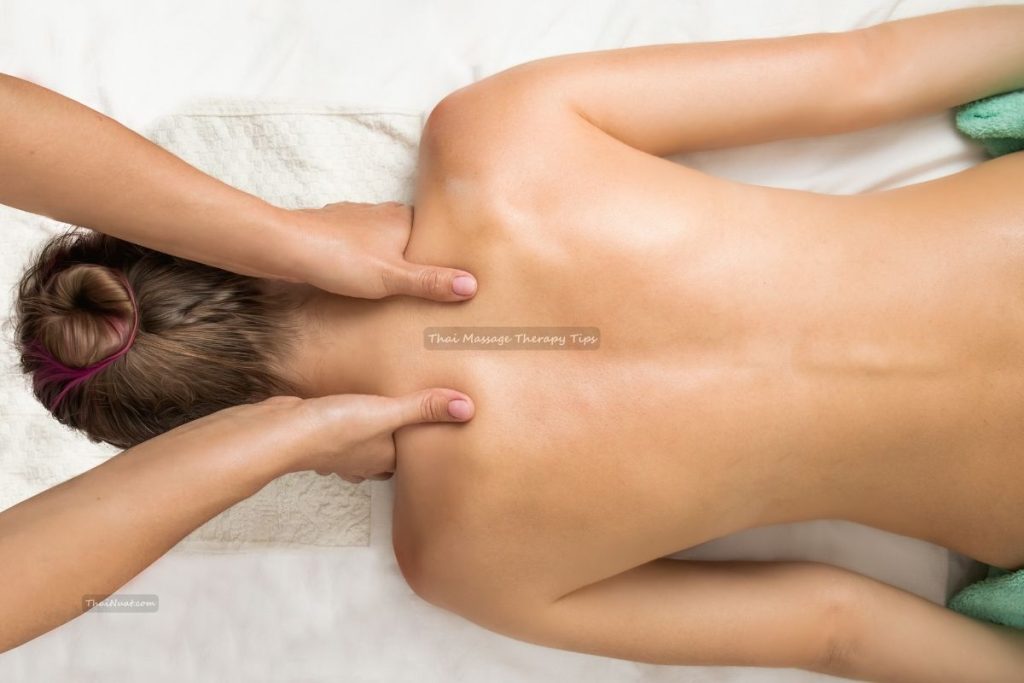
Body tension can develop for many reasons. Stress, repetitive movement, limited activity, poor sleep, long commutes, physical work, and unsuitable workstation arrangements may all contribute. Massage may support short-term comfort, but daily habits also matter.
This guide provides practical Thai massage therapy tips for selecting a therapist, explaining tension, choosing pressure, preparing for the session, responding to assisted stretches, and caring for the body afterwards.
👉 “Readers interested in traditional wellness approaches may also explore the role of herbs and cannabis in Thai medicine for additional cultural and historical context.”
Understanding Everyday Body Tension
Body tension often feels like stiffness, heaviness, limited movement, or mild soreness.
Common areas include:
- Neck
- Shoulders
- Upper back
- Lower back
- Hips
- Thighs
- Calves
- Feet
- Forearms
- Hands
Everyday tension may appear after sitting at a computer, carrying bags, driving, standing for long periods, or completing unfamiliar exercise.
However, unexplained, severe, or worsening pain should not automatically be described as ordinary tension. Numbness, weakness, swelling, fever, chest pain, loss of balance, or pain following a major accident requires appropriate professional assessment.
Safe Thai massage therapy tips begin with understanding the difference between mild everyday tightness and symptoms that may need healthcare.
How Traditional Thai Massage Works
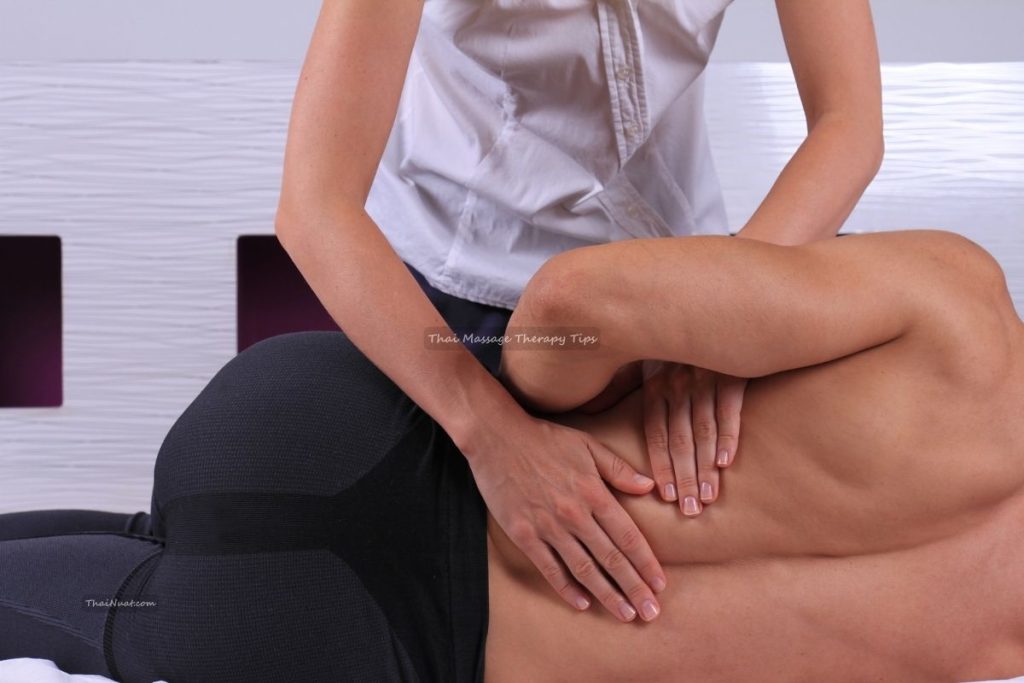
Thai massage is commonly performed on a padded floor mat. The client normally wears loose clothing, and massage oil is not always used.
The therapist may use:
- Palms
- Fingers
- Thumbs
- Forearms
- Elbows
- Knees
- Supported rocking
- Assisted stretching
- Gentle joint movements
The practitioner may work along different areas of the body while changing the client’s position.
Some techniques feel gentle and rhythmic. Others can feel firm or create a strong stretch.
Professional Thai massage therapy tips emphasise that every technique should be adapted to the client’s health, mobility, age, and comfort.
Choose A Trained Thai Massage Therapist
The quality of a massage depends greatly on the practitioner.
Look for someone who demonstrates:
- Relevant massage training
- Experience with Thai massage
- Clear communication
- Clean facilities
- Professional behaviour
- Respect for privacy
- Willingness to adjust pressure
- A basic health consultation
- Careful positioning
- Appropriate boundaries
Ask the therapist whether they have experience working with body tension in the areas that concern you.
A professional should not promise to cure chronic pain, correct every postural problem, or remove illness through pressure alone.
One of the most important Thai massage therapy tips is to choose skill and professionalism over the strongest available massage.
Explain Where You Feel Tension
Before the session begins, tell the therapist where you feel tightness.
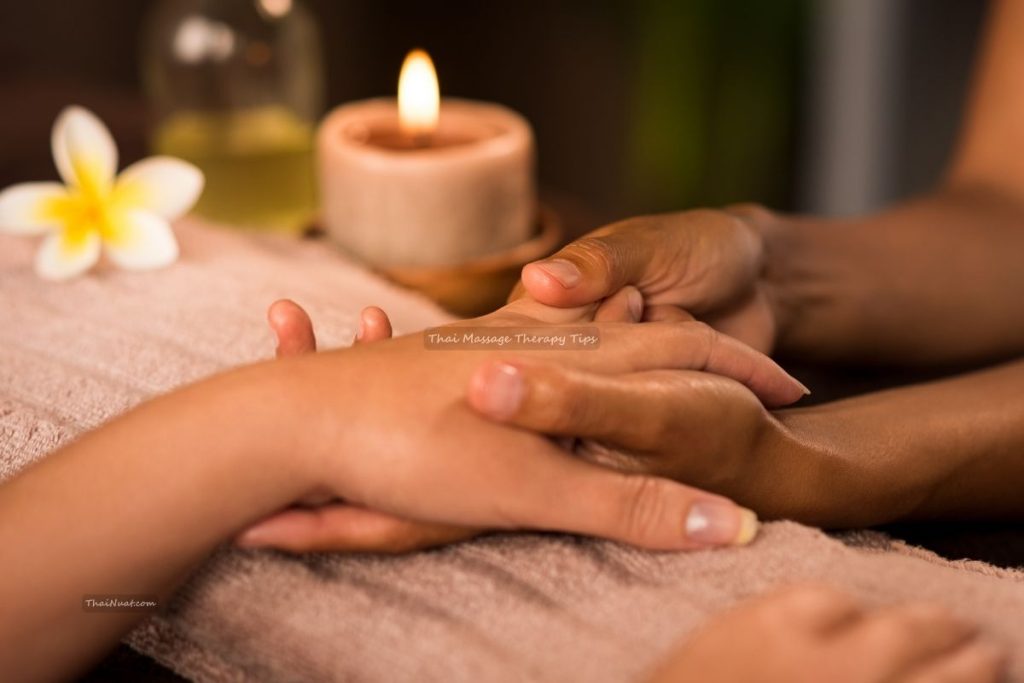
Be specific about:
- The exact area
- How long it has felt tense
- Which movements make it worse
- Whether there is pain
- Whether the feeling spreads
- Any recent injury
- Previous treatment
- Areas you do not want massaged
For example, saying that the right shoulder feels tight after computer work is more helpful than simply asking for a full-body massage.
Do not hide symptoms because you are worried the practitioner may modify or postpone the session. Accurate information makes the massage safer.
Mention Relevant Health Conditions
Thai massage may involve pressure and assisted movement, so the therapist should know about relevant health concerns.
Mention:
- Recent surgery
- Pregnancy
- Osteoporosis
- Joint replacements
- Blood-clotting concerns
- Skin conditions
- Diabetes
- Reduced sensation
- High or low blood pressure
- Recent injuries
- Medication affecting bruising
- Limited mobility
The therapist may need to avoid certain areas, reduce pressure, change positions, or recommend medical approval.
Responsible Thai massage therapy tips always place health and safety before completing a standard routine.
Choose The Right Pressure
Massage pressure is subjective. What feels moderate to one person may feel excessive to another.
Pressure can be described as:
- Light
- Gentle
- Moderate
- Firm
- Deep
A useful pressure level may feel noticeable and focused, but it should remain controlled and tolerable.
Ask for less pressure when you experience:
- Sharp pain
- Burning
- Tingling
- Numbness
- Strong throbbing
- Dizziness
- Nausea
- Difficulty breathing
- An urge to pull away
Strong pain is not proof that tension is being released. It may cause the body to tighten defensively.
Do Not Endure Pain Silently
Some clients remain quiet because they do not want to offend the therapist.
You have the right to say:
- Please use less pressure
- That area feels painful
- Please stop that stretch
- I need to change position
- Please avoid this area
- I would like to end the session
Communication is one of the essential Thai massage therapy tips because the practitioner cannot feel exactly what the client feels.
A skilled therapist should respond professionally rather than insist that intense pain is necessary.
Begin Gently
If it is your first Thai massage, request a gentle or moderate session.
Starting gently allows you to understand:
- How your body responds to pressure
- Which stretches feel comfortable
- Whether floor positioning suits you
- How you feel after treatment
- Which areas are more sensitive
A first session does not need to include every traditional stretch.
The therapist can gradually increase pressure only when the body remains comfortable.
Wear Suitable Clothing
Traditional Thai massage is usually performed through clothing.
Choose clothes that are:
- Loose
- Lightweight
- Clean
- Flexible
- Comfortable
- Easy to move in
Avoid tight jeans, restrictive skirts, belts, large buttons, or clothing that prevents comfortable bending.
Many massage centres provide loose trousers and a shirt.
Comfortable clothing supports the assisted movements described in these Thai massage therapy tips.
Avoid A Heavy Meal Before Massage
A large meal immediately before Thai massage may feel uncomfortable, especially during twisting, side-lying, or stomach-down positions.
Eat lightly beforehand and allow time for digestion.
It is also sensible to:
- Drink water normally
- Avoid excessive alcohol
- Use the toilet before the session
- Arrive without rushing
- Remove heavy jewellery
- Turn off unnecessary phone notifications
There is no need to fast or drink excessive water before massage.
Relax Your Breathing
People sometimes hold their breath when pressure increases or a stretch feels unfamiliar.
Try to breathe normally and steadily.
A useful approach is:
- Breathe in gently
- Relax the jaw
- Allow the shoulders to soften
- Breathe out during the stretch
- Tell the therapist if breathing becomes difficult
Breathing may help the body remain calm, but it should never be used to tolerate unsafe pain.
Among the most practical Thai massage therapy tips, steady breathing can make gentle movement feel more manageable.
Understand Assisted Stretching
Thai massage is sometimes described as passive or assisted yoga because the therapist may guide the client into supported stretches.
These movements may involve:
- Legs
- Hips
- Back
- Shoulders
- Arms
- Ankles
- Gentle twists
The stretch should remain within a comfortable range.
A therapist should not force a joint beyond its natural movement or push against strong resistance.
People with hypermobility may need less stretching rather than more. Flexible joints do not always need to be taken to their maximum range.
Neck And Shoulder Tension
Neck and shoulder tightness is common among people who work at computers or use phones frequently.
Thai massage may include pressure around:
- Upper shoulders
- Shoulder blades
- Upper back
- Arms
- Hands
- Base of the skull
The neck is sensitive, so aggressive twisting or sudden movements should be avoided.
Tell the therapist about headaches, dizziness, previous neck injuries, numbness, or pain spreading into the arm.
Safe Thai massage therapy tips never recommend forceful neck work for unexplained symptoms.
Upper Back Tension
Upper back tension may be associated with sitting, driving, stress, repetitive tasks, or carrying bags.
The therapist may use palm pressure, thumb pressure, rocking, and shoulder movement.
Comfortable work around the upper back may feel relaxing, but pressure should not be applied directly and forcefully over the spine.
Daily support may also include:
- Movement breaks
- Adjusting screen height
- Changing sitting positions
- Gentle shoulder movement
- Strengthening exercises when appropriate
- Avoiding heavy one-sided bags
Massage can complement these habits rather than replace them.
Lower Back Tension
Lower back tension can have many causes, so massage should be approached carefully.
The therapist may work around:
- Hips
- Gluteal muscles
- Back muscles
- Thighs
- Hamstrings
Direct, excessive pressure over the spine should be avoided.
Massage should not be used casually for severe pain, pain following a fall, pain with fever, leg weakness, numbness, or problems controlling the bladder or bowel. These symptoms require urgent medical assessment.
Useful Thai massage therapy tips should never present all lower back pain as simple muscle tension.
Hip And Leg Tightness
Long sitting, travel, walking, exercise, and physical work may contribute to tight-feeling hips and legs.
Thai massage may include:
- Palm pressure on the thighs
- Gentle hip movement
- Hamstring stretches
- Calf pressure
- Ankle movement
- Foot massage
Inform the therapist about knee problems, hip replacements, varicose veins, swelling, or suspected circulation concerns.
Unexplained one-sided calf pain, warmth, redness, or swelling should not be massaged until a healthcare professional has ruled out a blood clot.
Foot Tension
Feet can feel tired after walking, standing, or wearing unsuitable shoes.
Thai foot massage may involve:
- Thumb pressure
- Palm pressure
- Gentle ankle movement
- Calf massage
- Wooden massage tools
Tools should not be used with excessive force.
Avoid foot massage over:
- Open wounds
- Blisters
- Infections
- Recent sprains
- Severe swelling
- Areas with reduced sensation
People with diabetes-related foot problems should obtain appropriate professional advice.
Ask For Positioning Support
Thai massage may involve lying on the back, stomach, side, or sitting.
Pillows, folded towels, or bolsters can improve comfort.
Ask for support:
- Under the knees
- Under the ankles
- Under the head
- Between the knees
- Beneath the chest
- Behind the back
People with limited mobility should not be expected to remain in an uncomfortable floor position.
Modified positioning is an important part of safe Thai massage therapy tips.
Avoid Overstretching
Stretching should create gentle or moderate tension, not sharp pain.
Warning signs of excessive stretching include:
- Sudden pain
- Joint pinching
- Tingling
- Numbness
- Muscle cramping
- Instability
- Strong pulling behind a joint
Ask the therapist to reduce the range immediately.
Greater flexibility is not always the goal of massage. Comfort, control, and safe movement are more important.
Do Not Request Maximum Pressure Automatically
Some people believe that stronger massage produces faster results.
Excessive pressure may lead to:
- Bruising
- Increased soreness
- Protective muscle tightening
- Skin irritation
- Nerve discomfort
- Reduced trust
- An unpleasant experience
Deep work may suit some clients and areas, but it should be chosen carefully.
One of the best Thai massage therapy tips is to use the lowest pressure that produces a comfortable and useful effect.
Pay Attention To The Treatment Environment
A professional massage area should appear clean and organised.
Look for:
- Clean mats or tables
- Fresh towels
- Clean clothing
- Washed hands
- Proper ventilation
- Safe floors
- Clean face supports
- Private changing arrangements
- Clear prices
- Professional conduct
Do not continue if the environment appears unhygienic or unsafe.
Massage cleanliness is especially important when the skin has small cuts, irritation, or sensitivity.
Respect Consent And Boundaries
The client decides which areas may be treated.
You may request that the therapist avoid:
- Abdomen
- Chest
- Inner thighs
- Feet
- Head
- Injured areas
- Any area that feels uncomfortable
Consent can be withdrawn at any point.
A professional practitioner should explain the technique and respect the request without argument.
These Thai massage therapy tips apply whether the session takes place at a spa, clinic, hotel, wellness centre, or traditional massage shop.
What To Do After Thai Massage
After the session, stand up slowly.
Some people feel relaxed, sleepy, or temporarily light-headed after lying down.
Helpful aftercare may include:
- Drinking water according to thirst
- Taking a gentle walk
- Eating a normal meal
- Resting when tired
- Taking a warm shower
- Avoiding unusually intense exercise if sore
- Noticing how the body responds
There is no scientific need to drink extreme amounts of water to flush out toxins.
The body naturally manages waste through the liver, kidneys, lungs, skin, and digestive system.
Mild Tenderness After Massage
Temporary tenderness can occur after firm pressure or unfamiliar stretching.
It should usually remain mild and gradually improve.
Comfortable aftercare can include:
- Gentle movement
- A warm shower
- Normal hydration
- Adequate sleep
- Avoiding another intense massage immediately
Severe pain, major swelling, extensive bruising, weakness, numbness, or worsening symptoms should not be ignored.
Future sessions may need lighter pressure, shorter duration, or a different massage style.
Combine Massage With Daily Movement
Body tension often returns when the same daily habits continue.
Combine these Thai massage therapy tips with:
- Regular walking
- Movement breaks
- Gentle stretching
- Suitable strengthening
- Better workstation positioning
- Changing sitting positions
- Comfortable footwear
- Adequate sleep
Small movement breaks during the day may be more useful than waiting until the body feels extremely stiff.
Massage can provide support, but everyday movement helps maintain comfort between sessions.
Improve Your Workstation
People who sit for long periods may benefit from checking:
- Screen height
- Chair support
- Keyboard position
- Mouse position
- Foot support
- Desk height
- Lighting
- Break frequency
There is no single perfect sitting posture that must be held all day.
Changing position and moving regularly can be more helpful than trying to remain completely still in a supposedly ideal posture.
Use Gentle Stretching Between Sessions
Simple stretching may support mobility between massages.
Possible movements include:
- Shoulder rolls
- Gentle neck turns
- Chest opening
- Wrist stretches
- Hip movement
- Calf stretches
- Ankle circles
Move slowly and remain within a comfortable range.
Stop if a stretch causes sharp pain, numbness, dizziness, or instability.
People with injuries or medical conditions may need personalised guidance from a physiotherapist or another qualified professional.
Prioritise Sleep And Recovery
Poor sleep can affect how the body experiences discomfort and tension.
A supportive evening routine may include:
- Reducing late screen use
- Keeping a regular bedtime
- Using comfortable bedding
- Avoiding heavy late meals
- Gentle breathing
- Light stretching
- A quiet wind-down period
Massage may support relaxation, but it cannot compensate fully for continuing sleep loss.
The most effective Thai massage therapy tips work alongside rest and recovery.
Manage Stress Realistically
Stress may contribute to jaw clenching, raised shoulders, shallow breathing, and feelings of tightness.
Helpful stress-management habits can include:
- Walking
- Breathing exercises
- Relaxation time
- Talking with someone
- Reducing unnecessary commitments
- Taking breaks
- Spending time outdoors
- Seeking professional support when needed
Massage may create a calm period, but long-term stress often requires broader changes.
When Thai Massage May Be Unsuitable
Thai massage may need to be postponed, modified, or approved by a healthcare professional when someone has:
- Fever
- Contagious illness
- Open wounds
- Active skin infection
- Recent surgery
- Acute injury
- Suspected blood clot
- Recent fracture
- Severe osteoporosis
- Unexplained swelling
- Severe uncontrolled pain
- Significant bleeding risk
Massage should not be performed directly over damaged or infected tissue.
When uncertain, seek medical guidance before booking.
Thai Massage During Pregnancy
Pregnant clients should choose a practitioner trained in prenatal massage.
The therapist may need to adjust:
- Positioning
- Pressure
- Stretching
- Session duration
- Abdominal work
- Use of heat
- Herbal products
Certain health situations during pregnancy may require medical approval or make massage unsuitable.
Prenatal massage should focus on gentle comfort rather than intensive stretching or pressure.
Thai Massage For Older Adults
Older adults may benefit from a slower, gentler session.
Considerations include:
- Skin fragility
- Bruising
- Osteoporosis
- Medication
- Joint replacements
- Limited mobility
- Reduced sensation
- Balance concerns
Thai massage can be modified with table-based work, pillows, less stretching, and lighter pressure.
Age alone does not determine suitability. Individual health and comfort matter more.
How Often To Book Thai Massage
There is no fixed schedule for everyone.
Frequency may depend on:
- Personal preference
- Budget
- Pressure level
- Physical activity
- Recovery
- Health
- Daily routine
- Professional guidance
Some people book an occasional session. Others prefer a regular appointment.
Allow time to observe how the body responds before scheduling another intensive treatment.
More massage is not automatically better.
Common Thai Massage Mistakes
Choosing The Strongest Pressure
Deep pressure is not necessary for every person or area.
Staying Silent During Pain
The therapist needs feedback to adjust the treatment safely.
Hiding An Injury
Unreported injuries may be aggravated by pressure or stretching.
Expecting One Session To Fix Everything
Continuing tension may also require movement, rest, workstation changes, or medical assessment.
Stretching Beyond A Comfortable Range
Thai massage should never become a flexibility competition.
Booking Massage For Serious Symptoms
Severe, unexplained, or worsening symptoms need appropriate healthcare.
Ignoring Aftercare
A gentle return to activity may feel better than immediate intense exercise.
Believing Soreness Proves Success
Pain and bruising are not reliable measures of an effective massage.
Avoiding these mistakes makes Thai massage therapy tips easier to apply safely.
Setting Realistic Expectations
After Thai massage, you may feel:
- Relaxed
- Sleepy
- More mobile
- Temporarily less tense
- Mildly tender
- Calm
- Refreshed
Responses differ.
Thai massage should not be expected to guarantee:
- Permanent pain relief
- Correction of every posture problem
- Removal of toxins
- Treatment of disease
- Healing of serious injuries
- Complete stress removal
- Instant flexibility
Realistic expectations help you decide whether the experience supports your personal wellness routine.
👉 “Readers interested in easing everyday body tension may also explore this practical introduction to massage therapy and wellness for broader self-care guidance..”
Conclusion
The best Thai massage therapy tips focus on safety, suitable pressure, clear communication, and realistic goals.
Choose a trained professional who asks about your health, listens to your concerns, and adjusts pressure and stretching according to your comfort. Explain where you feel tension and mention injuries, medical conditions, pregnancy, medication, or areas you want avoided.
Thai massage should never require enduring sharp pain. Ask for lighter pressure, a smaller stretch, extra positioning support, or an end to the session whenever necessary.
After treatment, stand slowly, drink according to thirst, rest when needed, and avoid unusually intense activity if the body feels tender. Mild temporary soreness may occur, but severe or worsening symptoms should be assessed appropriately.
Massage may support short-term relaxation and comfort, but everyday habits remain important. Walking, movement breaks, gentle stretching, sleep, stress management, and a suitable workstation may help reduce recurring tension.
Used thoughtfully, these Thai massage therapy tips can help make traditional Thai massage a safer and more comfortable part of a balanced wellness routine.
FAQ
Can Thai Massage Help With Body Tension?
Thai massage may help some people feel temporarily more relaxed, mobile, or comfortable. Results differ, and continuing or severe symptoms may require professional assessment.
Should Thai Massage Feel Painful?
No. Strong pressure may feel intense, but sharp, burning, or unbearable pain is a reason to stop or reduce the technique.
What Should I Tell The Therapist Before A Session?
Mention injuries, surgery, pregnancy, medication, skin conditions, circulation concerns, limited mobility, painful areas, and areas you do not want treated.
What Should I Wear For Thai Massage?
Wear loose, clean, flexible clothing. Many massage centres provide suitable trousers and a shirt.
Is Thai Massage Good For Neck Tension?
Gentle work around the shoulders and upper back may feel helpful, but forceful neck twisting should be avoided, especially with injury, dizziness, numbness, or severe headaches.
Can Thai Massage Help Lower Back Tension?
It may support temporary comfort for ordinary muscle tension, but severe, unexplained, or radiating back pain requires appropriate medical assessment.
How Much Pressure Should I Request?
Begin with gentle or moderate pressure, especially during a first session. Pressure can be increased only when it remains comfortable.
What Should I Do After Thai Massage?
Stand slowly, drink normally, take gentle movement, rest if needed, and avoid unusually intense exercise when tender.
How Often Can I Have Thai Massage?
There is no universal schedule. Frequency depends on health, pressure, recovery, goals, and personal preference.
When Should Thai Massage Be Avoided?
It may be unsuitable with fever, contagious illness, open wounds, active infection, suspected blood clots, acute injury, recent surgery, fractures, or severe unexplained pain.