



- Introduction
- Understanding Massage Therapy
- How Massage Fits Into Wellness
- Possible Benefits Of Massage
- Relaxation And Stress Management
- Thai Massage
- Thai Oil Massage
- Swedish Massage
- Deep Tissue Massage
- Herbal Compress Massage
- Foot Massage
- Head, Neck, And Shoulder Massage
- Choosing The Right Massage Style
- Understanding Massage Pressure
- Choosing A Qualified Massage Therapist
- The Importance Of A Health Consultation
- Preparing For A Massage
- What To Expect During The Session
- Breathing During Massage
- Massage And Everyday Muscle Tension
- Massage And Exercise
- Massage Aftercare
- Is Tenderness After Massage Normal?
- How Often Should You Get A Massage?
- When Massage May Be Unsuitable
- Massage During Pregnancy
- Massage For Older Adults
- Massage For Children
- Massage And Chronic Pain
- Massage And Mental Wellbeing
- Oils, Balms, And Herbal Products
- Hygiene And Cleanliness
- Professional Boundaries And Consent
- Combining Massage With A Wellness Routine
- Common Massage Mistakes
- Creating Realistic Expectations
- Conclusion
- FAQ
- What Is Massage Therapy And Wellness?
- Which Massage Is Best For Beginners?
- Should A Massage Be Painful?
- What Is The Difference Between Thai Massage And Oil Massage?
- How Often Should I Get A Massage?
- Should I Drink Extra Water After Massage?
- Can Massage Treat An Injury?
- When Should Massage Be Avoided?
- Is Massage Safe During Pregnancy?
- How Do I Choose A Massage Therapist?
Introduction
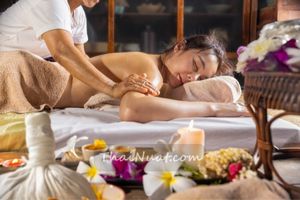
Massage is used in many cultures as a form of relaxation, body care, and supportive wellness. A professional massage session may involve gentle touch, rhythmic pressure, stretching, oil application, or focused work on selected areas of the body.
The relationship between massage therapy and wellness should be approached with realistic expectations. Massage may help some people feel calmer, less tense, or more comfortable for a period of time, but it is not a guaranteed cure for pain, stress, injury, or illness.
A safe and helpful experience depends on the type of massage, the practitioner’s training, the pressure used, the client’s health, and clear communication throughout the session. A technique that feels relaxing to one person may feel uncomfortable or unsuitable to another.
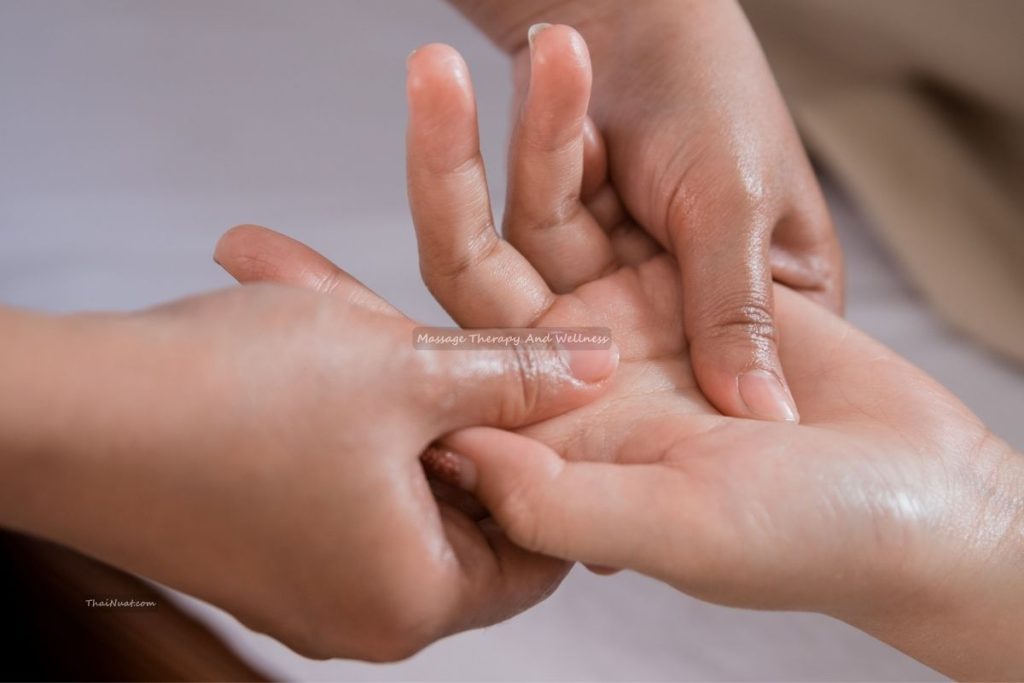
This guide explains how massage therapy and wellness can work together as part of a balanced routine. It covers popular massage styles, possible benefits, pressure levels, therapist selection, preparation, aftercare, common mistakes, and situations in which massage may need to be avoided or approved by a healthcare professional.
👉 “Readers interested in the wider background of traditional wellness may also explore this introduction to traditional Thai medicine for more context on its practices and cultural roots.”
Understanding Massage Therapy
Massage therapy generally involves manipulating soft tissues such as muscles and surrounding connective tissues.
Depending on the style, a practitioner may use:
- Palms
- Fingers
- Thumbs
- Forearms
- Elbows
- Gentle stretching
- Rocking movements
- Oil or balm
- Warm herbal compresses
- Assisted positioning
Some sessions focus primarily on relaxation. Others concentrate on temporary muscle tension, mobility, or recovery after ordinary physical activity.
Professional massage therapy and wellness should always respect the client’s comfort, boundaries, health needs, and right to stop the session.
How Massage Fits Into Wellness
Wellness is broader than one treatment or activity. It can include sleep, movement, nutrition, stress management, social connection, healthcare, and time for rest.
Massage may become one element of a personal wellness routine alongside:
- Regular sleep
- Gentle exercise
- Stretching
- Balanced meals
- Drinking enough water
- Relaxation practices
- Time outdoors
- Medical care when needed
- Healthy work habits
The most responsible approach to massage therapy and wellness does not present massage as a replacement for all other forms of care.
A massage may offer a useful pause in a busy week, but lasting wellbeing usually depends on several supportive habits.
Possible Benefits Of Massage
People often seek massage for relaxation, temporary relief from everyday muscle tension, or a greater sense of physical comfort.
Possible short-term effects may include:
- Feeling more relaxed
- Reduced perception of muscle tightness
- Temporary improvement in comfort
- A calmer mood
- Greater body awareness
- Easier rest after the session
- A break from work or daily responsibilities
Individual responses vary. Some people feel refreshed, while others feel sleepy or mildly tender after unfamiliar pressure.
Claims about massage therapy and wellness should remain cautious. Massage does not guarantee better health, permanent pain relief, detoxification, improved immunity, or treatment of a medical condition.
Relaxation And Stress Management
A quiet environment, comfortable touch, slower breathing, and time away from daily demands may help some people relax.
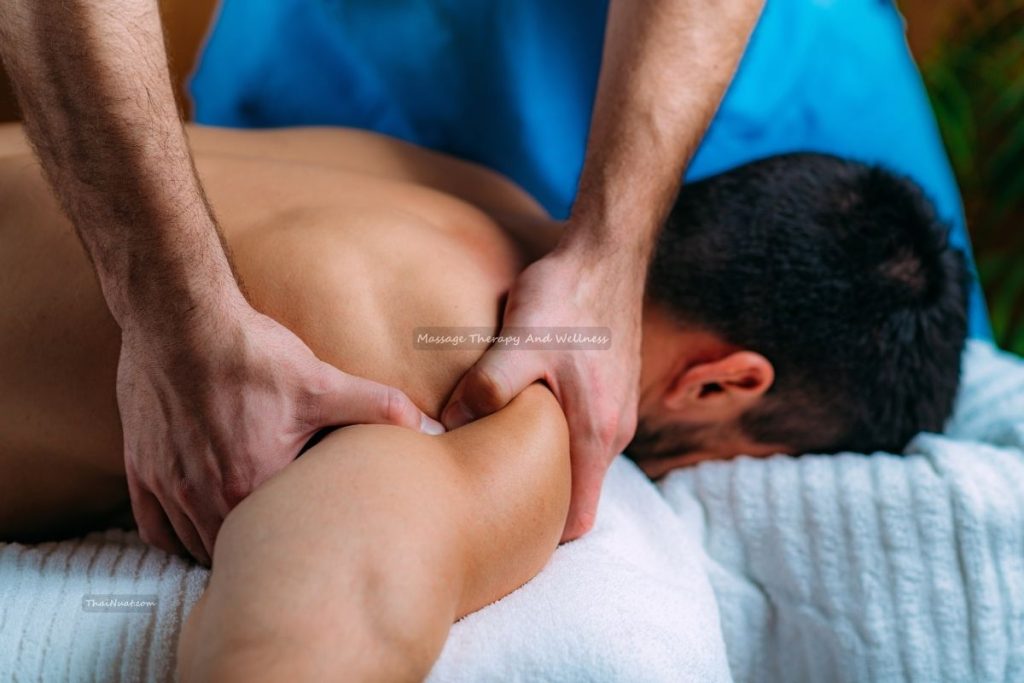
Relaxation massage often uses:
- Slow movements
- Light or moderate pressure
- Repeated strokes
- Comfortable positioning
- A quiet atmosphere
- Minimal intense stretching
Massage can be one part of stress management, but ongoing or severe stress may also require changes to work routines, sleep, responsibilities, relationships, or professional mental-health support.
Using massage therapy and wellness together means recognising that relaxation is helpful while also addressing the causes of continuing stress.
Thai Massage
Traditional Thai massage usually combines pressure, assisted stretching, rhythmic movement, and supported positions.
It is commonly performed on a floor mat while the client wears loose, comfortable clothing. Oil is not always used.
A Thai massage session may include:
- Palm pressure
- Thumb pressure
- Gentle rocking
- Leg and arm stretches
- Supported twists
- Work along different areas of the body
Thai massage pressure can range from gentle to firm. It should never be assumed that stronger pressure is automatically more authentic or effective.
People with limited mobility, joint problems, recent injuries, osteoporosis, or certain medical conditions may need a modified session or may need to avoid particular stretches.
Within massage therapy and wellness, Thai massage is best approached as an adaptable practice rather than a fixed routine that every person must receive in the same way.
Thai Oil Massage
Thai oil massage generally combines oil-based strokes with pressure techniques that may be influenced by Thai and international massage practices.
Compared with traditional clothed Thai massage, it often involves:
- Smoother gliding movements
- Less assisted stretching
- Direct contact with the skin
- Light to firm pressure
- A massage table rather than a floor mat
The practitioner should explain draping, privacy, and which areas will be treated.
Clients should mention allergies or sensitivities to oils, fragrances, herbs, nuts, or other ingredients before the session.
Oil massage can support massage therapy and wellness when the products, pressure, and environment are appropriate for the individual.
Swedish Massage
Swedish massage is commonly associated with relaxation and flowing oil-based movements.
Techniques may include:
- Long strokes
- Kneading
- Circular movements
- Gentle tapping
- Light joint movement
Pressure is usually adjustable.
This style may suit beginners who want a calm introduction to professional massage without intensive stretching or highly focused pressure.
However, the name of a massage does not guarantee that every practitioner uses exactly the same method. Discuss expectations before the session begins.
Deep Tissue Massage
Deep tissue massage uses slower and more focused pressure on selected areas.
It is often requested for persistent feelings of tightness, but deeper pressure is not appropriate for everyone.
A deep tissue session should not involve unbearable pain. Intense pain can cause guarding, anxiety, or increased discomfort rather than relaxation.
Tell the practitioner immediately if pressure causes:
- Sharp pain
- Burning
- Tingling
- Numbness
- Dizziness
- Nausea
- Difficulty breathing
Responsible massage therapy and wellness prioritises safe communication over the idea that pain must be endured.
Herbal Compress Massage
A Thai herbal compress is a fabric bundle containing herbs that is warmed and applied to the body.
Ingredients may include:
- Plai
- Lemongrass
- Kaffir lime
- Turmeric
- Camphor
- Tamarind leaves
- Other regional herbs
The warmth and aroma may create a soothing experience, while the compress can be pressed or rolled over selected areas.
The temperature must be checked carefully. A compress that is too hot can burn the skin.
People with reduced sensation, diabetes-related nerve problems, circulatory concerns, sensitive skin, or heat intolerance should discuss safety before receiving this treatment.
Herbal compresses may complement massage therapy and wellness, but they should not be promoted as a proven cure for disease.
Foot Massage
Foot massage may include pressure on the feet, ankles, and lower legs.
It can be a practical choice for people who do not want a full-body session.
A foot massage may involve:
- Hand pressure
- Thumb pressure
- Gentle stretching
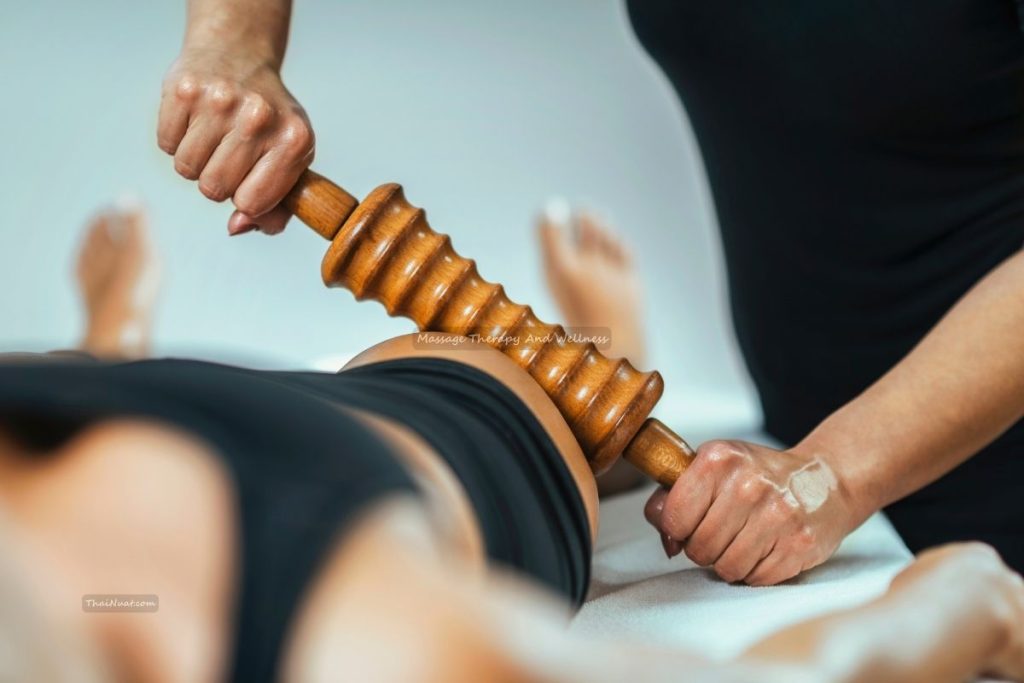
- Massage tools
- Lotion or balm
- Work on the calves
Pressure tools should be used carefully. Strong pressure on a sensitive area can cause pain or bruising.
People with foot wounds, infections, severe swelling, blood-clot concerns, or complications related to diabetes should seek medical guidance before treatment.
Head, Neck, And Shoulder Massage
This shorter style is popular with people who sit at desks, travel frequently, or carry tension around the upper body.
The session may focus on:
- Scalp
- Neck
- Shoulders
- Upper back
- Arms
- Hands
The neck is a sensitive area. Forceful twisting, aggressive pressure, or sudden movements should be avoided.
Clients with dizziness, neck injuries, severe headaches, neurological symptoms, or recent accidents should consult a healthcare professional before massage.
Choosing The Right Massage Style
The most suitable massage depends on your goals, health, comfort, and previous experience.
Consider whether you want:
- General relaxation
- Gentle touch
- Oil-based strokes
- Clothed massage
- Assisted stretching
- Focused muscle work
- A short foot session
- A warm herbal treatment
- A full-body session
Beginners may prefer a gentle relaxation or oil massage.
People interested in movement and stretching may choose modified Thai massage, while those wanting focused pressure may ask about a carefully adjusted deep tissue session.
Good massage therapy and wellness begins with choosing a style that suits the person rather than following trends.
Understanding Massage Pressure
Massage pressure is commonly described as:
- Light
- Gentle
- Moderate
- Firm
- Deep
These descriptions are subjective. One practitioner’s moderate pressure may feel firm to a client.
A useful pressure level should feel tolerable and controlled. It may create a sense of pressure or mild tenderness, but it should not cause panic, sharp pain, or the urge to pull away.
Clients should feel comfortable saying:
- Please use less pressure
- That area is sensitive
- Please avoid that stretch
- I would like to stop
- Please focus on another area
Communication is an essential part of massage therapy and wellness, not a sign that the client is being difficult.
Choosing A Qualified Massage Therapist
A good therapist should behave professionally and explain what to expect.
Look for:
- Relevant training
- Experience with the requested massage
- Clean treatment areas
- Clear pricing
- Professional boundaries
- A health consultation
- Willingness to adjust pressure
- Respect for privacy
- Proper draping
- Clean equipment
- Safe hygiene practices
Ask how the practitioner was trained and whether they have experience with your needs.
A therapist should not diagnose medical conditions outside their professional scope or promise guaranteed treatment results.
The Importance Of A Health Consultation
Before the session, the practitioner may ask about:
- Injuries
- Surgery
- Pregnancy
- Medication
- Allergies
- Skin conditions
- Pain
- Mobility
- Blood pressure
- Circulatory concerns
- Previous massage experience
Answer honestly. This information helps the therapist adapt or postpone the treatment.
A client may also identify areas they do not want touched.
A proper consultation strengthens the relationship between massage therapy and wellness by making the session more personal and safer.
Preparing For A Massage
Simple preparation can make the session more comfortable.
Before your appointment:
- Eat lightly rather than having a large meal
- Drink water normally
- Arrive with enough time
- Wear comfortable clothing
- Remove valuable jewellery
- Mention allergies
- Explain sensitive areas
- Use the toilet
- Turn off unnecessary notifications
- Ask questions before treatment begins
Avoid arriving under the influence of alcohol or recreational drugs.
Do not hide an injury or medical concern because you are worried the session may be modified. A safer modified treatment is better than an unsuitable one.
What To Expect During The Session
The therapist should explain:
- The massage style
- Whether clothing stays on
- How draping works
- Which areas will be treated
- How long the session lasts
- Whether oil or heat will be used
- How to communicate discomfort
During an oil massage, only the area currently being treated should normally be uncovered according to professional draping practices.
You can request changes at any time.
Massage consent is ongoing. Agreeing to begin a session does not mean agreeing to every technique or body area.
Breathing During Massage
People sometimes hold their breath when pressure becomes strong.
Try to breathe naturally and keep the jaw and shoulders relaxed.
Slow breathing may make gentle stretching and moderate pressure feel easier. However, breathing should not be used to tolerate unsafe or excessive pain.
Ask the practitioner to reduce pressure if you cannot breathe comfortably.
The purpose of massage therapy and wellness is supportive care, not a test of endurance.
Massage And Everyday Muscle Tension
Muscle tension can be influenced by:
- Long periods of sitting
- Repetitive work
- Stress
- Poorly arranged workstations
- Physical activity
- Heavy bags
- Limited movement
- Inadequate sleep
Massage may temporarily help some people feel more comfortable, but recurring tension may return if daily habits remain unchanged.
Consider combining massage with:
- Movement breaks
- Workspace adjustments
- Gentle strengthening
- Stretching
- Better sleep
- Reduced carrying loads
- Professional assessment when necessary
This combined approach makes massage therapy and wellness more practical over the long term.
Massage And Exercise
Some people use massage around exercise or sports.
A gentle session may feel relaxing after ordinary activity. However, intense pressure immediately before competition or demanding training may leave some people feeling tender.
Massage should not be used to hide a serious injury so that exercise can continue.
Seek appropriate assessment for:
- Sudden severe pain
- Major swelling
- Loss of strength
- Joint instability
- Numbness
- Inability to bear weight
- Suspected fracture
- Significant bruising
A qualified sports or healthcare professional can advise on recovery and return to activity.
Massage Aftercare
After a massage, take a little time before returning to a demanding schedule.
Helpful aftercare may include:
- Standing up slowly
- Drinking water according to thirst
- Eating a normal balanced meal
- Taking a gentle walk
- Avoiding unusually intense exercise if tender
- Having a warm shower
- Noticing how the body responds
- Resting when needed
There is no need to drink extreme amounts of water to “flush out toxins.” The body already manages waste through normal biological processes.
Evidence-based massage therapy and wellness should avoid unsupported detoxification claims.
Is Tenderness After Massage Normal?
Mild temporary tenderness can occur after unfamiliar or firm pressure.
It should generally improve rather than become increasingly severe.
Seek medical advice if you develop:
- Severe or worsening pain
- Significant swelling
- Extensive bruising
- Numbness
- Weakness
- Fever
- Breathing difficulty
- Chest pain
- Other concerning symptoms
Pain after massage should not automatically be considered proof that the treatment worked.
Future sessions may need lighter pressure or a different technique.
How Often Should You Get A Massage?
There is no universal schedule.
Frequency depends on:
- Personal preference
- Budget
- Health
- Massage intensity
- Recovery
- Daily activity
- Treatment goals
- Professional advice
Some people enjoy an occasional massage, while others schedule sessions regularly.
More frequent massage is not automatically better. The body needs time to respond, especially after firm pressure.
A sustainable plan for massage therapy and wellness should fit your needs without creating financial pressure or dependence on treatment.
When Massage May Be Unsuitable
Massage may need to be postponed, adapted, or approved by a healthcare professional in some situations.
Examples include:
- Fever
- Contagious illness
- Active skin infection
- Open wounds
- Recent surgery
- Suspected blood clot
- Unexplained swelling
- Acute injury
- Severe osteoporosis
- Uncontrolled medical conditions
- Significant bleeding concerns
- Recent fracture
- Severe unexplained pain
Massage should not be performed directly over wounds, burns, infections, or newly injured tissue.
When uncertain, obtain medical guidance before booking.
Massage During Pregnancy
Massage during pregnancy should be provided by someone trained in prenatal care.
The therapist may need to adjust:
- Positioning
- Pressure
- Treatment areas
- Session length
- Use of heat
- Oils and herbal products
Pregnant clients should discuss relevant health concerns with their maternity-care professional.
Strong abdominal work, uncomfortable positioning, excessive heat, and unsuitable essential oils should be avoided.
Prenatal massage therapy and wellness should focus on comfort and safety rather than intense techniques.
Massage For Older Adults
Older adults may enjoy massage, but sessions may need to be gentler.
Considerations include:
- Thinner skin
- Bruising risk
- Osteoporosis
- Joint replacements
- Medication
- Reduced sensation
- Mobility limitations
- Circulatory conditions
Comfortable positioning and light pressure may be more appropriate than deep work or intensive stretching.
Age alone does not make massage unsuitable, but individual health should guide the treatment.
Massage For Children
Massage for children requires age-appropriate techniques, clear parental consent, professional boundaries, and a practitioner trained to work with younger clients.
Pressure should be gentle, and sessions are usually shorter.
Children should never be forced to receive massage or continue when uncomfortable.
Parents or guardians should understand the treatment, setting, and consent process.
Massage And Chronic Pain
People with chronic pain may seek massage for comfort, but the cause and nature of the pain matter.
Massage may not be suitable during certain flare-ups or for particular conditions.
A professional should not promise to cure chronic pain through massage alone.
A broader care plan may include:
- Medical evaluation
- Physiotherapy
- Appropriate exercise
- Medication when prescribed
- Sleep support
- Stress management
- Activity planning
Massage can sometimes complement this plan, but it should not replace necessary healthcare.
Massage And Mental Wellbeing
A calm massage session may support relaxation and provide a sense of care.
However, massage is not a substitute for qualified mental-health treatment.
Some people may feel uncomfortable with touch because of personal history, anxiety, cultural preferences, or trauma. They should not be pressured to receive massage.
Alternatives may include:
- Breathing exercises
- Gentle stretching
- Walking
- Meditation
- Warm baths
- Professional counselling
- Other forms of self-care
The connection between massage therapy and wellness should always respect personal boundaries.
Oils, Balms, And Herbal Products
Massage products may contain:
- Coconut oil
- Rice bran oil
- Sesame oil
- Mineral oil
- Essential oils
- Menthol
- Camphor
- Herbal extracts
- Fragrance
- Nut-derived ingredients
Ask what will be used before it is applied.
People with sensitive skin, asthma, allergies, or fragrance intolerance may prefer a plain, unscented product.
Products should not be applied to broken skin or near the eyes.
More fragrance does not mean greater therapeutic value.
Hygiene And Cleanliness
A professional massage environment should use:
- Clean sheets
- Fresh towels
- Washed hands
- Clean equipment
- Hygienic oil containers
- Properly cleaned face supports
- Fresh covers
- Clean treatment rooms
- Safe laundry practices
Reusable herbal compresses and tools require appropriate handling.
Do not continue with a treatment if the environment appears unhygienic or unsafe.
Cleanliness is a basic requirement of massage therapy and wellness, not an optional luxury.
Professional Boundaries And Consent
Massage therapy should remain professional.
The client has the right to:
- Understand the treatment
- Choose the pressure
- Refuse a technique
- Keep certain areas covered
- Request a different position
- End the session
- Ask for another practitioner
- Report inappropriate behaviour
A legitimate massage session should not involve pressure to accept unwanted contact or services.
Trust, consent, and respectful communication are central to safe massage care.
Combining Massage With A Wellness Routine
Massage may be more useful when combined with everyday habits.
A balanced weekly routine might include:
- Regular sleep
- Daily walking
- Gentle stretching
- Balanced meals
- Short movement breaks
- Relaxation time
- Social connection
- Occasional massage
- Medical or rehabilitation care when needed
This approach prevents massage therapy and wellness from becoming dependent on one treatment.
Massage can offer support, but daily habits shape much of how the body feels between sessions.
Common Massage Mistakes
Believing More Pain Means Better Results
Strong pain is not necessary and may cause guarding, bruising, or increased discomfort.
Hiding Health Information
The therapist needs accurate information to make the session safer.
Choosing A Style Only Because It Is Popular
The massage should suit your body, goals, and comfort.
Expecting One Session To Solve A Long-Term Problem
Persistent issues may require changes to movement, sleep, work habits, or professional treatment.
Skipping Communication
Tell the therapist when pressure, temperature, position, or draping feels uncomfortable.
Treating Massage As A Medical Cure
Massage may support comfort and relaxation, but it does not replace diagnosis or treatment.
Ignoring Professional Boundaries
Leave the session if conduct feels unsafe, inappropriate, or disrespectful.
Avoiding these mistakes creates a healthier relationship between massage therapy and wellness.
Creating Realistic Expectations
A massage session may leave you feeling calm, rested, loose, sleepy, or temporarily tender.
Results may last for a short time or vary from one session to another.
A professional therapist should not guarantee:
- Permanent pain removal
- Detoxification
- Disease treatment
- Instant correction of posture
- Complete removal of stress
- Improved immunity
- Rapid weight loss
- Healing of serious injuries
Realistic expectations make it easier to evaluate whether massage is genuinely useful for you.
👉 “Readers looking for more focused advice may also explore these Thai massage tips for managing body tension and supporting everyday relaxation.”
Conclusion
The relationship between massage therapy and wellness is strongest when massage is used safely, professionally, and as one part of a wider healthy routine.
Thai massage, oil massage, Swedish massage, deep tissue work, herbal compress treatments, foot massage, and head-and-shoulder massage all offer different experiences. The most suitable option depends on personal comfort, health, mobility, pressure preference, and treatment goals.
Choose a qualified therapist who asks about your health, explains the session, respects boundaries, and adjusts pressure when requested. Massage should never require enduring sharp pain or accepting techniques that feel unsafe.
After treatment, stand slowly, rest when needed, and return gradually to normal activity. Mild tenderness may occur, but severe or worsening symptoms require appropriate medical attention.
Massage may support relaxation and temporary comfort, but it cannot replace sleep, movement, balanced nutrition, stress management, rehabilitation, or healthcare.
A thoughtful approach to massage therapy and wellness combines occasional professional treatment with healthy everyday habits, realistic expectations, clear communication, and respect for the body’s individual needs.
FAQ
What Is Massage Therapy And Wellness?
It refers to using professional massage as one part of a broader routine that may also include sleep, movement, nutrition, relaxation, and appropriate healthcare.
Which Massage Is Best For Beginners?
A gentle Swedish-style or oil relaxation massage may be a comfortable starting point. Tell the therapist that it is your first session and request light or moderate pressure.
Should A Massage Be Painful?
No. Mild pressure or tenderness may occur, but sharp, burning, or unbearable pain is a reason to ask the therapist to stop or reduce pressure.
What Is The Difference Between Thai Massage And Oil Massage?
Traditional Thai massage commonly uses clothing, pressure, and assisted stretching. Oil massage generally uses gliding movements directly on the skin with less stretching.
How Often Should I Get A Massage?
There is no fixed schedule. Frequency depends on health, goals, massage intensity, recovery, budget, and personal preference.
Should I Drink Extra Water After Massage?
Drink normally according to thirst. There is no need to consume excessive water to detoxify the body.
Can Massage Treat An Injury?
Massage may be included in a professionally managed recovery plan, but new, severe, or unexplained injuries should be assessed by a qualified healthcare provider first.
When Should Massage Be Avoided?
Massage may be unsuitable with fever, contagious illness, open wounds, active infection, suspected blood clots, acute injuries, recent surgery, or certain uncontrolled medical conditions.
Is Massage Safe During Pregnancy?
It may be suitable when provided by a trained prenatal therapist and approved when necessary by the client’s maternity-care professional.
How Do I Choose A Massage Therapist?
Look for relevant training, professional behaviour, clean facilities, clear communication, health screening, suitable draping, and willingness to adjust pressure or techniques.