




- Introduction
- Start With A Consistent Wake-Up Time
- Make Changes Gradually
- Get Natural Light In The Morning
- Create A Calm Beginning To The Day
- Move Regularly During The Day
- Avoid Intense Exercise Too Close To Bedtime
- Use Gentle Stretching To Release Daily Tension
- Build A Clear Evening Transition
- Reduce Bright Light Before Bed
- Manage Evening Screen Use
- Keep Work Away From The Bed
- Create A Comfortable Sleep Environment
- Keep The Room Comfortably Cool
- Reduce Unnecessary Noise
- Make The Room Dark Enough
- Choose A Supportive Pillow And Sleep Position
- Keep Meals Regular
- Avoid Very Heavy Late-Night Meals
- Be Thoughtful About Caffeine
- Be Cautious With Alcohol As A Sleep Aid
- Stay Hydrated Without Overdrinking Late
- Use Warm Drinks Carefully
- Try Slow Breathing
- Use A Brief Body-Relaxation Practice
- Write Down Tomorrow’s Tasks
- Give Worries A Separate Time
- Use Thai Massage As Part Of Relaxation Carefully
- Consider A Warm Herbal Compress For Comfort
- Use Baths And Showers As An Evening Signal
- Spend Time Outdoors During The Day
- Include Short Recovery Breaks
- Avoid Filling Every Hour
- Keep Naps Short And Purposeful
- Respond Calmly To A Poor Night
- Avoid Watching The Clock Repeatedly
- Get Out Of Bed When You Cannot Settle
- Make The Routine Suitable For Family Life
- Adapt Habits For Shift Work
- Notice The Difference Between Tiredness And Sleepiness
- Review Habits Without Blaming Yourself
- Signs That Professional Help May Be Needed
- Common Mistakes To Avoid
- A Simple Daily Routine
- A Simple Evening Routine
- Conclusion
- FAQ
- What Is The Best First Habit For Better Sleep?
- Can Morning Light Support Sleep?
- Should I Avoid All Screens Before Bed?
- Is Evening Exercise Bad For Sleep?
- Can Thai Massage Help Me Relax Before Bed?
- Are Herbal Sleep Products Always Safe?
- What Should I Do After A Poor Night Of Sleep?
- Should I Stay In Bed When I Cannot Sleep?
- When Should I Seek Professional Help?
- How Long Should An Evening Routine Be?
Introduction
Sleep influences energy, concentration, mood, appetite, movement, and the way the body responds to everyday demands. When rest becomes irregular, even ordinary tasks may feel more difficult.
Supporting better sleep and daily balance does not always require a complicated program. Small habits repeated consistently can help the body recognise when it is time to be active, when it is time to slow down, and when it is time to rest.
These habits may include waking at a regular time, getting daylight in the morning, moving during the day, limiting heavy meals late at night, reducing stimulation before bed, and creating a comfortable sleeping environment.
Relaxation practices, gentle stretching, breathing exercises, warm bathing, and suitable massage may also help some people move from a busy day into a calmer evening.
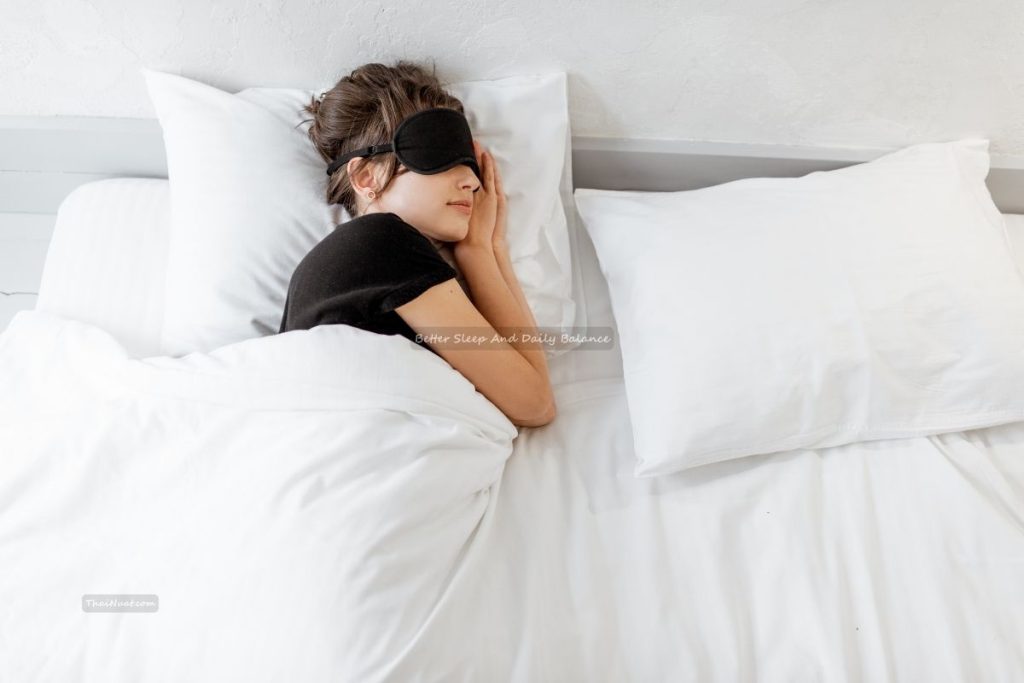
However, wellness habits should not be presented as guaranteed treatments for ongoing sleep disorders. Persistent insomnia, loud snoring, breathing interruptions, severe daytime sleepiness, or sleep problems affecting daily life deserve professional medical assessment.
This guide explains simple lifestyle principles that may support better sleep and daily balance without demanding perfection or an unrealistic daily routine.
👉 “Readers building a relaxing self-care routine may also explore these simple Thai herbal face mask ideas for gentle skincare inspiration.”
Start With A Consistent Wake-Up Time
Many people focus only on bedtime, but wake-up time is also important.
Getting up at approximately the same time each day helps create a more predictable daily rhythm. The body begins to associate morning with light, movement, meals, and activity.
A consistent wake-up time may be more practical than forcing sleep at an exact hour when you are not tired.
Try to avoid large differences between weekdays and weekends. Sleeping much later on free days may make it harder to return to the normal schedule.
For better sleep and daily balance, begin by choosing a wake-up time that suits work, family responsibilities, and realistic morning preparation.
Make Changes Gradually
A sleep routine does not need to change in one night.
Moving bedtime or wake-up time by a small amount may feel easier than making a sudden change of several hours.
Gradual changes can include:
- Going to bed slightly earlier
- Waking slightly earlier
- Moving dinner earlier
- Reducing evening screen use
- Adding a short morning walk
- Beginning relaxation a little sooner
The goal is consistency, not immediate perfection.
A routine that can be followed most days is more useful than a strict plan that is abandoned after a week.
Get Natural Light In The Morning
Morning light helps signal that the active part of the day has begun.
Open curtains soon after waking. Sit near a bright window, have breakfast outside, or take a short walk when conditions are suitable.
Natural outdoor light is generally brighter than ordinary indoor lighting.
Morning light can also encourage a clearer separation between daytime activity and evening rest, which may support better sleep and daily balance.
People living in very hot climates may prefer an early walk before the strongest heat. Even a brief period outdoors can be easier to maintain than a long morning exercise routine.
Create A Calm Beginning To The Day
A rushed morning can set a tense tone for the rest of the day.
A calmer morning might include:
- Drinking water
- Opening the curtains
- Gentle stretching
- Eating a simple breakfast
- Reviewing the day’s priorities
- Avoiding immediate social-media scrolling
- Preparing clothes or bags the night before
This does not mean every morning must feel slow. The aim is to reduce avoidable stress.
Creating a clear and manageable start can contribute to better sleep and daily balance by preventing the day from beginning in a state of constant urgency.
Move Regularly During The Day
Daily movement supports general physical and mental wellness.
Movement does not need to mean intense training. Walking, household tasks, gardening, swimming, cycling, stretching, and light strength exercises can all contribute.
Regular activity may help release physical tension and create a natural difference between daytime activity and nighttime rest.
For a balanced routine:
- Break up long periods of sitting
- Walk short distances when practical
- Stretch after desk work
- Choose movement suited to your ability
- Avoid sudden exercise programs that cause pain
- Allow time for recovery
The best movement plan for better sleep and daily balance is one that can be maintained safely.
Avoid Intense Exercise Too Close To Bedtime
Exercise affects people differently.

Some people can exercise in the evening and sleep comfortably. Others feel alert, hot, or energised for several hours afterward.
Notice your own response.
When vigorous evening exercise makes it difficult to settle down, move the activity earlier or choose gentler movement at night.
Light walking, relaxed mobility exercises, or comfortable stretching may fit an evening routine better than intense training.
Do not perform painful stretches or force joints beyond a comfortable range.
Use Gentle Stretching To Release Daily Tension
Tension commonly collects around the neck, shoulders, back, hips, and legs after work, driving, standing, or prolonged screen use.
A short routine may include:
- Slow shoulder rolls
- Gentle neck movement
- Comfortable upper-back stretching
- Hip and leg mobility
- An easy forward fold without forcing
- Slow ankle and wrist circles
Move gradually and breathe normally.
Stretching should feel mild and controlled. Stop when it causes sharp pain, numbness, dizziness, or worsening discomfort.
Gentle movement may become a useful transition into better sleep and daily balance, especially when it replaces late-night work or constant scrolling.
Build A Clear Evening Transition
Many people move directly from work, entertainment, or household tasks into bed without giving the mind time to slow down.
An evening transition creates a boundary between the active day and the rest period.
It may begin thirty to sixty minutes before bed and include:
- Lowering the lights
- Tidying the sleeping area
- Taking a comfortable shower
- Preparing clothes for morning
- Reading something calming
- Listening to quiet audio
- Practising slow breathing
- Writing down tomorrow’s tasks
The routine should be simple enough to repeat.
Repeating the same sequence can become a reliable signal for better sleep and daily balance.
Reduce Bright Light Before Bed
Bright light can make an evening feel more active.
As bedtime approaches, consider reducing unnecessary lighting and using softer room light where safe.
This does not require sitting in darkness. You still need enough light to move safely, read comfortably, and complete evening tasks.
The goal is to create a visible difference between daytime brightness and nighttime calm.
Closing unnecessary work screens and turning off harsh overhead lights may make the bedroom feel more restful.
Manage Evening Screen Use
Phones, tablets, televisions, and computers can keep the mind engaged through messages, news, games, videos, and work.
The issue is not only the screen itself. Emotional or stimulating content can also make it difficult to disengage.
Helpful approaches include:
- Setting a regular time to stop work
- Charging the phone away from the bed
- Using a separate alarm clock
- Turning off unnecessary notifications
- Avoiding upsetting news before sleep
- Choosing calm audio instead of continuous video
- Keeping the bedroom free from work when possible
A complete digital ban may not be realistic for everyone. Reducing the most stimulating use can still support better sleep and daily balance.
Keep Work Away From The Bed
Working, studying, eating, and answering messages in bed can make the sleeping area feel connected to activity and pressure.
Where space allows, use a separate chair, table, or corner for work.
In a small home, even a simple closing routine can create separation:
- Put the laptop away
- Cover work materials
- Clear the bedside area
- Turn off work notifications
- Change into comfortable sleep clothing
Physical boundaries can help create mental boundaries.
Create A Comfortable Sleep Environment
The bedroom should feel safe, practical, and suitable for rest.
Consider:
- Temperature
- Air movement
- Noise
- Light
- Mattress comfort
- Pillow support
- Bedding
- Cleanliness
- Insects
- Electronic distractions
People have different comfort needs. Some prefer a cooler room, while others sleep better with a fan, light blanket, or gentle background sound.
For better sleep and daily balance, adjust the environment according to personal comfort rather than following one universal setup.
Keep The Room Comfortably Cool
A room that feels excessively hot and humid may make rest difficult.
Options may include:
- Using a fan
- Improving ventilation
- Closing curtains during daytime heat
- Using breathable bedding
- Wearing lightweight sleep clothes
- Adjusting air conditioning to a comfortable level
- Taking a lukewarm shower before bed
Avoid making the room so cold that the body becomes tense or uncomfortable.
The aim is comfortable temperature control, especially in warm climates.
Reduce Unnecessary Noise
Noise can disturb sleep directly or keep the mind alert.
Possible solutions include:
- Closing windows when appropriate
- Moving the bed away from a noisy wall
- Using soft furnishings to reduce echo
- Asking household members to lower evening noise
- Using gentle background sound
- Wearing suitable earplugs when safe
People who need to hear children, alarms, or important household sounds should use noise-reduction methods cautiously.
Make The Room Dark Enough
Streetlights, electronic displays, and early sunlight may disturb some sleepers.
Consider:
- Closing curtains
- Covering bright device lights
- Moving charging equipment
- Using an eye mask
- Keeping phones face down
- Avoiding bright bathroom lights during nighttime waking
The room does not need to be perfectly dark for everyone. Adjust it according to personal comfort and safety.
Choose A Supportive Pillow And Sleep Position
A pillow should support the head and neck in a comfortable position.
The ideal height depends on:
- Sleeping position
- Shoulder width
- Mattress firmness
- Personal comfort
- Existing neck or back problems
A side sleeper may need different support from a back sleeper.
Replace pillows that have become flat, lumpy, or uncomfortable.
Persistent neck, back, hip, or shoulder pain may require advice from an appropriate healthcare professional rather than repeated changes based only on guesswork.
Keep Meals Regular
Meal timing can influence the rhythm of the day.
Eating at reasonably consistent times may help separate morning, afternoon, and evening.
For better sleep and daily balance, aim for meals that are satisfying without creating excessive heaviness late at night.
A balanced evening meal may include:
- Vegetables
- A suitable protein
- Rice or another carbohydrate
- Moderate portions
- Foods that are personally easy to digest
There is no single dinner that guarantees sleep. Choose foods that fit your health needs, culture, and digestion.
Avoid Very Heavy Late-Night Meals
Large meals close to bedtime may cause fullness, reflux, discomfort, or restlessness for some people.
When possible:
- Eat the main evening meal earlier
- Reduce very large portions late at night
- Notice whether oily or spicy foods cause discomfort
- Avoid lying down immediately after eating
- Choose a light snack only when genuinely hungry
Thai food can be light or rich depending on the dish. Clear soups, vegetables, rice, eggs, tofu, fish, or mild stir fries may feel easier for some people than a very heavy meal.
Personal tolerance matters.
Be Thoughtful About Caffeine
Caffeine may be found in:
- Coffee
- Tea
- Energy drinks
- Cola
- Chocolate
- Some medicines
Its effects vary between individuals.
Some people can drink coffee in the afternoon without obvious difficulty. Others remain alert many hours later.
Notice whether late caffeine affects falling asleep, nighttime waking, or morning tiredness.
Moving caffeinated drinks earlier may support better sleep and daily balance without requiring complete avoidance.
Be Cautious With Alcohol As A Sleep Aid
Alcohol may make some people feel sleepy initially, but it can disturb the quality and continuity of sleep later.
It should not be relied upon as a sleep treatment.
Alcohol can also interact with medicines and increase safety risks.
A calming evening routine should focus on habits that support rest without dependence on intoxicating substances.
Stay Hydrated Without Overdrinking Late
Adequate hydration is important, particularly in hot weather.
However, drinking a very large amount immediately before bed may increase nighttime bathroom visits.
A practical approach is to drink regularly during the day and reduce large amounts close to bedtime.
People with medical conditions affecting fluid intake should follow professional guidance.
Use Warm Drinks Carefully
Some people enjoy a warm caffeine-free drink as part of an evening routine.
The warmth and repeated ritual may feel calming.
Options might include warm water or a mild drink that is appropriate for the individual.
Herbal products are not automatically safe. Concentrated herbs may interact with medicine or be unsuitable during pregnancy, for children, or for people with health conditions.
Choose familiar, mild products and avoid exaggerated sleep claims.
Try Slow Breathing
Slow breathing can help shift attention away from busy thoughts and physical tension.
A simple practice is:
- Sit or lie comfortably
- Relax the shoulders
- Breathe in gently
- Breathe out slowly
- Avoid forcing a very deep breath
- Continue for a few minutes
The exact counting pattern matters less than comfort and steadiness.
Stop if the practice causes dizziness, breathlessness, or anxiety.
Combined with dim light and a quiet room, slow breathing may contribute to better sleep and daily balance.
Use A Brief Body-Relaxation Practice
A body scan involves directing attention gradually through different areas of the body.
Begin with the feet and move upward, noticing tension without forcing it away.
You may gently relax:
- Feet
- Calves
- Thighs
- Hips
- Stomach
- Hands
- Arms
- Shoulders
- Jaw
- Forehead
The practice does not need to create immediate sleep. Its purpose is to reduce struggle and encourage calm awareness.
Write Down Tomorrow’s Tasks
Thoughts about unfinished tasks can become louder after the room becomes quiet.
Before bed, write down:
- Important tasks
- Appointments
- Items to bring
- People to contact
- One or two priorities
This can reduce the need to rehearse everything mentally.
Keep the list short. Turning bedtime into a long planning session may create more stimulation rather than less.
Give Worries A Separate Time
When worry repeatedly appears at night, setting aside a brief period earlier in the evening may help.
During that time:
- Write down the concern
- Separate what can and cannot be controlled
- Choose one practical next step
- Leave unresolved issues for the next day
This method does not remove difficult problems, but it can create a boundary between problem-solving and rest.
Persistent anxiety or distress deserves support from a qualified professional.
Use Thai Massage As Part Of Relaxation Carefully
Traditional Thai massage may be included in a general wellness routine when provided by a suitably trained practitioner.
Some people find that comfortable pressure, gentle movement, and a calm setting help them unwind.
However, massage should not be painful or treated as a guaranteed cure for sleep problems.
Tell the practitioner about:
- Injuries
- Painful areas
- Pregnancy
- Surgery
- Health conditions
- Medicines affecting bleeding
- Pressure preferences
For better sleep and daily balance, choose relaxation-oriented sessions rather than assuming stronger pressure is always more effective.
Consider A Warm Herbal Compress For Comfort
A properly prepared herbal compress combines warmth, moisture, aroma, and gentle pressure.
It may feel relaxing around tense shoulders, back muscles, arms, or legs.
Safety matters:
- Check the temperature carefully
- Do not apply to broken skin
- Avoid numb areas
- Do not use excessive pressure
- Stop if the skin becomes painful
- Seek professional guidance when health conditions are present
A compress may be part of a calming wellness experience, but it should not replace medical care for persistent pain or sleep difficulties.
Use Baths And Showers As An Evening Signal
A comfortable shower or bath can become part of the evening transition.
The benefit may come from:
- A repeated routine
- Physical comfort
- Removing the feeling of daytime heat
- Changing into clean sleep clothing
- Moving away from screens and work
Water should be comfortably warm rather than extremely hot.
Very hot baths may cause dizziness or discomfort, particularly in warm climates.
Spend Time Outdoors During The Day
Daytime outdoor activity can support movement, light exposure, and a clearer sense of daily rhythm.
Options include:
- A morning walk
- Gardening
- Visiting a park
- Eating lunch outdoors
- Walking to nearby shops
- Light family activities
Choose suitable times in hot weather and protect yourself from strong sun.
A day that includes light and movement may support a calmer evening and better sleep and daily balance.
Include Short Recovery Breaks
Daily balance is not created only at bedtime.
Small recovery periods during the day may prevent tension from building until evening.
A short break might include:
- Standing and stretching
- Drinking water
- Looking away from a screen
- Taking several calm breaths
- Walking briefly
- Sitting quietly
- Stepping outside
Breaks do not need to be long to be useful.
Scheduling them before exhaustion develops may make the evening feel less overwhelming.
Avoid Filling Every Hour
Constant productivity can make rest feel uncomfortable or undeserved.
A balanced schedule needs space for:
- Meals
- Travel time
- Family needs
- Unexpected delays
- Relaxation
- Sleep
- Simple enjoyment
Leaving some unscheduled time can reduce pressure and support better sleep and daily balance.
Rest is not a reward that must be earned after every task is completed.
Keep Naps Short And Purposeful
Naps affect people differently.
A short nap may restore energy, while a long or late nap may make nighttime sleep more difficult.
When naps interfere with bedtime:
- Move them earlier
- Keep them shorter
- Use light movement instead
- Review the cause of daytime tiredness
Severe or persistent daytime sleepiness should be discussed with a healthcare professional, especially when it affects driving, work, school, or safety.
Respond Calmly To A Poor Night
One poor night does not mean the entire routine has failed.
After difficult sleep:
- Get up near the usual time
- Seek morning light
- Eat regular meals
- Move gently
- Avoid excessive caffeine
- Keep the next evening calm
- Return to the normal routine
Trying to compensate with a very long lie-in may make the next night harder.
Consistency supports better sleep and daily balance more effectively than reacting dramatically to every difficult night.
Avoid Watching The Clock Repeatedly
Repeatedly checking the time can increase frustration.
Consider turning the clock away while keeping alarms functional.
Instead of calculating how many hours remain, focus on resting comfortably and reducing stimulation.
The aim is not to force sleep through effort. Trying too hard can make the mind more alert.
Get Out Of Bed When You Cannot Settle
When you remain fully awake and frustrated for a long period, it may help to leave the bed briefly.
Choose a quiet, low-light activity such as calm reading or sitting comfortably.
Return to bed when you feel sleepier.
Avoid beginning work, eating a heavy meal, or using highly stimulating entertainment.
This can help keep the bed associated with rest rather than prolonged worry.
Make The Routine Suitable For Family Life
Parents and caregivers may not control every part of their schedule.
Children may wake, household tasks may continue late, and family routines may change.
A realistic family approach could include:
- Preparing morning items early
- Sharing evening responsibilities
- Creating quieter household periods
- Keeping children’s routines predictable
- Reducing unnecessary late tasks
- Accepting that some nights will be disrupted
For families, better sleep and daily balance often depends on cooperation rather than one person trying to create a perfect routine alone.
Adapt Habits For Shift Work
Shift work can make regular sleep more difficult.
Helpful strategies may include:
- Keeping sleep timing as consistent as the schedule allows
- Using curtains or an eye mask for daytime sleep
- Reducing household noise
- Planning caffeine carefully
- Eating suitable meals
- Creating a wind-down routine after work
- Using bright light during the active period
- Discussing ongoing difficulties with a professional
Shift workers should avoid judging their routine by ordinary daytime schedules.
Notice The Difference Between Tiredness And Sleepiness
Tiredness may mean low energy, stress, physical fatigue, or emotional exhaustion.
Sleepiness means a strong tendency to fall asleep.
A person can feel exhausted without feeling sleepy.
When this happens, relaxation, food, hydration, movement, or a break may help more than going to bed unusually early.
Understanding this difference may make routines for better sleep and daily balance more effective.
Review Habits Without Blaming Yourself
Sleep can be affected by stress, pain, illness, medication, environment, family duties, work schedules, and many other factors.
Lifestyle habits are only one part of the picture.
Avoid treating every difficult night as a personal failure.
A simple weekly review can ask:
- Was my wake-up time consistent?
- Did I get morning light?
- Did I move during the day?
- Was caffeine too late?
- Did I create an evening transition?
- Was the room comfortable?
- Did stress or pain interfere?
Use the answers to make one small adjustment.
Signs That Professional Help May Be Needed
Seek qualified advice when sleep problems are persistent, worsening, or significantly affecting daily life.
Important concerns may include:
- Regular difficulty falling asleep
- Repeated waking for long periods
- Loud snoring
- Gasping or breathing interruptions
- Severe daytime sleepiness
- Falling asleep while driving
- Persistent morning headaches
- Uncomfortable leg sensations at night
- Ongoing pain
- Sleep problems linked to anxiety or low mood
- Dependence on substances or unprescribed products for sleep
Wellness routines can support general health, but they should not delay appropriate assessment.
Common Mistakes To Avoid
Changing Everything At Once
Too many changes are difficult to maintain. Begin with one or two habits.
Going To Bed Before Feeling Sleepy
Spending extra time awake in bed may increase frustration.
Using The Phone As The Main Relaxation Tool
Endless scrolling often creates more stimulation than rest.
Exercising Intensely Late At Night
This may keep some people alert. Observe your response.
Eating A Very Heavy Meal Before Bed
This can create discomfort for some people.
Depending On Alcohol Or Unverified Sleep Products
These approaches may create new risks without addressing the underlying issue.
Expecting Immediate Results
Routines often need repetition before they feel natural.
Avoiding these mistakes can make efforts toward better sleep and daily balance more realistic.
A Simple Daily Routine
A practical routine might look like this:
Morning
Wake at a consistent time, open the curtains, drink water, and get some natural light.
Daytime
Move regularly, eat balanced meals, take short breaks, and use caffeine thoughtfully.
Late afternoon
Finish demanding tasks where possible and avoid carrying unnecessary work into the night.
Evening
Eat a comfortable meal, reduce stimulation, prepare for tomorrow, and use gentle stretching or relaxation.
Before bed
Lower the lights, put away work, keep the room comfortable, and choose a quiet activity.
This structure supports better sleep and daily balance without requiring a complicated wellness schedule.
A Simple Evening Routine
An easy evening sequence may include:
- Finish work
- Prepare tomorrow’s essentials
- Lower the room lighting
- Take a comfortable shower
- Stretch gently
- Write down important tasks
- Put the phone away
- Read or breathe quietly
- Go to bed when sleepy
Choose only the steps that fit your life.
The routine should make the evening easier, not become another demanding checklist.
👉 “Readers working toward better sleep and daily balance may also explore these practical self-care ideas for supporting mental wellbeing.”
Conclusion
Supporting better sleep and daily balance often begins with ordinary habits rather than dramatic changes.
A consistent wake-up time, morning light, regular movement, balanced meals, thoughtful caffeine timing, and a calmer evening can help create a clearer daily rhythm.
The bedroom should feel comfortable, reasonably quiet, suitably dark, and free from unnecessary work or stimulation. Pillows, bedding, temperature, and air movement should match personal comfort.
Gentle stretching, slow breathing, warm bathing, relaxation-focused Thai massage, and safely applied herbal compresses may help some people unwind. These practices should feel comfortable and should not be treated as guaranteed medical treatments.
Daytime habits matter as much as the final minutes before bed. Short recovery breaks, manageable schedules, outdoor light, and realistic expectations can all contribute to better sleep and daily balance.
Avoid trying to perfect every part of the routine at once. Choose one or two practical changes and repeat them consistently.
Persistent sleep difficulties, breathing interruptions, severe daytime sleepiness, ongoing pain, or symptoms affecting safety require qualified professional assessment.
The goal is not to force perfect sleep every night. It is to create a lifestyle that gives the body and mind regular opportunities for activity, relaxation, recovery, and rest.
FAQ
What Is The Best First Habit For Better Sleep?
A consistent wake-up time is a practical place to begin because it helps create a regular daily rhythm.
Can Morning Light Support Sleep?
Morning daylight helps signal the start of the active part of the day and may support a clearer difference between daytime and nighttime.
Should I Avoid All Screens Before Bed?
Complete avoidance may not be realistic. Reducing stimulating content, work, bright light, and constant notifications may still help.
Is Evening Exercise Bad For Sleep?
Not always. Some people sleep well after evening exercise, while others feel too alert. Adjust the timing according to your response.
Can Thai Massage Help Me Relax Before Bed?
A comfortable, relaxation-focused massage may help some people unwind, but it is not a guaranteed treatment for sleep disorders.
Are Herbal Sleep Products Always Safe?
No. Herbal products can cause side effects or interact with medicines. Check ingredients and seek professional advice when appropriate.
What Should I Do After A Poor Night Of Sleep?
Return to the usual routine, get morning light, move gently, and avoid making large schedule changes.
Should I Stay In Bed When I Cannot Sleep?
When you remain fully awake and frustrated for a long time, a brief quiet activity outside the bed may help until you feel sleepier.
When Should I Seek Professional Help?
Seek advice when sleep problems persist, affect daily functioning, involve severe sleepiness, or include loud snoring and breathing interruptions.
How Long Should An Evening Routine Be?
It does not need to be long. A repeatable routine of around twenty to sixty minutes may be more useful than a complicated plan.