


- Introduction:
- Why Lemongrass, Ginger And Turmeric Work Well Together
- Lemongrass For Freshness And Relaxation
- Ginger For Warmth And Comfort
- Turmeric For Herbal Wellness Routines
- Simple Herbal Tea With Lemongrass, Ginger And Turmeric
- Herbal Steam Ideas For A Relaxing Home Routine
- Using These Herbs In Everyday Food
- Thai-Inspired Compress Ideas
- How To Choose Good Quality Ingredients
- Safety Tips Before Using Herbal Remedies
- How To Build A Simple Herbal Wellness Routine
- Common Mistakes To Avoid
- Conclusion
- FAQ
- What are simple Healing Ideas With Lemongrass Ginger And Turmeric?
- Can beginners use lemongrass, ginger and turmeric together?
- How do I make lemongrass, ginger and turmeric tea?
- Can I use turmeric powder instead of fresh turmeric?
- Are lemongrass, ginger and turmeric safe for everyone?
- Can these herbs replace medical treatment?
- How often should I use these herbs?
- Can I use these herbs in Thai massage or spa routines?
Introduction:
Healing Ideas With Lemongrass Ginger And Turmeric can be a simple way to bring natural wellness habits into everyday life. These three ingredients are often used in Thai-inspired wellness routines, herbal drinks, home remedies, massage care, and traditional natural health practices.
Lemongrass is known for its fresh citrus aroma, ginger is warming and comforting, and turmeric is often used in herbal wellness for its earthy flavor and bright golden color. Together, they can be used in teas, steam blends, simple meals, warm compress ideas, and relaxing self-care routines.
This guide shares beginner-friendly Healing Ideas With Lemongrass Ginger And Turmeric, including practical uses, simple preparation tips, safety reminders, and easy ways to include these herbs in a balanced wellness routine.
👉 “For more calming herbal wellness ideas, readers may also find these Easy Thai Herbal Remedies For Relaxation And Stress Relief.”
Why Lemongrass, Ginger And Turmeric Work Well Together
Lemongrass, ginger, and turmeric are popular in many natural wellness traditions because they each bring something different. Lemongrass has a light, refreshing scent. Ginger adds warmth and a slightly spicy taste. Turmeric gives an earthy flavor and is often used in traditional herbal care.
When combined, these ingredients can feel both refreshing and grounding. A warm drink made with all three can be comforting during a busy day. A steam blend can create a relaxing herbal aroma. A food recipe with these ingredients can add flavor while supporting a more natural lifestyle.
The goal is not to treat these herbs as a cure for serious health problems. Instead, they can be used as part of a gentle wellness routine that supports relaxation, comfort, and mindful self-care.
Lemongrass For Freshness And Relaxation
Lemongrass is one of the most familiar herbs in Thai cooking and wellness. It has a fresh citrus-like smell and is often used in soups, teas, herbal steam, and spa treatments. Its clean aroma can make a room feel calmer and more refreshing.
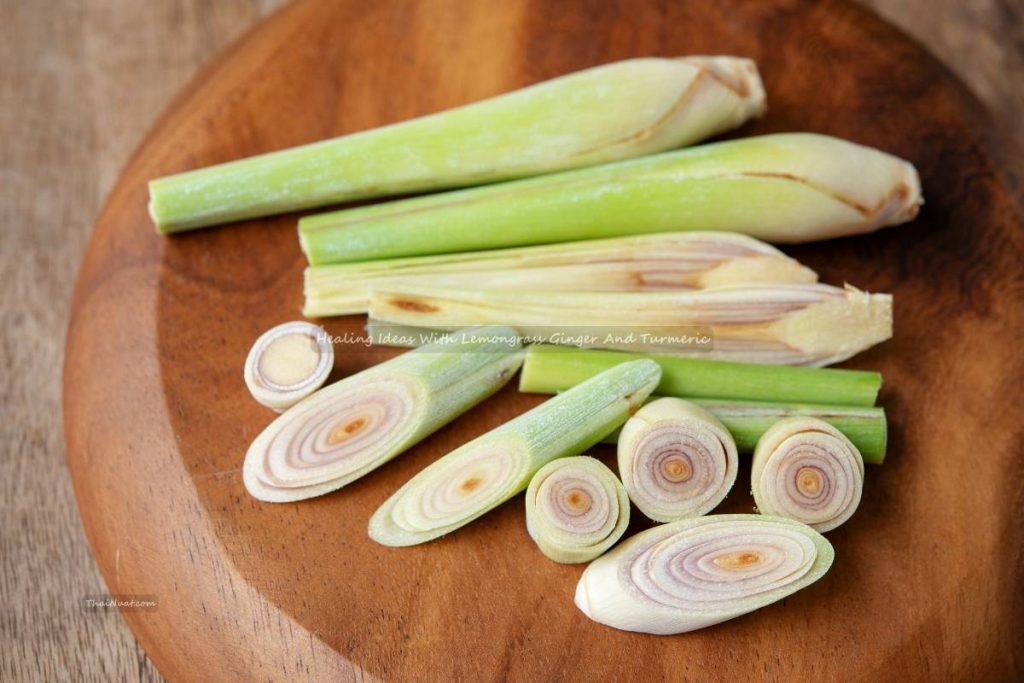
One easy way to use lemongrass is in tea. Cut fresh lemongrass into small pieces, gently bruise the stalks, and simmer them in hot water for several minutes. You can drink it plain or combine it with ginger and turmeric for a stronger herbal drink.
Lemongrass can also be used in a simple steam bowl. Add chopped lemongrass to hot water, allow the aroma to rise, and use it as part of a calming home routine. Be careful with steam and hot water, especially around children.
Ginger For Warmth And Comfort
Ginger is a warming ingredient that is used in many Asian kitchens and natural wellness routines. It has a spicy, slightly sweet flavor and works well in teas, soups, stir-fries, and warm drinks.
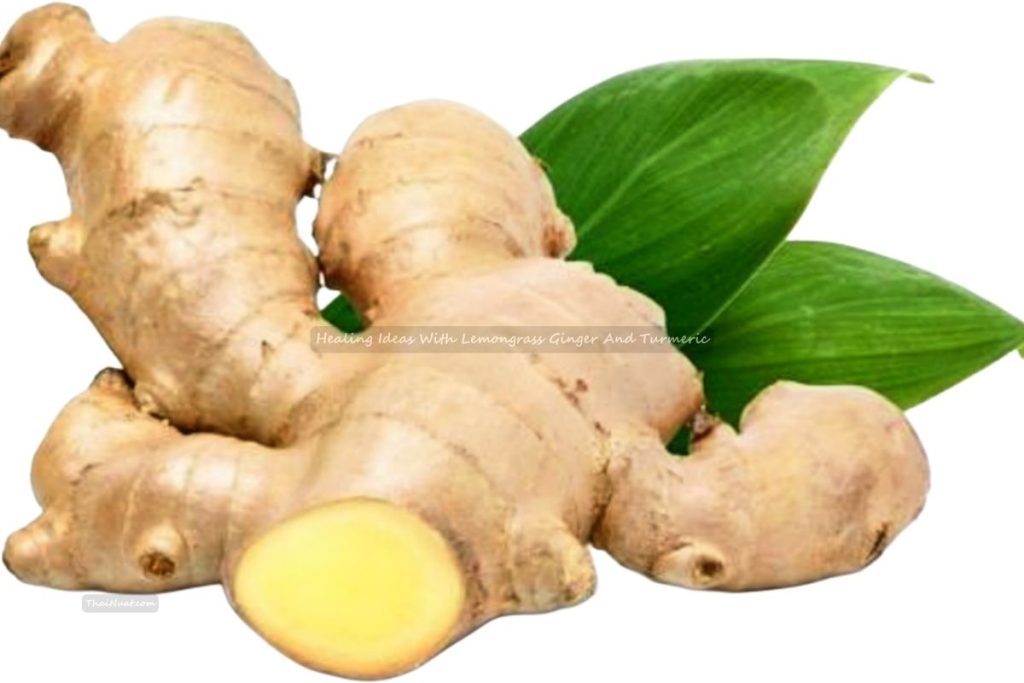
For a simple ginger drink, slice fresh ginger and simmer it in water for 5 to 10 minutes. Add lemongrass for freshness or turmeric for a deeper herbal flavor. A small amount of honey or lime can make the drink smoother, but it is best to keep it simple if you want a lighter wellness drink.
Ginger is strong, so beginners should start with a small amount. Too much ginger can feel sharp or warming in the stomach. People who take medication, have certain health conditions, or are pregnant should ask a healthcare professional before using ginger regularly as a wellness remedy.
Turmeric For Herbal Wellness Routines
Turmeric is known for its golden color and earthy taste. It is often used in curries, herbal drinks, wellness recipes, and traditional natural care routines. In Thai and Asian cooking, turmeric can add color, depth, and a warm herbal note.
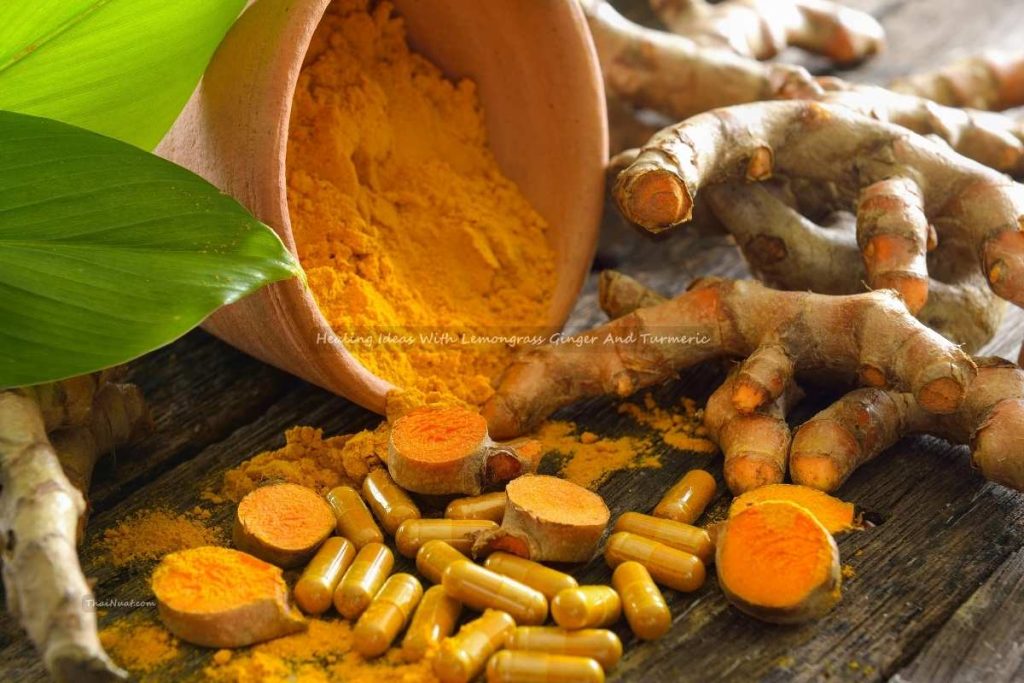
Turmeric works well with ginger because both have warming qualities. It also pairs nicely with lemongrass because lemongrass makes the flavor lighter and fresher. Together, they can create a balanced herbal drink or cooking base.
When using turmeric, be careful with stains. Fresh turmeric and turmeric powder can stain hands, clothes, cutting boards, and countertops. Use a separate cutting board or wash surfaces quickly after preparation.
Simple Herbal Tea With Lemongrass, Ginger And Turmeric
One of the easiest Healing Ideas With Lemongrass Ginger And Turmeric is a simple herbal tea. This is a good starting point for beginners because it uses basic ingredients and does not require special equipment.
To make a simple tea, use:
- 1 stalk of fresh lemongrass, chopped and lightly bruised
- 3 to 5 thin slices of fresh ginger
- 1 small slice of fresh turmeric or 1/4 teaspoon turmeric powder
- 2 cups of water
- Optional: lime or honey
Simmer the lemongrass, ginger, and turmeric in water for about 10 minutes. Strain the drink and let it cool slightly before drinking. Add a little lime or honey if you prefer a softer taste.
This tea can be enjoyed as part of a calm evening routine, after a meal, or during a quiet break. Start with a mild version first, then adjust the flavor slowly.
Herbal Steam Ideas For A Relaxing Home Routine
Lemongrass, ginger, and turmeric can also be used in a simple herbal steam routine. This can create a warm, spa-like feeling at home, especially when you want to relax after a long day.
Add chopped lemongrass and a few slices of ginger to a bowl of hot water. You can add a small piece of turmeric, but use it carefully because turmeric may stain towels or surfaces. Let the herbs release their aroma, then sit nearby and breathe comfortably.
Do not place your face too close to hot steam. Avoid steam treatments if you feel dizzy, have breathing problems, or are sensitive to heat. Herbal steam should feel gentle and relaxing, not uncomfortable.
Using These Herbs In Everyday Food
Natural wellness does not always need to come from teas or remedies. Lemongrass, ginger, and turmeric can also be added to everyday meals. This is often the most practical way to use herbs regularly.
Lemongrass can be used in soups, broths, and marinades. Ginger works well in stir-fries, rice dishes, soups, and warm drinks. Turmeric can be added to curry, vegetable dishes, rice, eggs, smoothies, or golden milk-style drinks.
If you are new to these ingredients, start with small amounts. Strong herbal flavors can easily become too intense. A balanced recipe should taste pleasant and natural, not overpowering.
Thai-Inspired Compress Ideas
Thai herbal compresses often use aromatic herbs to create warmth, scent, and comfort. Lemongrass, ginger, and turmeric may be included in Thai-inspired compress ideas because they bring fresh, warming, and earthy qualities.
For a very simple home version, you can wrap clean chopped herbs in cotton cloth and warm the bundle gently with steam. The compress should be warm, not hot, before touching the skin. Always test the temperature first.
Do not use a warm compress on broken skin, burns, swelling that needs medical care, or areas with reduced feeling. If you have health concerns, ask a qualified practitioner before using herbal compresses.
How To Choose Good Quality Ingredients
Good ingredients make a big difference. Choose lemongrass that smells fresh and has firm stalks. Choose ginger that feels firm, not soft or dry. Choose turmeric that is bright and fresh if using the root, or a good-quality powder if fresh turmeric is not available.
Wash fresh herbs well before use. Store lemongrass and ginger in the refrigerator, and keep turmeric powder in a dry container away from heat and sunlight.
If possible, buy from trusted shops or markets. Avoid herbs that look moldy, smell strange, or feel too soft. Fresh, clean ingredients are important for safe herbal routines.
Safety Tips Before Using Herbal Remedies
Even natural ingredients should be used carefully. Lemongrass, ginger, and turmeric are common food ingredients, but using them in large amounts or as strong remedies may not be suitable for everyone.
Speak with a healthcare professional if you are pregnant, breastfeeding, taking medication, preparing for surgery, or managing a medical condition. Ginger and turmeric may not be suitable for some people in high amounts, especially when used regularly as supplements or strong herbal drinks.
Also be careful with children. Herbal drinks for children should be mild, food-based, and used with guidance from a qualified professional when needed.
How To Build A Simple Herbal Wellness Routine
The best way to use Healing Ideas With Lemongrass Ginger And Turmeric is to start small. You do not need to use all three ingredients every day. Choose one simple habit and see how it fits your lifestyle.
For example, you can drink lemongrass tea once or twice a week, add ginger to soup, or use turmeric in a family meal. You can also enjoy a gentle herbal steam routine when you want to relax.
Natural wellness works best when it is simple, safe, and consistent. Avoid extreme routines or strong mixtures. Focus on balance, comfort, and habits you can maintain.
Common Mistakes To Avoid
One common mistake is using too much of each ingredient. Lemongrass, ginger, and turmeric all have strong flavors, so small amounts are usually enough. Another mistake is expecting quick results from herbal routines. Natural wellness habits are usually gradual and supportive.
It is also important not to replace medical care with home remedies. If you have pain, illness, inflammation, digestive problems, or long-term symptoms, speak with a healthcare professional instead of relying only on herbs.
Finally, avoid using low-quality products or unknown herbal blends. Simple fresh ingredients are often better for beginners than complicated products with unclear labels.
👉 “For more simple home wellness ideas, you can also explore these Top 10 Thai Herbal Remedies for Natural Healing at Home.”
Conclusion
Healing Ideas With Lemongrass Ginger And Turmeric can help beginners explore natural wellness in a simple and practical way. These herbs can be used in teas, meals, steam routines, and Thai-inspired self-care practices to create a more calming and balanced daily routine.
The key is to use them safely and gently. Start with small amounts, choose good-quality ingredients, pay attention to how your body responds, and ask a healthcare professional if you have any health concerns or take medication.
With a careful and balanced approach, lemongrass, ginger, and turmeric can become useful ingredients in everyday natural wellness. They are simple, flexible, and easy to include in a healthy lifestyle without making your routine complicated.
FAQ
What are simple Healing Ideas With Lemongrass Ginger And Turmeric?
Simple ideas include herbal tea, warm drinks, Thai-inspired soups, herbal steam routines, gentle compress ideas, and adding these herbs to everyday meals.
Can beginners use lemongrass, ginger and turmeric together?
Yes, beginners can use them together in small amounts. A mild tea or simple soup is a good starting point.
How do I make lemongrass, ginger and turmeric tea?
Simmer chopped lemongrass, sliced ginger, and a small amount of turmeric in water for about 10 minutes. Strain before drinking and add lime or honey if desired.
Can I use turmeric powder instead of fresh turmeric?
Yes, turmeric powder can be used, but start with a small amount because the flavor and color can be strong.
Are lemongrass, ginger and turmeric safe for everyone?
They are common food ingredients, but they may not be suitable for everyone in large amounts. People who are pregnant, breastfeeding, taking medication, or managing health conditions should ask a healthcare professional.
Can these herbs replace medical treatment?
No. These herbs can support a wellness routine, but they should not replace professional medical treatment for health problems.
How often should I use these herbs?
Start slowly, such as once or twice a week, and adjust based on your taste, comfort, and personal needs.
Can I use these herbs in Thai massage or spa routines?
They can be part of Thai-inspired spa routines, herbal steam, or compress ideas, but they should be used safely and with care, especially on the skin.